


Summary
Cleaning a garage floor starts with clearing the space, sweeping, and pre-treating oil, rust and fluid stains before you wash the whole surface with a pressure washer, mop or scrub brush. Bare concrete, epoxy coatings and plastic tiles each need different cleaners, and winter road salt calls for prompt rinsing to prevent surface damage. Sealing the slab once it's fully dry makes future cleanups faster and keeps new stains from soaking in.
Why a Clean Garage Floor Lasts Longer and Keeps Your Home Cleaner
Garage floors take more abuse than any other surface in your home. Cars drip engine oil and coolant, tires drag in road salt and mud, and metal tools leave rust rings on the concrete. Learning how to clean garage floor concrete the right way keeps that grime from soaking in and becoming permanent.
Regular cleaning also protects the slab from wear and keeps it safer to walk on. Oil spots are slippery, salt residue slowly pits the surface, and you'll track less dirt into the house.
If you're planning an upgrade such as sealing, painting or an epoxy coating, a thorough cleaning is the first step of prep. Coatings won't bond to a dusty, oily surface.
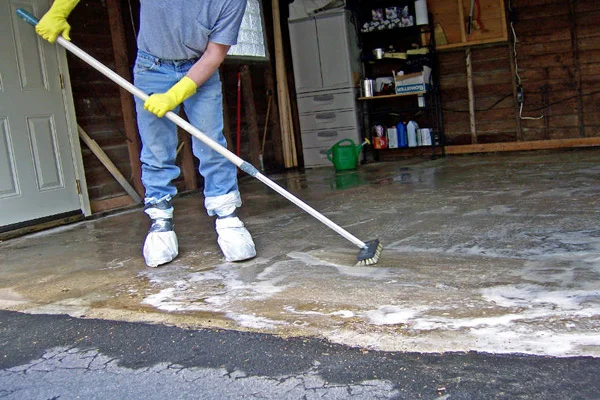
Seven Simple Steps to Wash Your Garage Floor From Start to Finish
Order matters when you're learning how to clean a garage concrete floor. Follow this sequence and you won't spread stains around or wash the same area twice.
- Move everything out, then cover outlets and lower drywall with plastic.
- Sweep out loose dirt, leaves and dust.
- Pre-treat rust, oil and fluid stains.
- Spread a cleaner or degreaser across the floor and let it sit for 5 to 10 minutes.
- Scrub with a stiff brush or floor buffer, or use a pressure washer.
- Rinse from the back wall toward the door.
- Squeegee any puddles and let the concrete dry completely.
Quick Tip
Treat stains before you wash the whole floor. Soap and water alone spread oil around instead of lifting it out.
Tools, Cleaners and Degreasers That Work Best on Garage Concrete
Deciding what to use to clean garage floor grime comes down to the type of mess and the finish on your slab. Cement is an ingredient in concrete, so if you're looking up how to clean cement garage floor surfaces, the same tools apply.
- Push broom or leaf blower
- Stiff nylon scrub brush or deck brush
- Squeegee and wet/dry vacuum
- Clay cat litter or another absorbent
- Gloves, safety glasses and rubber boots
Homemade Mixes vs. Store-Bought Cleaners for Garage Floor Stains
Homemade solutions are cheap and gentle enough for routine upkeep, while commercial products break down set-in stains faster. Cleaning concrete garage floor stains usually calls for one of these options.
- Dish soap and hot water for light grease and everyday grime
- Baking soda paste for fresh oil spots and battery acid
- White vinegar for rust and salt residue; rinse well, since acid etches concrete over time
- Garage floor degreaser for engine oil and transmission fluid
- Enzyme cleaner for oil that has soaked deep into the pores
Ventilate the garage while you work with any commercial product. Never mix bleach with ammonia or acids, because the combination releases toxic gas.
Getting Started: Clearing and Prepping Your Garage Before Cleaning
Before you start, remove everything that isn't permanent, including cars, bikes, trash, tools and boxes. Shelved items can stay put if they sit high enough to stay dry.
Next, tape plastic over drywall and outlets. Then sweep with a push broom, or use a leaf blower to clear a dusty garage floor in minutes.
Removing Rust Stains From Your Garage Floor With Everyday Acids
Scrape away any solid rust flakes to expose the stain underneath. Then pour undiluted white vinegar or lemon juice on the spot and let it sit for 15 minutes.
Scrub hard with a stiff brush and rinse with cool water. If the mark hangs on, use a commercial rust remover and follow the label directions.
Removing Engine Oil Stains From Your Concrete Garage Floor
Oil stains are the most common garage floor problem, since that's where vehicles park and drip. They're not just ugly; they're also a slipping hazard.
To clean car oil off garage floor concrete, cover the spot with clay cat litter, grind it in with your shoe and let it sit overnight. Sweep up the litter, apply a degreaser or grease-cutting dish soap, then scrub and rinse.
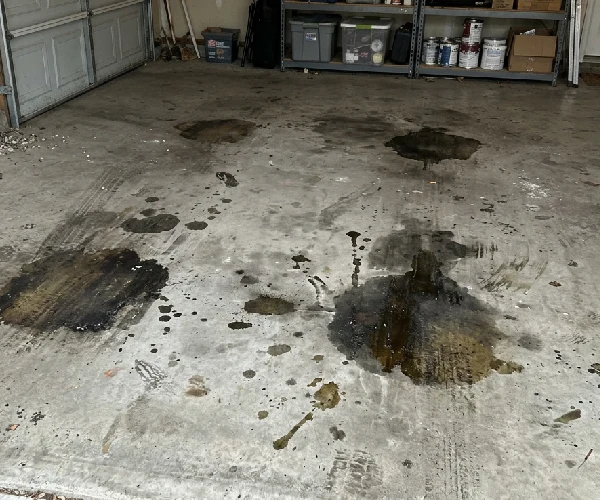
Lifting Deep-Set Oil From Concrete Without a Pressure Washer
Old stains need a poultice, which pulls oil out of the pores while it sits. You won't need any power equipment.
- Mix baking soda or diatomaceous earth with a degreaser into a thick paste.
- Spread it about ¼ inch thick over the stain.
- Cover it with plastic wrap and tape down the edges.
- After 24 hours, scrape off the dried paste, scrub, and repeat if a shadow remains.
Cleaning Up Antifreeze, Brake Fluid and Battery Acid Spills Safely
Engine oil isn't the only fluid your car leaves behind. Some spills are toxic or corrosive, so put on gloves and deal with them right away.
| Fluid | Why It Matters | How to Clean It |
|---|---|---|
| Antifreeze and coolant | Its sweet taste attracts pets and kids, and small amounts are poisonous. | Soak it up with litter, scrub with soapy water and rinse. Bag the waste for hazardous waste disposal. |
| Brake fluid | It acts as a solvent and can soften paint and floor coatings. | Blot it immediately, then wash the spot with detergent and water. |
| Battery acid | Sulfuric acid etches concrete and burns skin. | Sprinkle baking soda until the fizzing stops, then wipe and rinse. Wear eye protection. |
Paint drips call for a stripper rather than a degreaser. When you need to remove paint from garage floor concrete, pick a method that won't damage the surface.
Pressure Washing Your Garage Floor for a Deep, Even Clean
Once you've treated problem spots, power washing a garage floor brings the whole surface back to an even finish. Apply your cleaner with the low-pressure soap nozzle and let it sit a few minutes.
For pressure washing garage floor concrete, a 2,500 to 3,000 PSI unit with a 25-degree nozzle handles most jobs. Hold the wand 8 to 12 inches away and keep it moving so you don't etch lines into the slab. Rinse from the back wall toward the door, pushing dirty water outside.
Safety Considerations for Pressure Washing a Garage Floor
High-pressure spray can cut skin and injure eyes. Keep kids and pets inside, wear safety glasses and boots, and cover nearby plants with a tarp.
If you're using a gas-powered unit, keep the engine outside and leave your garage door wide open. Exhaust carries carbon monoxide, which builds up fast in an enclosed space.
Other Ways to Clean a Concrete Garage Floor Without a Pressure Washer
A pressure washer is fast, but you don't need one. Here's how to clean garage floor without pressure washer equipment: work in small sections with a deck brush, a bucket of solution and some elbow grease.
You can also mop garage floor concrete for light dirt, or rent a floor buffer for stubborn grime. A buffer scrubs with far more power than hand scrubbing, one section at a time.
Comparing Pressure Washers, Scrub Brushes, Mops and Floor Buffers
The best way to clean a garage floor depends on how dirty it is and how much time you have. Here's how the main methods compare.
| Method | Best For | Downsides |
|---|---|---|
| Pressure washer | Heavy grime and prep before a coating | Needs a runoff plan; too much pressure etches concrete |
| Scrub brush | Spot stains and floors without a drain | Slow on big areas |
| Mop | Dust, light dirt and coated floors | Won't lift set-in stains |
| Floor buffer | Stubborn grime on large bare floors | Rental cost and a heavy machine |
Managing Dirty Rinse Water and Chemicals in a Garage Without a Drain
Most residential garages have no floor drain, so plan for runoff before you start. Storm drains carry water straight to streams and lakes without treatment, and many cities prohibit washing oily or soapy water into them.
- Squeegee dirty water into one spot and pick it up with a wet/dry vacuum.
- Pour water holding only mild detergent into a utility sink or toilet, after checking local rules.
- Take used litter, oily sludge and antifreeze to a household hazardous waste site.
For a garage floor without drain access, scrubbing and vacuuming small sections keeps runoff to a minimum. It also stops the solution from drying on the slab.
Clean Garage Floors Made Easy: Drying and Moving Your Things Back
Let the floor air dry, or speed things up with towels, box fans and an open door. Bare concrete usually dries in a few hours, though cool or humid weather can stretch that to a full day.
Part of knowing how to clean the garage floor is keeping clutter off it. As you move things back in, toss anything broken or rarely used.
Sealing Your Garage Floor After Cleaning to Keep Stains From Setting
A freshly cleaned slab is the perfect canvas for a sealer, which fills the pores so oil, salt and water sit on top instead of soaking in. This guide to sealing concrete garage floor surfaces covers each step.
Let the concrete dry for 24 to 48 hours and patch any cracks first. For a tougher finish, choose a polyaspartic floor coating; it cures faster than epoxy, resists UV yellowing and often handles vehicle traffic within a day or two.
Caring for Epoxy Garage Floors So the Glossy Finish Stays Bright
Coated floors are easier to keep clean, but the wrong products leave them dull and hazy. Knowing how to clean epoxy garage floor coatings comes down to gentle tools and a simple solution.
- Dust mop weekly with a microfiber pad to remove grit that scratches.
- Wash with a hard foam mop and ½ cup clear ammonia per gallon of hot water.
- Skip vinegar, citrus and soap-based cleaners, which dull the gloss or leave a film.
- Never use steel wool or abrasive pads.
To maintain garage floor coatings for years, wipe up fluid spills quickly and set plywood under jack stands. The same routine works on polyaspartic floors.
Cleaning Garage Floor Mats and Plastic Garage Floor Tiles
A garage floor mat keeps the concrete cleaner, but it takes all the abuse from oil, mud and snow. Sweep, mop or hose off rubber and vinyl mats, then squeegee them dry; shake out fabric mats outdoors before hosing them down.
Plastic garage floor tiles trap dirt both on top and underneath, so pull up a few each season to rinse the slab below. Skip steam cleaners on mats and tiles, since heat can warp them.
Clearing Road Salt and Winter Brine Off Your Garage Floor
Road salt rides into your garage on every tire and boot in winter. The brine soaks into concrete pores, and repeated freeze-thaw cycles turn that moisture into flaking, pitting and crusty white stains.
- Lay a containment mat under each vehicle to trap snowmelt.
- Squeegee meltwater out every few days instead of letting it evaporate and leave salt behind.
- Mop with warm water and a salt neutralizer, and skip the pressure washer in freezing weather.
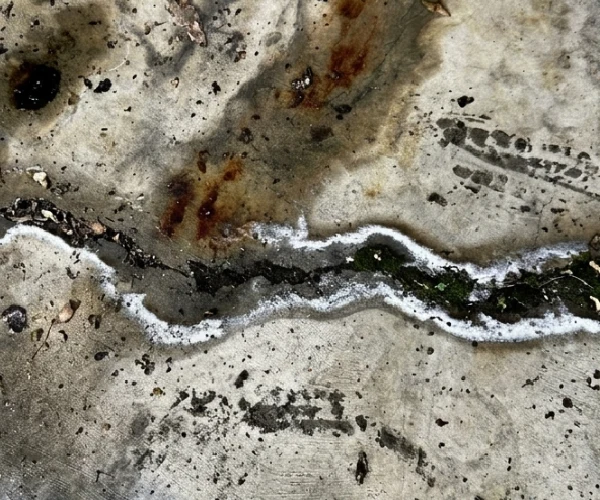
After winter, give a dirty concrete garage floor a full wash once temperatures stay above freezing. Look for scaling or new cracks while you're at it; early garage floor crack repair keeps small damage from spreading.
Keep Your Garage Floor Cleaner, Longer With a Few Simple Habits
A little upkeep stretches the results of every deep clean. Keep metal cans off bare concrete, cover fresh drips with cat litter right away and sweep out leaves weekly. Plan to wash garage floor surfaces two to four times a year, including once after the snow melts.
When your garage floor is cracked, sinking or worn out, scrubbing won't fix it, but a new garage will. Feldco has built over 100,000 garages for homeowners across Illinois, Wisconsin, Indiana and Iowa. As the Midwest's #1 home exterior company since 1976, we bring 50 years of trusted service to every project. Talk with a specialist and get a free quote today.
FAQs
How long does a garage floor need to dry after washing?
Bare concrete usually feels dry in 2 to 6 hours with good airflow, but moisture deep in the slab takes longer to escape. Wait at least 24 to 48 hours before applying any sealer or coating.
Is it a problem to leave degreaser residue on concrete?
Yes. Leftover degreaser leaves a slick, sticky film that attracts dirt and creates a slipping hazard. It also keeps sealers and coatings from bonding, so rinse until the water runs clear and stops foaming.
When should you hire a pro instead of cleaning the floor yourself?
Call a professional when stains survive two rounds of treatment, mold covers large areas, or you're prepping for a coating that requires grinding the concrete. Pros use industrial scrubbers and diamond grinders that reach deeper than rental equipment.
Why do oil stains come back after the floor dries?
Oil soaks deep into porous concrete, and as the surface dries, it wicks back up and reappears. Repeat a poultice treatment until no shadow returns, then seal the floor so new spills can't penetrate.
What kills mold and mildew on a damp garage floor?
Scrub the area with oxygen bleach or a mix of 1 cup household bleach per gallon of water, then rinse and dry it thoroughly. Run a dehumidifier and improve ventilation, since mold returns whenever humidity stays high.