


Summary
Garage gardening works year round for leafy greens, root vegetables, and herbs, as long as plants get enough window light or LED grow light. The essentials are keeping the space above freezing, controlling humidity with steady airflow, and choosing between soil and hydroponics. Vertical shelving and plastic sheeting help even a small garage work like a compact greenhouse.
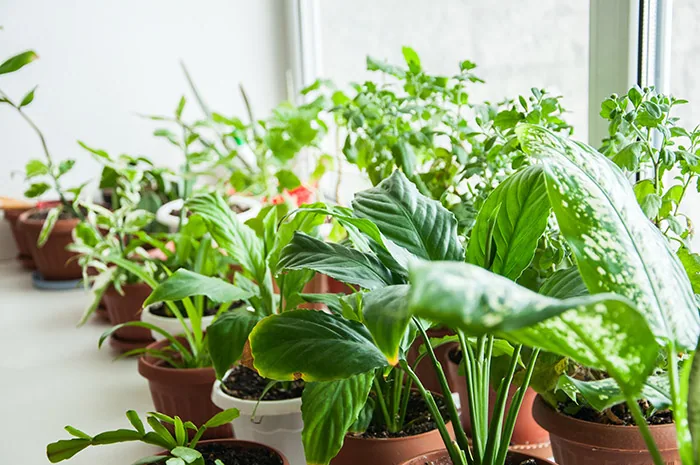
Benefits of Growing Plants Inside Your Garage All Year Round
Cold weather doesn't mean you have to pack away your tools and long for gardening season to return. Planting a garden in garage space lets you keep exercising your green thumb all year round.
Almost everyone living in a single-family home has access to a garage. Most of us also have either a little extra room or unused space there that can be converted. Here's what makes it a great place to do a little out-of-season gardening:
- It's close to your house.
- It has enough shelter that you can work without being exposed to the weather.
- It's where you already store half-full bags of soil, trowels, clay pots, seeds, and gloves.
How to Start a Garage Garden: Space, Utilities, and Supplies
When thinking about creating a garage garden, the first thing to consider is space. You can do as much or as little planting as your room allows.
You can fully transform a whole garage into a functioning greenhouse or grow room. Or you can simply block off a workbench and plant a few pots and trays. Either way, you can carve out a spot for your cool-weather oasis.
- Pick a spot away from car exhaust and the drafty edges of the garage door.
- Check the availability of sunlight, running water, and electricity.
- Review your garage insulation and seal gaps so the area holds heat.
- List and gather all of the supplies you need to transform the space once you have a plan in mind.
Getting Adequate Natural Lighting for Plants in Your Garage
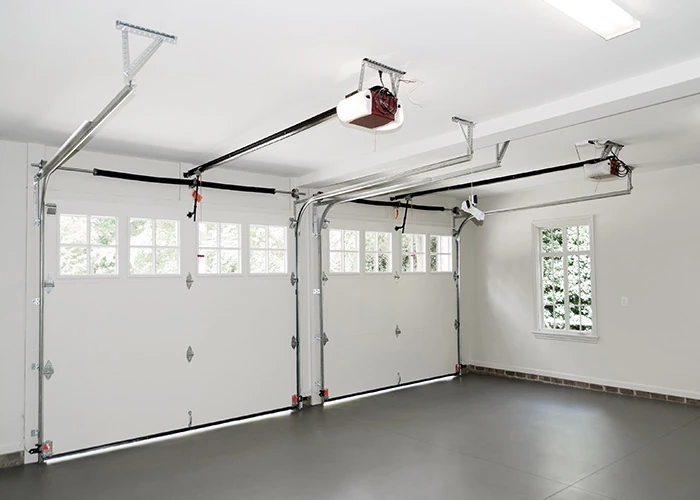
If you have any windows in your garage, set up your plants to get the most natural light. Depending on the scale of the project, if you intend to convert the whole garage, the south side wall is the one that'll need to be fitted with energy efficient windows. It gets the most direct sun all day.
Planning new glass? Weigh the pros and cons of adding windows to your garage first. Otherwise, put up a reflective object, like a mylar sheet or white board, to bounce more of the existing sunlight toward the plants.
Choosing Artificial Grow Lights When Windows Aren't Enough
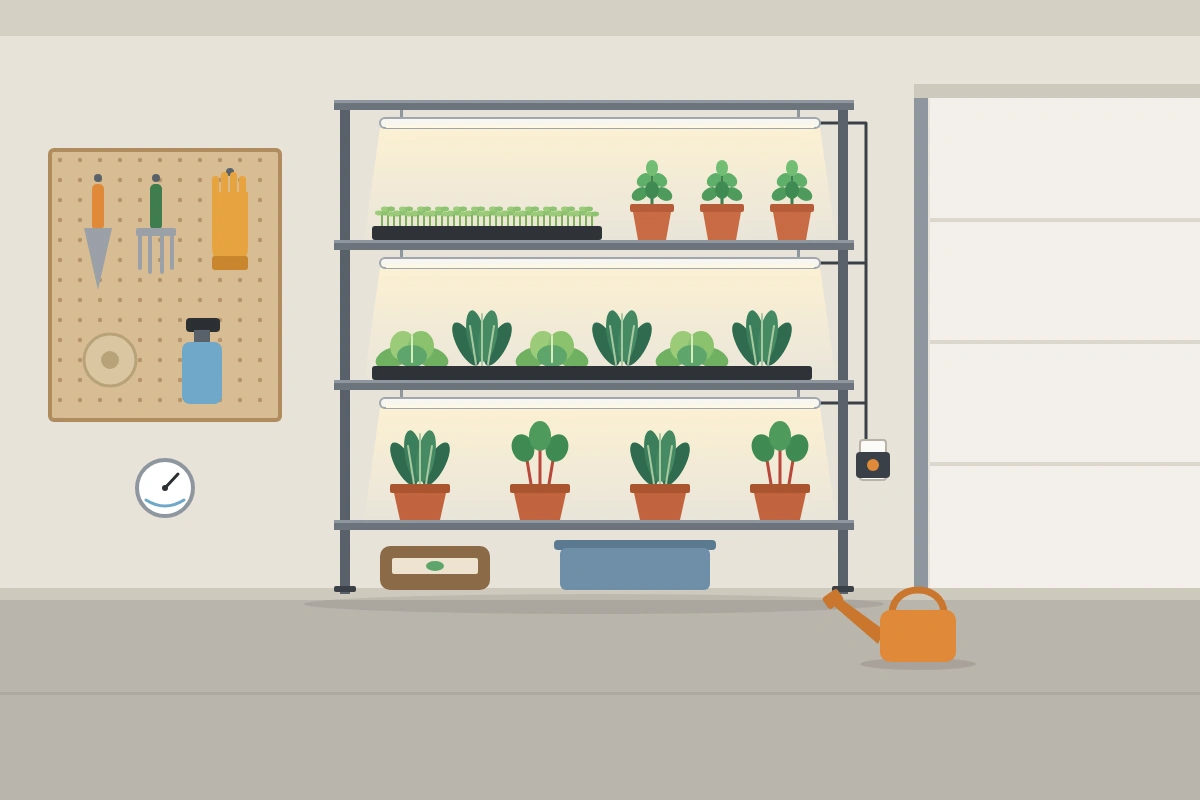
If there aren't many windows and a full-scale renovation isn't on the table, install some artificial light sources to encourage healthy plants. There are plenty of grow light products available, so select some that are a good fit for your project.
Try hanging them from the ceiling above the plants and setting them on a timer for 12 to 16 hours a day. If you're looking to save money, run the lights only at night or use fewer of them. This works especially well if the plants get some light through the windows during the day.
LED vs Fluorescent Grow Lights for Garage Gardening Setups
LED grow lights cost more up front, but they use less electricity, run cooler, and last for years. Fluorescent T5 tubes are cheaper to buy and work fine for seedlings and leafy greens, though they dim with age and need replacing more often. For a garden that runs all winter, LEDs usually pay for themselves.
Best Plants for Garage Growing Through Winter and Year Round
Some plants do better in certain temperatures, while others are meant to rest dormant over the winter and resume growth in the spring. Stick with cool-weather crops that handle lower light and temperatures:
- Roots and underground produce like carrots, radishes, garlic, beets, and parsnips are great choices for winter growing.
- Kale, spinach, cabbage, radicchio, and numerous other leafy greens let you grow a delicious, fresh salad in your garage.
- Herbs like chives, parsley, and mint grow well year round in small pots.
- Broccoli, peas, and Brussels sprouts are fair choices if you have room for bigger plants.
Tips for Keeping Plants Healthy in Cold-Weather Garage Gardening
With an outline in mind for which plants to grow, you'll need to know some tricks to keep them healthy and thriving. Just like in a regular garden, a little routine care goes a long way:
- Thin out small, weak plants and leave plenty of room in between the rest.
- Mix a few bug-repelling marigold plants in among your crops.
- Take away any sick plants immediately so the problem doesn't spread to your healthy ones.
- Water at the base and let the top inch of soil dry out between waterings to keep mold and fungus gnats away.
Setting Up an Attractive, Space-Saving Garage Garden Layout
The best garage garden ideas balance easy access with good looks. Some gardeners like to use brightly painted shelving units to house plants on trays.
You can also set up rows of cups or pots on a bench, or create a raised bed along the wall of the garage. Try setting up a pegboard behind the plants to hang your tools and supplies, or a pot rack overhead.
A large planter pot nearby makes a good spot to collect seeds, bulbs, and tools as well. Your >garage lighting, sheeting, tool storage, and even table coverings can all contribute to a pleasant atmosphere.
Vertical Garden Systems That Make the Most of a Small Garage
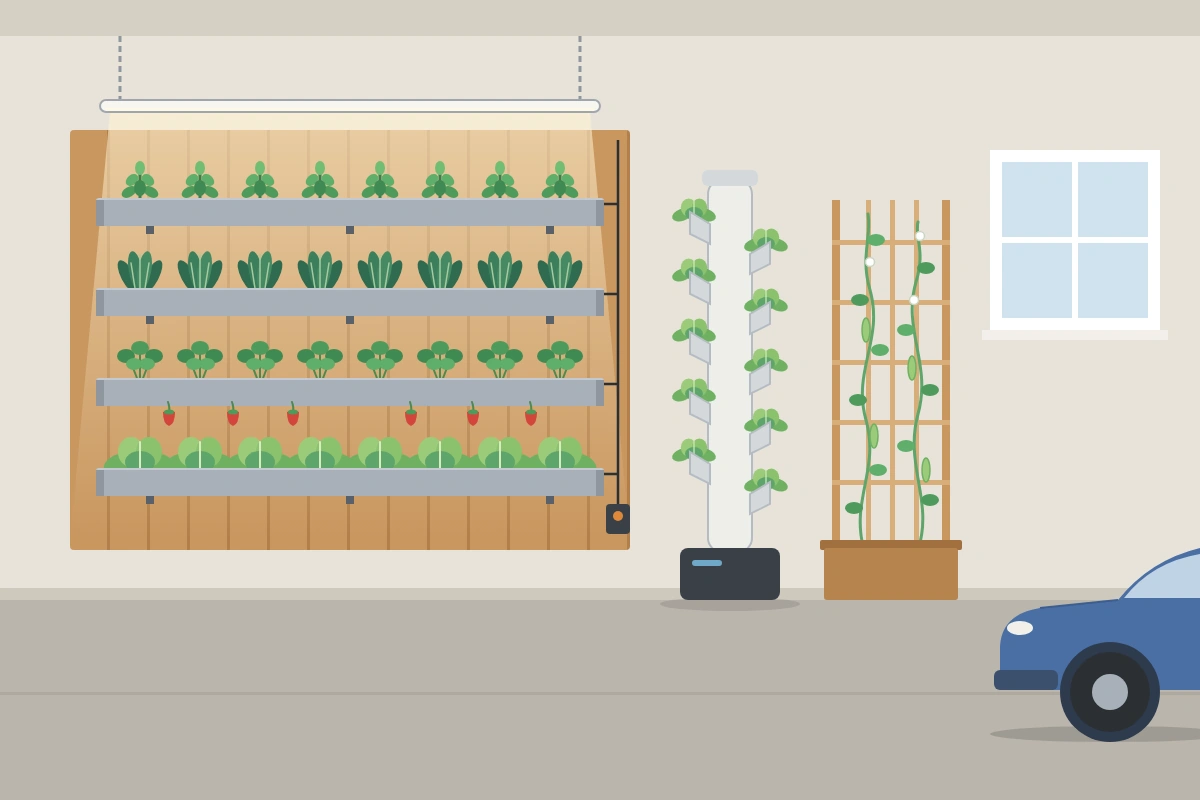
When floor space is tight, grow up instead of out. A vertical garden keeps room for your car and puts more plants within reach of your lights:
- Wall-mounted pocket or gutter planters for herbs and greens
- Tiered wire shelving with a grow light on each level
- Hydroponic towers that hold 20 or more plants in a few square feet
- Trellises for climbing crops like peas and pole beans
Creating a Garage Greenhouse Effect With Simple Plastic Sheeting
You can hang up some plastic sheeting to create a greenhouse effect in the garage. Whether you're using the whole building or just a small area, section it off to keep the plants warm and moist.
This is a great method if you're growing plants that thrive best in warmer temperatures. However, it can actually get too hot inside, even when it's very cold outside, so keep an eye on the temperature. If it's very hot, install a bit of tubing to run a misting system over your plants.
Stabilizing the Temperature in Your Garage Garden All Winter
To know whether you need to heat up or cool down the space, find out the best temperature for the types of plants you've chosen and adjust accordingly. Any gardening or home improvement store sells a thermometer you can place in the garage and check periodically.
If the greenhouse effect is making the area too hot, install a fan to get some air flowing. More likely, if you live in the Midwest or another region with harsh winters, you'll need to keep the space heated above freezing.
A small space heater or a few inexpensive heat lamps, placed in a safe, clean area near the plants, will do the trick. Check out our article about the best ways to heat your garage.
Quick Tip
Check your thermometer every morning, since the coldest temperatures of the night usually hit just before sunrise.
Controlling Ventilation and Humidity Around Your Garage Plants
Plants release moisture, and a closed garage traps it, which invites mold and mildew. Run an oscillating fan to keep air moving, and open a vent or window on mild days to swap in fresh air.
Most vegetables and herbs grow best at 40% to 60% humidity, so add a hygrometer next to your thermometer. If readings run high, use a small dehumidifier and follow these steps for reducing garage humidity.
Hydroponic Gardening: Growing Fresh Produce Without Any Soil
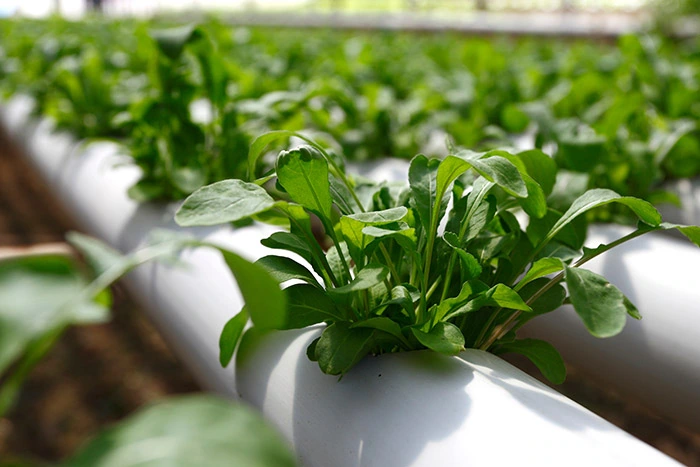
You can create a hydroponic system in your garage garden with some extra supplies and a little know-how. In fact, this is a great way to grow produce all year in a small space.
A hydroponic system uses a water-based environment to grow plants, rather than a soil-based one. There are several different types of hydroponic systems, but one that's very well-suited to a beginner is the water culture method.
In this method, you submerge the roots of your plants into a container of water and add growth nutrient solution, while an air pump provides necessary oxygen to the roots. It's a great way to grow fresh salads and is easily achievable in a small garage garden.
Hydroponics vs Soil Gardening: Pros and Cons in a Garage
Both methods work indoors, so the right pick depends on your budget, your crops, and how hands-on you want to be. Here's how they compare in a garage setting:
| Factor | Soil | Hydroponics |
|---|---|---|
| Upfront cost | Low | Moderate to high |
| Growth speed | Steady | Faster |
| Water use | Higher | Much lower, since water recirculates |
| Upkeep | Watering and checking for pests | Checking pH and nutrient levels every few days |
| Best for | Root crops and beginners | Leafy greens and herbs |
Garage Gardens Are a Great Addition to Any Midwest Home
Now that you're excited about honing your cultivation skills even after planting season is long past, it's time to put these tips to work. Whether you choose a complete greenhouse remodel or simply curtain off a few seedlings, you'll soon enjoy the fruits, or vegetables, of your labor even in the cold season.
Is your current garage too small or in bad condition for a garden? A custom garage is planned around how you'll use it, with room for your car, south-facing windows for natural light, solid insulation, and outlets right where your grow lights go. We've built over 100,000 garages and bring 50 years of trusted service to homeowners across Illinois, Wisconsin, Indiana, and Iowa. Get a free quote on your custom garage today.
FAQs
How much electricity does a garage garden use?
Grow lights and heat drive most of the cost. A 200-watt LED fixture running 14 hours a day uses about 84 kWh a month, roughly $13 at 16 cents per kWh, while a 1,500-watt space heater can cost several times that. Insulating the space and putting everything on timers keeps your bill in check.
Do you need a permit to turn a garage into a greenhouse?
Shelving, grow lights, and plastic sheeting rarely need a permit. New windows, electrical circuits, plumbing, or a permanent conversion of the garage usually do, so check with your local building department and HOA before you start.
Can you automate watering for plants in a garage?
Yes. A drip irrigation kit with a hose or battery timer waters each pot at its base on a set schedule, and self-watering containers work well for smaller setups. Put trays under your plants to protect the floor from runoff.
Can you build a greenhouse attached to a garage?
Yes, and a lean-to greenhouse against a south-facing garage wall is one of the most efficient designs. The wall shields it from wind and cuts heat loss, and you'll have easy access to water and power.
How do you build a grow room in a garage?
Frame off a corner with lumber or PVC and wrap it in reflective plastic sheeting, then add LED grow lights on a timer, a fan, and a thermometer-hygrometer. Insulating the walls and garage door helps a garage grow room hold steady temperatures through winter.