


Summary
Garage flooring comes in two groups: coatings such as epoxy, polyaspartic, paint, sealer, and stain, and coverings such as interlocking tiles, peel and stick vinyl, roll-out mats, and carpet tiles. Coatings need a clean, dry, crack-free slab, while coverings go over imperfect concrete with almost no prep. The right pick depends on how you use the space, from parking and auto work to home gyms, kids, pets, and humid climates.
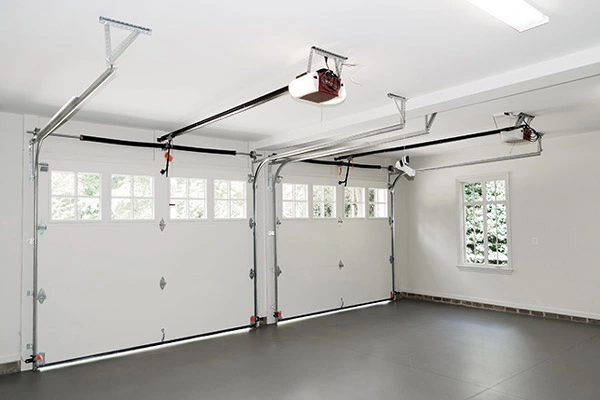
Types of Garage Flooring
Your garage floor takes more punishment than any other floor in your home: hot tires, oil drips, road salt, and dropped tools. The best garage flooring ideas start with one simple question: how will you use the space?
Do you only park your cars in there? Do you handle your own auto repair and maintenance? Are you converting the garage into a gym or a living space?
Each situation calls for a different flooring type, and the right match saves you money and headaches down the road. Before you compare specific products, get to know the two main types of garage floors.
Every garage floor option falls into one of two groups: coatings and coverings. Coatings bond directly to your concrete garage floor, while coverings sit on top of it. Both protect floor surfaces from stains, impact, and moisture, and both give the space a cleaner, more finished design.
Within each group, you'll find several materials and garage floor finishes. The best fit changes from one garage to the next, so here's how each option performs.
Garage Floor Coatings
Coatings come in a few different materials, and they work best on floors in good shape with no cracks or craters. They need a clean, moisture-free surface and a bit of prep to bond properly.
If moisture rises through your slab from below, a coating will peel or bubble within a short time. Repair any cracks first, then degrease the concrete and let it dry completely before you apply anything.
Garage Floor Tip
Test your slab for moisture before you coat it: tape a square of clear plastic to the concrete for 24 hours, and if droplets form underneath, choose a covering or a moisture-blocking primer instead.
Garage Floor Epoxy Paint
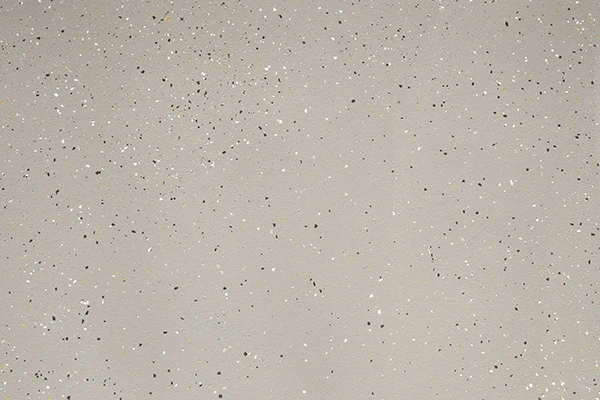
Epoxy is the most popular garage floor coating and one of the toughest. It resists stains from oil, gas, brake fluid, and nearly anything else that drips from a car.
It isn't the easiest coating to apply, though. Epoxy comes in two parts that you mix together, and you have a limited window to spread it before it hardens. Done right, it creates a glossy, ultra-durable finish that lasts for years.
Epoxy works in almost any garage. It cleans easily and handles heavy traffic without trouble. Apply it on a mild day rather than a scorching summer afternoon, since heat shortens your working time and can cause bubbles.
Polyaspartic Coatings: Epoxy Toughness With a One-Day Cure
Polyaspartic is a newer coating that's quickly gaining ground on epoxy. It's a type of polyurea that stands up to abrasion, chemicals, and hot tires. It also flexes more than epoxy, so it resists chipping and cracking as the slab moves.
The biggest difference is cure time. You can walk on polyaspartic within a few hours and park on it the next day. Epoxy needs about a day before foot traffic and up to a week before you drive on it. Polyaspartic is also UV-stable, so it won't yellow in a sunny garage the way many epoxies do.
The trade-offs are cost and difficulty. Polyaspartic sets so fast that it's best left to a pro, and it costs more per square foot. Get the full breakdown of polyaspartic floor coating pros and cons before you decide.
You don't have to choose one or the other. Many installers lay an epoxy base and finish it with a polyaspartic topcoat for extra UV and scratch protection. This guide to applying polyaspartic over epoxy walks through when that combo makes sense.
Concrete Floor Paint
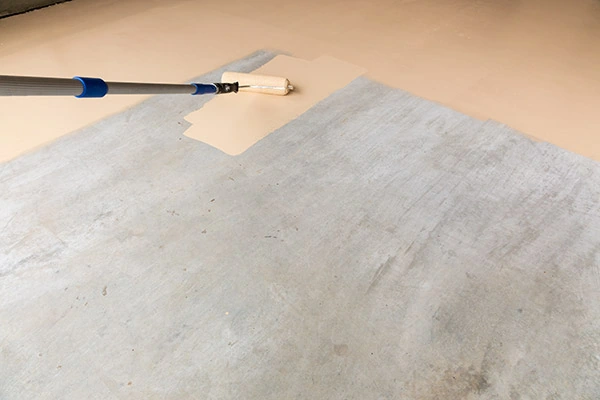
Oil- and latex-based floor paints are popular because they're inexpensive and easy to roll on. Think of them as wall paint built tougher for foot and tire traffic.
You can choose from plenty of colors to give your garage a clean, sleek look. Even a good paint won't match other coatings for strength, and you'll need to touch it up every year or so with normal wear.
Paint makes sense if you don't spend much time in the garage or you won't tackle many projects there. It's also a quick, budget-friendly refresh before you list your home for sale.
Concrete Sealer
Sealers are a tougher version of floor paint. You apply them the same way, but they offer better protection against stains and moisture. The most popular options are latex and urethane.
Urethane is the stronger of the two, but it doesn't stick well to bare concrete. You'll need a primer coat first, or you can apply it over an epoxy or stained garage floor.
Sealers leave a glossy finish and often pair with another coating. On their own, they're a smart way to protect a bare cement garage floor from oil and road salt.
Concrete Stain
Concrete stains aren't really a coating. They're more of an aesthetic touch that soaks into the concrete, and you'll almost always pair one with a sealer.
Stains create a marbled, one-of-a-kind look. Depending on how much traffic your garage sees, plan to touch up and reseal the floor every two years or so to keep the color rich.
A stained floor is ideal if you keep a tidy garage and don't make many messes. It's less forgiving of heavy auto work and chemical spills.
Garage Floor Coverings
The remaining garage floor options fall into the coverings category. A covering for garage floors has a few advantages over coatings, starting with prep.
You won't need nearly as much prep work, and coverings hide cracks because they sit on top of the slab. Installation is simple, and many products go down in a single afternoon.
Coverings generally cost more than DIY coatings, though. Here's how each type compares.
Snap-Together Tiles
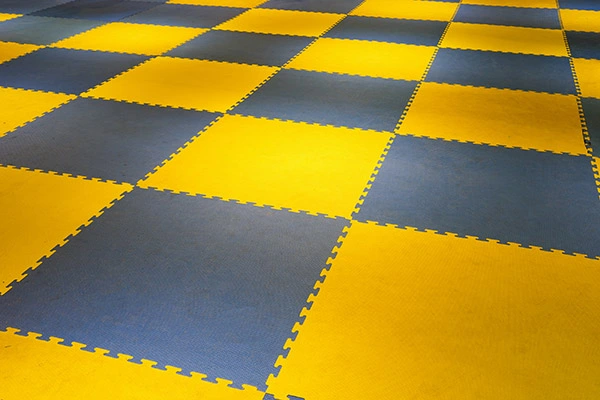
Snap-together tiles are exactly what they sound like: tiles that lock into place like a puzzle, minus the challenge. The best interlocking flooring systems use either rigid or flexible plastic.
These tiles work on cracked floors without any problems. If your garage sees heavy traffic, or you use a car lift, floor jack, or anything with a kickstand, go with rigid tiles because they're stronger.
Flexible tiles do a better job of keeping moisture from seeping through. They also expand and contract more than rigid tiles in extreme temperatures.
Both styles come in a wide range of colors, so you can lay out custom patterns, borders, or your favorite team's colors. That makes tiles a fun garage floor idea if you want a one-of-a-kind design.
Peel and Stick Tiles
Peel and stick garage floor tiles work best on a level floor without major cracks or slopes. The most popular versions are made from heavy-duty vinyl.
Like snap-together tiles, they're easy to install and come in plenty of colors for creating patterns. Clean the concrete and let it dry completely before you start so the adhesive grips properly.
Peel and stick tiles aren't as strong as snap-together tiles. Save them for a garage that doesn't get a ton of use.
Roll-Out Garage Flooring
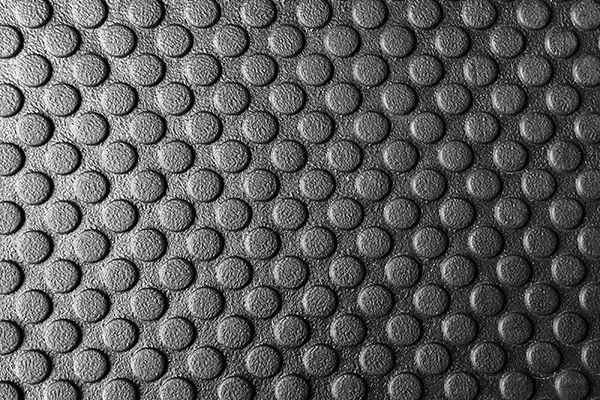
Roll-out coverings are the easiest to install and among the most versatile. You can put a mat under your car only or cover the entire floor wall to wall.
They're made from heavy-duty PVC vinyl or rubber and come in many sizes and colors. They offer solid protection, but kickstands and other sharp objects can puncture them.
Convenience is their biggest advantage. You can move them whenever you like, and there's no prep beyond a good sweep.
Carpet Garage Flooring
Yes, you can put carpet in your garage. If you use the space as an extra living area, any carpet can work, but there's also carpet made specifically for garages.
Garage carpet comes in tiles that are easy to install. Like other tiles, you can choose from a variety of colors and patterns.
The fibers are extremely durable and resist oil and gas stains. They're easy to clean and feel much softer underfoot than hard coverings, which makes your garage feel more comfortable and homey.
Garage Floor Options Matched to How You Use Your Garage
Whether you lean toward a garage floor covering, epoxy, or a simple sealer, the way you use your garage narrows your choices fast. This quick comparison shows how each option stacks up, and the picks below cover specific situations.
| Flooring Type | Durability | Covers Cracks | DIY-Friendly | Best For |
|---|---|---|---|---|
| Epoxy | High | No | Moderate | Workshops, parking, showroom look |
| Polyaspartic | Very high | No | No, pro install | Fast turnaround, sunny garages |
| Concrete paint | Low | No | Yes | Light-use storage garages |
| Concrete sealer | Medium | No | Yes | Protecting bare or stained concrete |
| Concrete stain | Low to medium | No | Yes | Decorative, low-traffic garages |
| Snap-together tiles | High | Yes | Yes | Heavy traffic, cracked slabs |
| Peel and stick tiles | Medium | No | Yes | Level floors, light use |
| Roll-out mats | Medium | Yes | Yes | Quick coverage, renters |
| Carpet tiles | Medium | Yes | Yes | Living spaces, hobby rooms |
Rubber Flooring and Tiles That Absorb Home Gym Impact
A garage gym needs a floor that protects both the concrete and your equipment from dropped weights. Rubber is the top choice because it absorbs impact, deadens noise, and gives you a grippy surface for lifting and cardio.
Pick rubber tiles or mats at least 3/8 inch thick for general training, and step up to 3/4 inch under a lifting platform. A rubber floor covering for garage gyms also stays put under sliding equipment and won't chip like a thin coating can.
If you park in the same space, use rigid interlocking tiles on the parking side and add rubber mats in the workout zone. You get a tough surface for your car and a cushioned one for training.
Easy-to-Clean Garage Floor Coverings for Kids and Pets
Kids and pets bring mud, spills, and accidents into the garage. Seamless coatings like epoxy or polyaspartic are the easiest to clean because there are no seams for messes to seep into. A quick mop handles most of it.
If you prefer tiles, go with solid-top interlocking tiles rather than vented ones, since liquids pass right through vented tiles to the slab below. Skip carpet tiles if you have a pet, because accidents soak into the fibers.
A flake or textured finish gives little feet and paws better traction. It also hides the scuffs and dirt that come with an active household.
Slip-Resistant Garage Floor Finishes for Safer Footing
A glossy coating looks great, but it gets slick when snowmelt or rainwater drips off your car. You can create a no slip garage floor by mixing an anti-slip additive, such as aluminum oxide grit, into the topcoat.
Decorative flakes add texture too, especially when they're broadcast heavily. For coverings, coin-top and diamond-plate tiles give your shoes more grip, and rubber offers natural traction even when it's wet.
Vented or ribbed tiles also help because water drains below the walking surface. That keeps the top dry during Midwest winters when your car brings in slush every day.
Moisture-Resistant Garage Flooring for Humid Climates
Humid summers and damp slabs can ruin the wrong floor. When warm, muggy air hits cool concrete, water condenses on the surface, and moisture can also push up from the ground below. Find out why garage floors sweat and how to stop it before you choose a finish.
Vented interlocking tiles are the best choice for damp garages because air circulates underneath and moisture evaporates instead of getting trapped. If you want a coating, have a pro apply a moisture-mitigating epoxy primer first, then finish with epoxy or polyaspartic.
Avoid peel and stick tiles and carpet in humid spaces, since trapped moisture loosens adhesive and breeds mildew. A dehumidifier and good ventilation help any floor last longer.
Your Garage Flooring Is Only as Good as Your Garage
Every one of these garage flooring options has its strengths. Still, it doesn't make sense to invest in a premium floor if the garage itself is in rough shape.
If your garage is old and worn out, or the slab is heaving, crumbling, or sloped, it's time to think bigger. The same goes for a garage that can't hold a comfortable temperature, since extreme swings shorten the life of any floor.
A new garage gives you a brand-new, level foundation, so you won't be limited in the flooring you choose. It's the biggest upgrade you can make for a floor that looks great and lasts.
Build a New Garage or Upgrade to a Polyaspartic Floor Coating
Feldco has built over 100,000 garages and has been the Midwest's #1 home exterior company since 1976. Every new garage starts with a solid, level slab, so your floor is ready for a coating from day one.
Already have a garage you love? Feldco also installs polyaspartic floor coatings that resist oil, road salt, and hot tire pickup. You can walk on it within hours and park the next day.
With 50 years of trusted service and more than 500,000 homeowners served across Illinois, Wisconsin, Indiana, and Iowa, you're in experienced hands. Get a free quote on a new garage or polyaspartic floor today.
FAQs
Which garage floor covering lasts the longest?
Rigid polypropylene interlocking tiles are the most durable covering. They handle floor jacks, heavy trucks, and chemical spills, and you can swap out a damaged tile in minutes.
Why do epoxy garage floors bubble, and how can you prevent it?
Bubbles form when air escapes from porous concrete as the slab warms, when moisture rises from below, or when fast mixing whips air into the epoxy. To prevent them, test for moisture and prime porous concrete first. Then mix slowly with a low-speed drill and apply on a cool, dry day when temperatures are steady or falling.
What garage floor color hides dirt and road salt best?
Medium grays, tans, and multicolor flake blends hide dust, tire marks, and white salt residue best. Solid black and bright white show every speck, so skip them if your garage sees Midwest winters.
Can you coat an asphalt garage floor?
Epoxy and polyaspartic are made to bond with concrete, and they won't adhere reliably to asphalt. Asphalt also softens in summer heat and breaks down when oil or gas drips on it, so roll-out mats or interlocking tiles are a better fit.
Should you seal a bare concrete garage floor?
Yes. Bare concrete is porous, so it soaks up oil, water, and road salt, which leads to stains, dusting, and flaking. A penetrating sealer is the minimum protection, and any coating or covering adds even more.


 866-4FELDCO