


Summary
Garage doors are the heaviest moving object in most homes, and injuries usually come from pinch points, entrapment and snapped springs or cables. Openers made since 1993 must have two independent safety systems, typically photo-eye sensors and contact auto-reverse. Test both monthly, and leave spring and cable work to a trained technician.
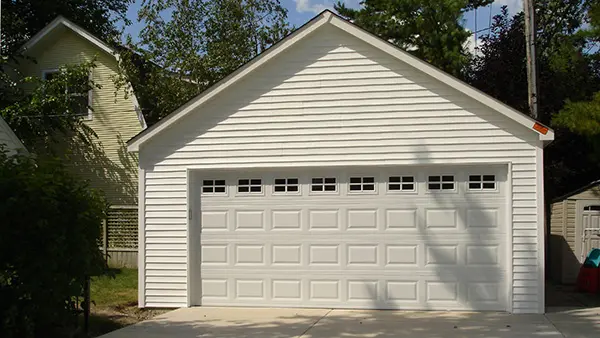
Garage Door Injuries and the Risks Every Homeowner Faces
The U.S. Consumer Product Safety Commission (CPSC) issued its first garage door advisory in 1983, after a closing door killed a nine-year-old boy. These garage door safety tips start with injury prevention.
Residential garage door injuries repeat a few patterns:
- Pinched fingers caught between closing door sections
- Entrapment under a door that failed to reverse
- Cuts and fractures from a snapped torsion or extension spring
- Struck-by injuries when a frayed cable drops the door
Garage Door Safety Features Built Into Modern Systems
Safety requirements caught up with the hardware in the early 1990s. Openers built after January 1, 1993 must meet federal entrapment standards with two independent protection systems.
- Photo-eye sensors mounted within six inches of the floor
- An auto-reverse mechanism that responds to contact resistance
- Safety cables threaded through extension springs to contain a break
- A manual release cord for power outages
- Rolling-code remotes that change their signal after every use
Sectional overhead door and roll up door hardware differ, but the rules match. Replace any opener predating these garage door safety features.
Photo-Eye Sensors, Obstruction Detection and Clear Paths
Two black boxes sit near the floor on either side of the opening, aiming an infrared beam at each other. Break that beam and the door goes back up.
Misaligned sensors announce themselves: the door drops a foot and reverses. Wipe both lenses monthly, then clear the path of bikes, bins and pets.
How to Test the Auto-Reverse Safety Feature Each Month
The reversing mechanism is your last line of defense, and it wears out quietly. Test it both ways monthly:
- Lay a roll of paper towels in the door's path and close the door. It should reverse on contact.
- Wave a broom handle through the photo-eye beam as the door closes. It should stop and reverse.
If either test fails, stop using the opener and call a technician.
Quick Safety Tip
Run the auto-reverse test on the same day you check your smoke detectors, so the monthly habit never slips.
Signs of Failing Garage Door Springs and Safety Cables
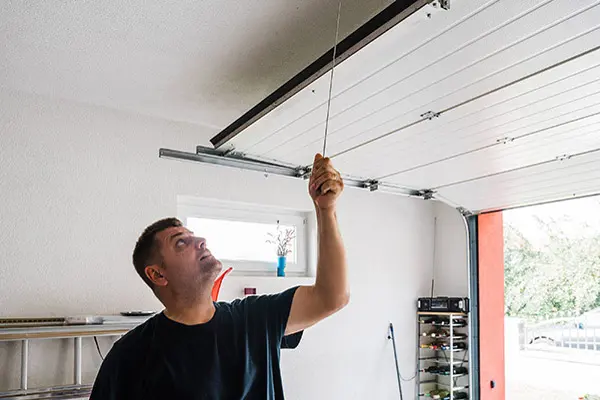
Springs and cables carry the door's full weight, and they cause the worst injuries. Watch for these warning signs:
- A visible gap in the torsion spring coil above the opening
- Rust, kinks or fraying strands in the lift cables
- The door sagging on one side or moving in jerks
- Extension springs with no safety cable running through them
Never loosen a bolt or tug a cable yourself. Torsion springs store enough energy to break bones.
Watch Your Fingers Around Panels, Hinges and Tracks
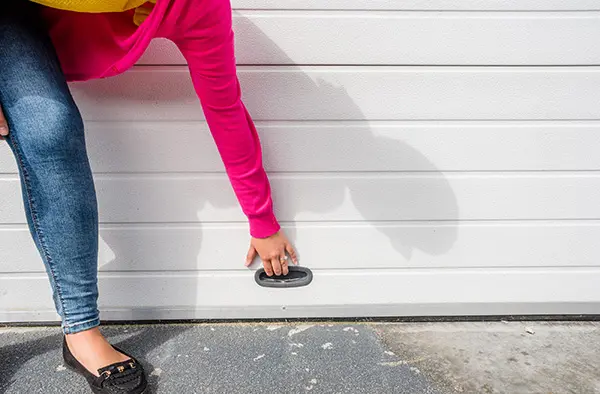
Pinched fingers are the most common garage door injury. Grab the handles and lift bars, never the panel seams. Knowing the parts of a garage door helps you spot pinch points early.
Garage Door Safety Rules for Children and Curious Pets
Young children account for many entrapment cases, and pets slip under a closing door just as fast. Tell your kids the opener isn't a toy, then set these rules:
- Mount wall control buttons at least five feet off the floor
- Store remotes and keypads where small hands can't reach
- Watch the door finish closing before you drive away
- Tie the emergency release cord up so kids can't swing on it
Your Monthly and Annual Garage Door Safety Inspection Plan
May is Garage Door Safety Month, but a safety inspection works better year-round. Run this checklist monthly:
- Test auto-reverse with an object and with the photo-eye beam
- Look over springs, cables, rollers, hinges and bottom brackets
- Listen for grinding, scraping or popping through a full cycle
- Pull the release and lift the door halfway to check its balance
Book a professional inspection yearly. A technician measures spring tension, force settings and track alignment.
Garage Security With Codes, Remotes and Smart Openers
Your garage door is also a door into your house, so treat the keypad code like a house key.
Here's the security tip most homeowners skip: don't clip the remote to your visor. A smart garage door opener flags a door left open from your phone.
Learn to Operate Your Garage Door During a Power Outage
Storms knock out power across the Midwest every year. The red cord on the trolley disconnects the door so you can lift it by hand. Pull it only when the door sits fully closed.
Get a Safer Garage Door Installed by Feldco Professionals
An opener with no photo eyes isn't worth patching. Feldco has served over 500,000 homeowners across Illinois, Wisconsin, Indiana, Iowa and Michigan since 1976.
Ask a specialist about safe garage doors meeting current safety standards. Get a free quote today.
Garage Door Safety Questions Homeowners Ask Most Often
Why does my garage door reverse right after it touches the floor?
The opener's travel limit or close-force setting is off, so it reads the floor as an obstruction. Worn rollers or a bent track do the same.
How do garage door photo-eye sensors detect obstructions?
The two units send an infrared beam across the opening a few inches above the floor. Anything breaking that beam signals the opener to reverse.
Are torsion springs safer than extension springs?
Torsion springs mount above the door and stay contained if they fail. Extension springs can fly across the garage when they snap, so safety cables are required with them.
Is replacing a garage door cable a safe DIY project?
No. Cables stay under spring load even when the door is down, and releasing that tension without winding bars causes severe injuries.
How often should I test the auto-reverse feature?
Once a month, plus after any storm or impact. The test takes a minute and catches most garage door opener safety failures.


 866-4FELDCO