


Summary
Drywall gives a garage fire resistance, quieter work, brighter light, and resale appeal, while plywood and PVC panels handle heavy mounting and moisture better. Use 1/2-inch panels on most walls and 5/8-inch Type X where the garage meets living space. Insulate first, hang the ceiling before the walls, then prime and paint.
Finishing Your Garage Starts With How You Plan to Use It
Bare studs are fine if your garage only holds a car. Once it doubles as a workshop, gym, or storage hub, a drywall garage stays brighter, quieter, and better protected against fire. The best way to finish garage walls depends on what you need your detached garage to handle.
Drywall Basics: The Gypsum Panels That Replaced Plaster and Lath
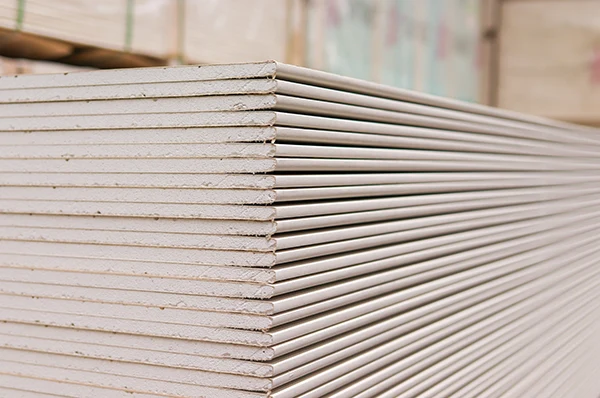
Drywall is a building panel used to finish interior walls and ceilings. Each sheet has a core of gypsum, a soft sulfate mineral, pressed between heavy paper facings.
Manufacturers heat gypsum to drive off its natural water, mix the powder with water and additives, and dry the slurry between paper sheets in a kiln. That locked-in water gives drywall its fire resistance.
Before drywall, builders nailed thin wood strips called lath to the framing and troweled on layer after layer of wet plaster. Drywall sheets go up in a fraction of the time, with far less mess.
The Pros of Drywalling Your Garage Walls and Ceiling
Drywall brings a lot to a detached garage. Here's what you gain when you cover the studs and rafters with gypsum board.
Fire Protection for Your Garage and Everything Stored Inside
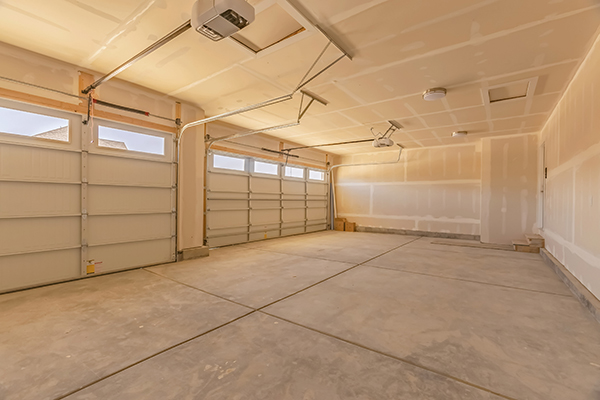
Gypsum holds water in its crystal structure. When flames hit a panel, that water turns to steam and slows heat from reaching the framing behind it.
It's a big plus if you run power tools or store gasoline, oil, and solvents. Fire-rated drywall for garage walls adds an extra layer of protection, and many codes require specific panels on walls and ceilings that connect to the house.
Noise Reduction That Keeps Your Workshop Neighbor-Friendly
Drywall won't fully soundproof a garage, but it does cut down on noise. A drywalled garage keeps the whine of a miter saw or compressor from carrying across the yard.
That matters if you live close to neighbors or answer to a picky HOA. And if your kid decides to start a metal band, you'll know exactly where to send them.
Maximum Visibility and Brighter Lighting for Project Work
Light-colored drywall bounces light around the room, even before you paint it. That reflection gets more out of every fixture, especially when you pair it with smart garage lighting ideas.
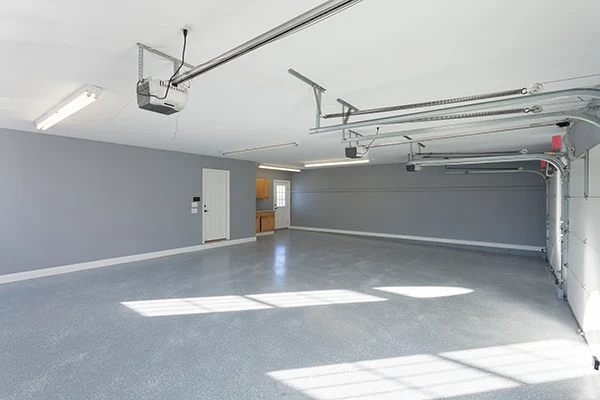
A coat of bright white paint boosts the effect even more. You don't want to squint while running a table saw, so hobbyists get a lot out of this upgrade.
Improved Resale Value From a Clean, Finished Garage Interior
Finished walls give buyers a clean, move-in-ready impression the moment they open the garage door. If there's any chance you'll sell, drywall is an easy way to add appeal.
The Pros of Sticking With Plywood Instead of Drywall Sheets
Drywall isn't the right fit for every detached garage. Plywood is the most common substitute for walls, and it works on ceilings too if you don't want exposed rafters.
Extra Strength for Wall-Mounted Tools, Shelving, and Storage
Plywood ties into the framing and adds real structural strength, while drywall is more of a finishing layer. That matters if you plan to hang tools, workstations, or storage systems on your walls.
With drywall, you have to find a stud or rely on anchors, which limit how much weight you can hang. With plywood, you can drive screws anywhere and they'll hold.
Easy and Simple Installation That One Person Can Handle
A full sheet of drywall is heavy and fragile, so hanging it usually takes two people or a rented lift. Going it alone invites strained backs and cracked panels.
Plywood won't crumble if you bump a corner, so one person can carry and fasten it. There's no taping or mudding either, which shortens the project.
More Drywall Alternatives for Garage Walls Worth Considering
Plywood isn't your only option. Here's how other popular coverings compare:
| Wall covering | Best for | Watch out for |
|---|---|---|
| OSB | Budget builds that need mounting strength | Swells if it gets wet |
| PVC wall panels | Humid, unheated, or wash-down garages | Fire ratings vary by product |
| Metal panels | Rugged, noncombustible shop walls | Dents and echoes noise |
Check fire ratings before you swap materials on a wall shared with your home. Codes usually call for gypsum board there, so most alternatives work best in detached garages or installed over drywall.
Choosing the Right Kind of Drywall for Your Detached Garage
Get a few details right before the first sheet goes up. The kind of drywall and its thickness both depend on where each panel lands.
Standard, Moisture-Resistant, and Type X Panels Explained
Choosing the type of drywall for detached garage walls comes down to humidity and code. If you want a sheetrock garage that holds up for decades, match each board to its job:
- Standard drywall: The budget pick for dry, sheltered walls.
- Moisture-resistant drywall: A smart upgrade for humid garages and for a drywall garage ceiling, where condensation collects.
- Fire-rated Type X: Often required by code as sheetrock for garage walls and ceilings that border living space.
Drywall Thickness: Half-Inch vs. Five-Eighths Panels
Drywall thickness matters as much as panel type. Half-inch sheets are the go-to for garage walls, while 5/8-inch Type X is the usual choice for ceilings and shared walls because it resists sagging and fire better.
Whether you call it drywall or sheetrock, matching the right panel to each spot gives you a finish that lasts. Your local building department has the final word on what's required.
Garage Drywall Installation: A Step-by-Step DIY Walkthrough
Learning how to drywall a garage comes down to sequence: insulate, hang the ceiling, hang the walls, finish the seams, and paint. Before buying, measure every wall and ceiling and sketch where each sheet lands. Plan for full sheets wherever you can, since thin slivers crack and add seams, and order about 10% extra for cuts and mistakes.
Insulating Your Garage Walls Before the Drywall Goes Up
Wall cavities are sealed once the panels go up, so insulate first. For most garages, the best insulation for walls before drywall is fiberglass or mineral wool batts, which are affordable and easy to fit.
Rigid foam suits masonry walls, and code requires it to sit behind a thermal barrier like 1/2-inch drywall. Our garage insulation guide compares every option.
Hanging a Drywall Garage Ceiling Solo With a Panel Lift
Always hang the ceiling before the walls, so the wall panels can support its edges. A rented panel lift turns a drywall garage ceiling into a one-person job:
- Mark joist locations on top of the walls.
- Load a sheet finished side down, tilt the cradle flat, and raise it perpendicular to the joists.
- Roll the lift so the sheet's ends land on joist centers, then crank it snug.
- Drive screws every 12 inches along each joist, setting the heads just below the paper.
- Lower the lift and repeat, staggering end joints between rows.
Installing Wall Panels, Then Taping and Mudding the Seams
Hang wall sheets horizontally, top row first, with screws every 16 inches along the studs. Leave a 1/2-inch gap at the floor so the slab can't wick moisture into the paper.
- Add metal or vinyl corner bead to outside corners.
- Embed paper tape in joint compound over every seam and inside corner.
- Apply one or two wider coats, letting each dry fully.
- Sand lightly until smooth.
Quick Tip
Joint compound cures best in a warm space. Keep the garage at 55°F or warmer for 48 hours before, during, and after you tape.
A Level 2 finish is common in garages where looks come second, while smooth, paint-ready walls need Level 4. Fire-rated walls need every seam taped to keep their rating.
Painting and Sealing Garage Drywall to Resist Scuffs and Stains
Bare drywall paper soaks up grease and dust, so seal it with a PVA primer first. Then topcoat with a satin, semi-gloss, or scrubbable enamel that wipes clean.
For extra protection, add a plywood or fiberglass-reinforced plastic (FRP) wainscot along the lower 4 feet. It takes the hits from bumpers and bikes so your walls don't.
Drywalling Your Garage Is a Great Project for Most Homeowners
If you spend real time in your garage or store valuable belongings there, drywall is worth it. It adds protection, appeal, and longevity to the whole building.
Sometimes, though, new drywall only covers up a bigger problem. Sagging framing, a cracked slab, or rotting sill plates are signs the garage itself needs replacing.
Build a New Garage With the Midwest's #1 Home Exterior Company
If your old garage is past saving, a new one gives you a clean slate built around how you use the space. Feldco has built over 100,000 garages and brings 50 years of trusted service to every project.
More than 500,000 homeowners across Illinois, Wisconsin, Indiana, and Iowa have chosen Feldco for their home exteriors. Get a free quote on your new garage and speak with a specialist today.
Frequently Asked Questions About Drywalling a Garage
Why do garages need fire-rated drywall?
Cars, fuel, and solvents make garages a higher fire risk than most rooms. Fire-rated gypsum slows flames from reaching the house, so codes require it between attached garages and living space.
Can you use moisture-resistant drywall in an unheated garage?
Yes, it handles humidity swings and condensation better than standard board. Paperless, mold-resistant panels hold up even better, though none are fully waterproof.
What R-value should garage walls have before drywall goes up?
Unheated detached garages usually have no code minimum. Heated garages typically get R-13 to R-15 in 2x4 walls and R-19 to R-21 in 2x6 walls, per your local energy code.
Do you need drywall in a detached garage?
Most codes don't require drywall for detached garage walls unless the building sits less than 3 feet from your home. It's still worth adding if you use the space often.
Is sheetrock the same as drywall?
Yes, Sheetrock is a USG brand name that became everyday shorthand for all gypsum drywall.


 866-4FELDCO