


Summary: Can you refill argon gas in windows? Technically yes, but the fix rarely lasts. Argon is sealed into the insulated glass unit at the factory, and once that seal fails, injected gas escapes through the same gap. Replacing the glass unit could be a more effective repair.
Why Argon Gas Matters for Window Efficiency and Comfort
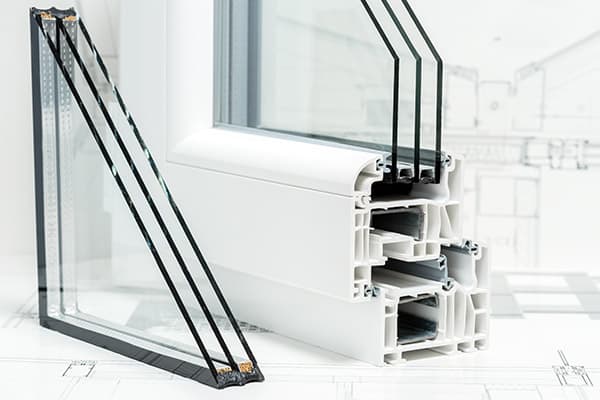
Before you can decide whether or not you should refill it, it’s important to review what argon gas in windows actually does. Argon is a colorless, odorless and non-toxic gas. It’s commonly used in welding and lighting projects, but for windows, it’s known best for its insulating properties, and is sealed between the panes of windows to slow down heat transfer.
Argon is denser than air and transfers heat about 30% more slowly. Sealed between two panes, it slows warmth leaving in winter and heat entering in summer. Paired with Low-E glass, it insulates roughly 10% to 15% better than a window without the argon fill.
Signs Your Windows Have Lost Their Argon Gas Insulation

You can't see or smell argon, so inspect the glass instead. Fog, streaks, or a hazy film between the panes means moisture got in and gas escaped. Cold spots, interior condensation, and milky distortion are other indicators.
These are some of the most common argon-gas filled window problems homeowners encounter when the seal between the panes fails. With the gas itself not dangerous, losing it reduces the window’s insulating performance and can allow moisture to enter the space between the panes.
This can be confirmed by a technician with a metering tool that reads gas concentration through the glass.
Why Window Seals Fail and Let Argon Gas Leak Out Over Time
The perimeter seal flexes daily as glass expands and contracts. UV exposure, temperature swings, and standing water break down the sealant over a span of 10 to 20 years. Metal spacers accelerate this process because they conduct heat and stress the seal.
A healthy unit loses roughly 1% of its argon a year. A failed one empties in a season.
Regassing Windows: What Can and Can’t Be Fixed
How to replace argon gas in windows is a common question when homeowners notice fogging, condensation, or declining energy efficiency. Regassing windows means drilling ports in the spacer, flushing the cavity, injecting argon, and plugging the holes. Never attempt it yourself, because drilling a sealed unit can crack the glass and void your warranty. The process should be performed with specialized equipment by a qualified professional.
Resealing is where the job fails. Nobody recreates a factory seal in the field, so fresh gas escapes through the same worn perimeter. It’s always tricky when you re-gas a window.
Argon Refill Cost vs. the Price of New Replacement Windows
If you're wondering about the cost to replace argon gas in windows, a refill runs $50 to $100 per sash plus a service call. Replacing the insulated glass unit costs roughly $200 to $400 per window and restores a genuine factory seal.
A full replacement window costs more and fixes the frame, sash, and seal together, but is often the option homeowners choose for peace of mind and longevity of the window. Only you can decide how to handle argon gas-filled window problems you may be experiencing in your home.
| Argon Refill | Insulated Glass Unit Replacement | Full Window Replacement | |
|---|---|---|---|
| Typical cost | $50 to $100 per sash, plus a service call | $200 to $400 per window | $600 to $1,200 per window, installed |
| How long it lasts | 1 to 3 years | 15 to 20 years | 20 to 30 years |
| Warranty | Seldom offered, and drilling voids most glass warranties | Manufacturer glass warranty restored | Full product and installation warranty |
| Energy recovery | Partial, and it fades as the gas escapes again | Original U-factor restored | Original U-factor plus tighter frame and air seal |
| Best for | Buying one season before a replacement you have already planned | Solid frames on windows under 15 years old | Older, single-pane, or persistently drafty windows |
Why Argon Gas Window Replacement Beats a Temporary Refill
A refill buys a season or two of comfort and leaves the broken seal in place. A new glass unit restores the original U-factor and carries a warranty.
If the frame is solid and the window is under 15 years old, an insulated glass unit replacement makes sense. Older, single-pane, or persistently drafty windows are worth replacing.
Get Energy Efficient Replacement Windows From Feldco Today
Feldco has installed over 1.5 million windows and served more than 500,000 homeowners across the Midwest. Our vinyl replacement windows arrive argon-filled with Low-E glass and a seal built to keep it there. Get a free quote and a specialist will visit your home.
FAQs About Argon Gas in Windows
How Long Does Argon Gas Last in Double Pane Windows?
A well-built unit holds argon 20 years or more, losing about 1% annually. A weak seal drains it in under five.
How Long Will a Window Seal Last After an Argon Refill?
Most field-resealed units leak again within one to three years. Drilling a compromised seal adds more failure points.
Is Argon Gas Toxic if It Leaks Out Into Your Home's Air?
No. Argon is non-toxic, odorless, non-flammable, and already makes up 1% of the air you breathe.
Is Replacing Window Gas a Standard Maintenance Task?
No. Manufacturers don't build insulated glass units to be serviced, so gas replacement is salvage work, not routine upkeep.
Does an Argon Gas Window Refill Come With a Warranty?
Rarely, and coverage seldom exceeds a year. Drilling voids most manufacturer glass warranties, so it’d be a good idea to check yours.


 866-4FELDCO