


Summary
Argon is a colorless, non-toxic gas sealed between the panes of double and triple pane windows. Denser than air, it slows heat transfer, helping reduce energy bills, soften outside noise and cut condensation.
What Argon Gas Is and Why Window Makers Rely on It
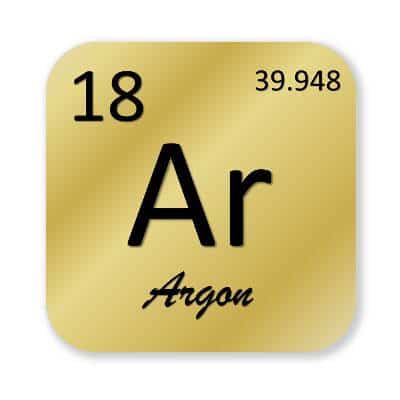
Argon makes up close to 1% of the air you're breathing right now. Manufacturers use argon because it's abundant, inexpensive and completely inert. It's the same element that fills fluorescent lighting.
The gas is odorless and non-flammable. It won't cloud your glass, react with the seal or feed a fire. Low cost turned argon into the default fill for energy efficient replacement windows.
How Argon Gas Is Sealed Between Your Window Glass Panes
Argon isn't sprayed on or added after installation. The factory drills two small holes in the spacer bar between the panes, then pumps argon through one while lighter air escapes the other.
Both holes are then plugged and the unit is sealed permanently. Gas filled windows are a factory product, not a weekend upgrade.
The Everyday Benefits of Argon Gas Filled Windows at Home
Argon is roughly 38% denser than air. That single property drives every benefit below.
Lower Heating and Cooling Bills in a Midwest Climate
Dense gas conducts heat poorly, so less warmth escapes in January and less heat pushes in during July. Your furnace and air conditioner cycle less often.
Across Illinois, Wisconsin, Indiana, and Iowa, where winter runs long, a full replacement typically returns $100 to $150 a year. The colder the climate, the faster argon earns its keep.
Quieter Rooms and Softer Noise From Outside Traffic
Sound travels through gas much the way heat does. The argon layer acts as a cushion, dampening vibration before it reaches your inside pane.
Argon alone won't silence a highway. Combine it with thicker glass and a wider spacer and traffic, lawn equipment and barking dogs fade into the background.
Less Condensation, Frost and Fading on Your Furniture
Argon molecules drift slowly, which limits heat transfer across the glass. Your inside pane stays warmer, so room moisture stops collecting along the bottom edge.
Sealed argon units also resist ultraviolet rays, so rugs, curtains and hardwood hold their color years longer.
Pairing Argon With Low-E Glass for Even Better Results
Low e argon gas windows are the standard efficiency package for good reason. A microscopic metallic coating reflects radiant heat while the gas fill blocks conduction.
Argon plus low-e glass reaches a higher R-value than either delivers on its own, so ask for both with every window you replace.
Argon Filled Windows Compared to Air Filled Windows
Argon is roughly 38% denser than air, and that difference is what makes it useful between window panes. Denser argon slows heat transfer through the glass, helping keep indoor temperatures more comfortable and reducing the workload on your heating and cooling system.
An air-filled double pane unit delivers an R-value between 2.0 and 4.0. Swap that air for argon and the identical unit climbs toward R-6.
Does Argon Gas Leak out of Windows and How Long Does Argon Gas Last?
Every sealed unit gives up a trace of gas each year. On a properly sealed window, there's about 10% loss of argon gas over the course of 20 years, small enough that you'll never feel it.
Damaged seals tell a different story. A failed seal lets argon escape and humid air move in, and efficiency drops quickly.
How to Check Whether Your Windows Still Hold Argon Gas
Three checks tell you where your sealed units stand:
- First, determine if your window had argon to start. Run a finger along the spacer bar at the edge. Two small, plugged holes mark a unit that left the factory gas filled.
- Look through the glass on a cold morning. Fog, haze or frost trapped between the panes points to a failed seal.
- Book a professional with a gas meter. It's the only way to measure exactly how much argon is left inside.
Argon Gas Windows Pros and Cons
The pros have already been outlined, from energy savings and comfort benefits – but are there any cons? Argon doesn't expand. When summer heat swells the frame and glass, the gas between the panes stays put, and that mismatch stresses a weak seal.
You also can't confirm the fill by eye. Buy from an window company who backs the seal with a real warranty.
Argon vs. Krypton and the Blended Gas Alternative
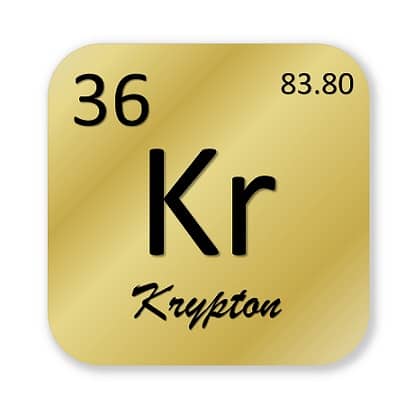
Krypton is denser, so it insulates better in the narrower cavities of premium triple pane windows. Argon does its best work in a 1/2-inch gap. Because krypton is scarce, it carries a much heavier price tag.
Here's how the four fills compare:
| Gas Fill | R-Value | Ideal Pane Gap | Added Cost |
|---|---|---|---|
| Air | R-2 to R-4 | Any spacing | None |
| Argon | About R-6 | 1/2 inch | $30 to $40 per window |
| Krypton | About R-7.6 | 1/4 to 3/8 inch | Significantly higher |
| Argon-krypton blend | Between the two | Either spacing | Moderate premium |
An argon and krypton blend splits the difference, handing you part of krypton's performance at a cost much closer to argon.
Double Pane and Triple Pane Argon Windows Compared
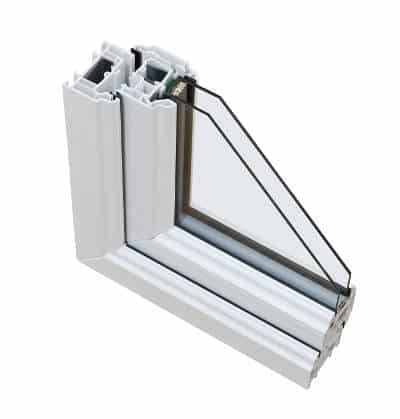
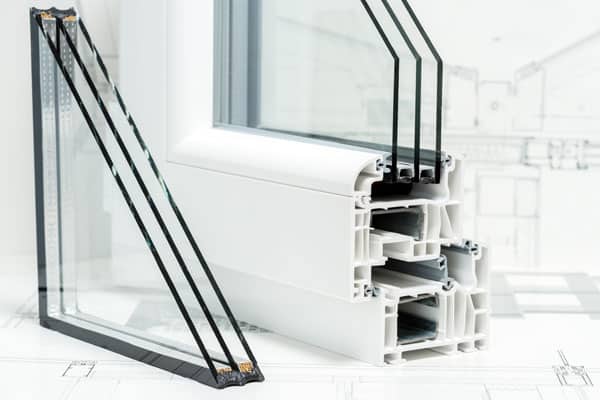
Double pane windows hold one argon chamber between two sheets of glass. Triple pane windows add a third sheet and a second chamber, pushing R-values into the 5 to 8 range.
Triple pane costs more and weighs more, but for most Midwest homes, double glazed windows with argon gas and a low-e coating hit the sweet spot.
What Argon Windows Cost and How Fast They Pay You Back
At first glance argon gas windows are actually $30 to $40 more expensive per opening, a rounding error on a whole-home replacement.
Lower heating and electric bills recoup the $30 to $40 within a few months. Across a 20 year lifespan, the value of argon gas windows lands far above what it added to the invoice.
Replace Your Windows With Feldco's Argon Filled Glass
Feldco has installed over 1.5 million windows for more than 500,000 Midwest homeowners. Every vinyl replacement window is built for our changing seasons, with argon filled, low-e glass.
Get your free window quote today, or browse the full lineup of vinyl replacement windows.
FAQs About Argon Gas in Windows
What does argon gas do in windows?
Argon gas slows heat transfer, helping windows improve energy efficiency and insulation.
Is the argon gas inside windows dangerous to your family?
No. Argon is non-toxic and non-flammable, and a cracked pane simply releases it into the room, where it disperses harmlessly.
Do all double pane windows have gas sealed inside them?
No. Budget double pane units often contain plain air, so check the product spec sheet for a stated gas fill before you buy.
What are the signs that argon has leaked from a window?
Fog or haze between the panes is the clearest signal. Winter frost on the inside glass and a climbing energy bill usually follow.
Can argon gas be refilled in windows that already leaked?
A glass professional can refill argon gas in older windows by injecting it through the spacer. When the seal itself has failed, replacing the sealed unit is the smarter fix.
Is producing argon gas for windows bad for the environment?
Argon is separated from ordinary air as a byproduct of oxygen and nitrogen production, so it carries no greenhouse impact of its own.


 866-4FELDCO