


Summary: Steel leads every other entry door material in security, weather resistance, and energy performance, carrying close to five times the insulating factor of solid wood. The disadvantages of steel doors come down to three things: denting, rust where paint has chipped, and a higher purchase price. For most homes that trade favors steel, and touch-up paint covers nearly all of its upkeep.
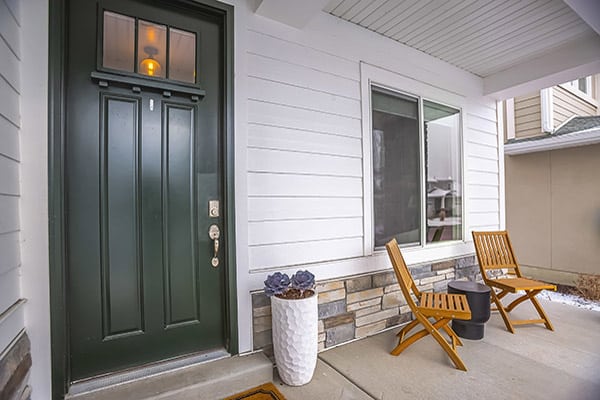
Different Types of Entry Doors
Residential entry doors come in a handful of common materials. Before we get into the pros and cons of steel doors, here’s a quick walk-through of the primary options and their key characteristics.
Wood
A true classic, wooden doors have been a staple of human structures for ages. One standout feature is the aesthetic; wood can be incredibly attractive. These doors are also highly customizable, offering a wide range of options. They are, however, susceptible to warping over time, especially in humid environments.
Wood also needs frequent upkeep to hold that fresh look. Out of every material here, it’s the least energy efficient.
Fiberglass
Constructed out of a synthetic composite material, fiberglass doors provide a cost-effective and highly energy efficient option. They’re also quite strong and sturdy. Over time, with steady exposure to sunlight, the color can fade. See how fiberglass and steel entry doors compare on cost, durability and upkeep.
Aluminum
Like steel, these doors use a fully metal construction. One of the chief benefits of aluminum is low upkeep. It’s a weaker metal than steel, though, and the less secure of the two options.
Vinyl
Vinyl is the most budget-friendly choice for an entry door. It also ranks as a low-maintenance selection. Style and appearance options are limited next to other materials, which can narrow your choices.
Steel
Steel entry doors offer the most strength and durability of every material here, and they sit at the premium end of the category. The look ranges from clean, simple slabs to french steel doors with slim frames and large glass panels. We’ll take a closer look at the advantages of steel doors below.
Steel Entry Door Advantages
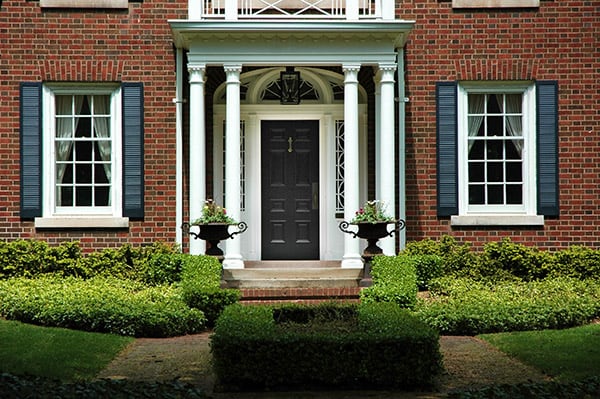
Here’s what makes this material stand out. The benefits of steel doors show up across five areas: efficiency, security, longevity, safety, and upkeep.
Energy Efficiency
One of the main jobs of an entry door is controlling how much energy your house holds onto. Construction makes a big difference here.
Steel is a superb option for keeping conditioned air inside. Testing shows it has close to five times the insulating factor of a purely wooden door, which is a considerable gap.
A few features drive that performance. Each steel entry door is filled with high quality insulated foam, applied through a precise process for maximum results. Joints and connections are sealed with high-grade thermal adhesives.
Quality weatherstripping around the frame finishes the job by blocking drafts at the perimeter. Together these details turn a highly conductive metal into a powerhouse for energy retention and savings.
Security of Steel Doors
When you think of steel, strength is one of the first traits that comes to mind. That instinct is correct. Steel entry doors are immensely strong and enduring.
Vinyl, and to a lesser extent aluminum, have a weaker composition that can give way when serious force is applied. Steel is a stalwart material that gives your family the highest level of protection; it even beats the time-trusted reliability of solid wood.
Steel Door Durability
Steel entry doors are some of the longest-lasting products on the market. They’re built to withstand the elements and provide years of steady service. Most are manufactured using 20-26 gauge steel, which is sturdy and reliable.
Wooden slabs tend to warp and distort as humidity shifts. Steel never has that problem, no matter the moisture content of the air. It also handles weather better than any other entry option, standing up to fierce rain storms and gusting wind.
Fire Resistance and Sound Control
Steel is naturally fire-resistant, so it slows the spread of flames into your living space. That’s a layer of safety wood can’t match.
The soundproofing capabilities are strong too. An insulated core absorbs traffic noise, barking dogs, and howling wind before any of it reaches your entryway.
Low Maintenance with Steel Doors
The maintenance requirements are refreshingly light. Touch-up paint after any active damage is really the only task on the list. That puts steel among the lowest-upkeep entry doors you can buy.
Steel Door Disadvantages
There are only a handful of drawbacks of installing a steel door. These are the common problems with steel doors over time:
- Denting and rust: steel won’t warp, but it can dent when something strikes it. If paint chips away at the dent, rust forms once bare metal meets moisture in the air.
- Price: steel sits at the upper end of the price spectrum. With this many features, that placement makes sense.
- Not cut to fit: wood can be trimmed, planed, and sanded to match any frame, and steel can’t. That’s a non-issue for openings sized correctly for the slab you buy, but it gets tricky when you’re swapping into an existing frame.
Most issues with steel door surfaces are cosmetic and fixable with paint. Weigh them against the steel door advantages above before you rule the material out.
Entry Door Replacement
Are steel front doors good for home security and everyday comfort? For most residential entryways, yes. A steel slab is a good investment that pays you back in protection, energy savings, and minimal upkeep.
More than 500,000 homeowners have chosen Feldco for their home improvement needs, and our reviews stay strong across the Midwest. Speak to a product specialist about our steel doors and get a free quote online today.
FAQs
Are Steel Doors More Energy Efficient Than Wood Doors?
Yes. Steel carries close to five times the insulating factor of a purely wooden door, thanks to its foam core and thermally sealed joints.
How Long Do Steel Doors Typically Last?
A properly installed steel entry door serves for 30 years or longer. Keeping the paint intact is what protects that lifespan.
Are Steel Doors Insulated?
Yes. Quality steel entry doors are filled with high quality insulated foam, which is exactly why they perform so well against heat loss.


 866-4FELDCO