


Summary
Spray paint is easiest to remove within the first 24 to 48 hours, before it fully cures. Fresh tags usually lift with dish soap, a 50/50 vinegar solution, or rubbing alcohol. Cured or oil-based paint needs acetone, a graffiti remover, or a stripper, which also takes off the base coat and means a touch-up afterward. Steel doors can handle pressure washing at around 1,200 PSI. Aluminum calls for a plastic scraper and citrus gel instead of heat guns or wire brushes, and wood is best scraped and sanded with the grain.
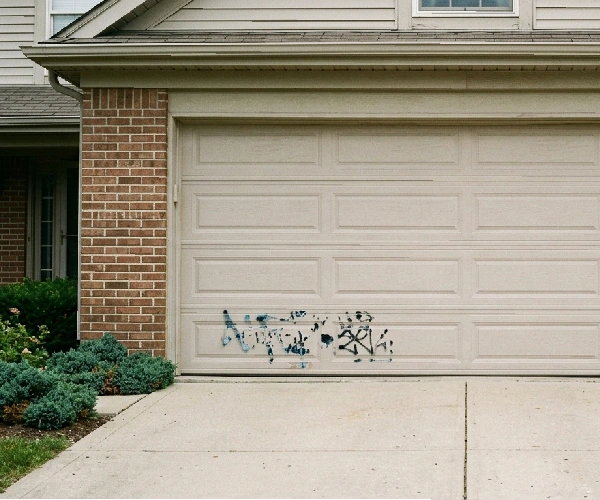
Fast Action Within 48 Hours Makes Removal Far Easier
Spray paint keeps curing for days after it lands. Knowing how to remove paint from garage door surfaces matters most in the first 24 to 48 hours, while the film is soft. Wait a week and you'll reach for solvents instead of soap.
Fast cleanup also discourages taggers. Graffiti that vanishes overnight isn't worth their time.
Prep Work and Safety Gear That Protect You and the Door
Lay a drop cloth along the base of the door to catch chips and drips. That single step keeps this a technique without making a mess of your driveway.
Wear nitrile gloves, goggles, and a respirator before opening any stripper. Test every product on a hidden corner first.
Identify the Paint Type and the Surface Underneath It
Water-based color lifts with soap and warm water alone. Oil-based enamel needs a solvent, so check the can if one was left behind.
Your door matters just as much. Baked-on polyester finishes on steel shrug off mild cleaners, while wood and vinyl surrender fast.
The Best Weather Window for Stripping Paint Outdoors
Work between 60 and 80 degrees on a dry, overcast day. Strippers flash off too fast in direct sun and barely activate below 50 degrees.
Skip windy afternoons, since gusts carry solvent onto siding and plants. No rain should be due for six hours.
6 Simple Tips to Remove Spray Paint From Your Garage Door
The best way to remove paint from garage door panels is to start gentle and escalate only when something fails. Test every option in a small spot first.
1. Household Cleaners and Detergents You Already Own
Store-bought removers can strip the finish underneath along with the tag. Reach for dish soap in warm water first, then scrub with a nylon brush.
If that stalls, try foaming oven cleaner. Let it sit 15 minutes, then rinse.
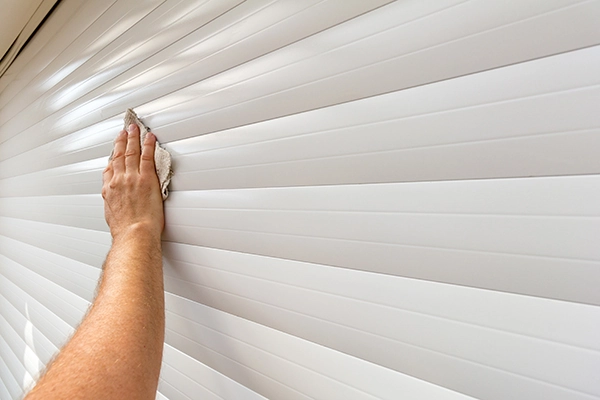
2. White Vinegar and Water for Low-Cost Paint Removal
Mix white vinegar and warm water in equal parts, then wipe it across the tag. Let the solution sit 10 to 15 minutes before scrubbing.
This trick works best on fresh, water-based color and non-metallic doors. Wear gloves and repeat on stubborn spots.
3. Paint Strippers and Graffiti Removers for Older Tags
Strippers and graffiti removers use solvents that swell the coating and break its grip. Both lift the base coat, so plan on touching up the color afterward.
Pick a product rated for your door's material and wait the full dwell time before rinsing.
4. Magic Eraser and Fine Sandpaper for Gentle Abrasion
A melamine foam pad like Mr. Clean Magic Eraser is essentially micro-fine sandpaper. It clears marks from metal and wood through tiny abrasion, with no chemicals.
Dampen the pad and work in small circles. Press too hard and you'll burnish the finish underneath.
5. Rubbing Alcohol, Acetone, and Steel Wool DIY Methods
Rubbing alcohol handles most fresh overspray and marker ink on metal. For oil-based tags, blend in a little acetone and wear latex gloves.
Dip a lint-free cloth, wring it out, and wipe until the spot lifts. Fine steel wool scrapes off the rest, but it scratches, so finish with polish.
6. Pressure Washing for the Quickest Whole-Panel Cleanup
A pressure washer is the quickest way to get spray paint off garage door panels made of steel. Start near 1,200 PSI with a 25-degree tip and stand two feet back.
Keep the spray moving and avoid seams, weatherstripping, and glass. Skip aged wood, since water drives pigment into the grain.
How to Strip Paint From Metal and Aluminum Garage Doors
Steel carries a baked-on coating tougher than most aerosol color. To remove paint from metal garage door panels, use the mildest cleaner that moves the tag.
Aluminum is softer and dents easily, so put the wire brushes away. A plastic scraper at a shallow angle plus a citrus-based gel clears it without dulling the finish.
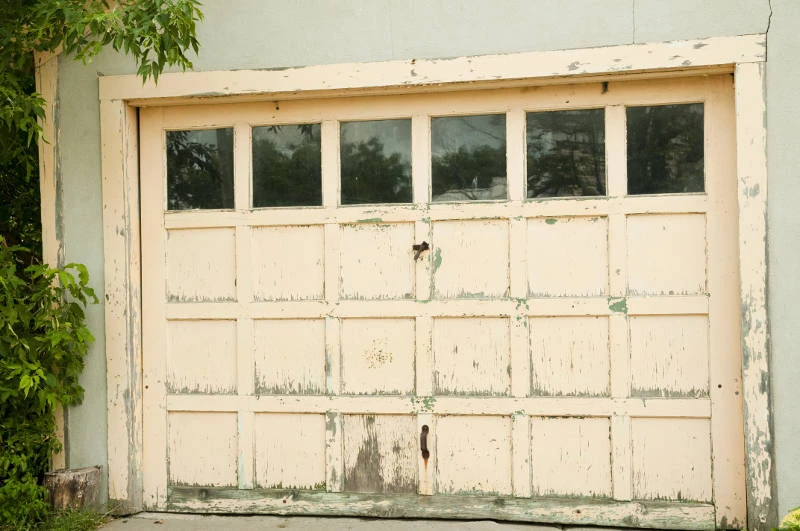
Removing Peeling and Sprayed Paint From a Wooden Door
Wood is the least forgiving surface here. Solvents soak into the grain, and aggressive sanding removes more than the topcoat.
Work through these steps in order:
- Hose the door down, scrub grime off with a nylon brush, and dry it.
- Spread a tarp at the base to catch falling chips.
- Scrape flaky paint loose with a putty knife, moving with the grain.
- Sand what's left with 80-grit paper, then smooth it with 120-grit.
- Rinse the dust away and let the wood air-dry before priming.
Leave well-bonded areas alone unless you're stripping the whole door. For carved panels, a wood-safe gel reaches where sandpaper can't and lifts layers of old paint from garage door repaintings.
How to Preserve the Paint on Your Garage Door Year-Round
Seal the surface once it's clean and dry, since a quality exterior sealer blocks the sun and moisture that loosen coatings. Metal doors also take automotive wax twice a year, but never wax wood or aluminum.
Lubricate tracks and hinges every few months. Smooth travel cuts the vibration that shakes finish loose.
Get a Free Quote on a New Garage Door From Feldco Today
Sometimes the coating isn't worth saving. A faded, dented, or badly peeling door costs less to replace than three weekends of scrubbing.
Feldco has served over 500,000 homeowners across Illinois, Wisconsin, Indiana, and Iowa since 1976, and replaced more than 100,000 doors along the way. Talk with a product specialist and get a free quote on your garage door replacement today.
FAQ
Are heat guns safe for removing paint from aluminum garage doors?
No. Aluminum conducts heat quickly and can warp before the coating softens. Use a chemical gel remover or light hand sanding instead.
Can I use vinegar to remove paint from a metal garage door?
Vinegar handles fresh, water-based overspray but rarely touches cured enamel on steel. It's mildly acidic, so rinse the panel completely to protect the factory finish.
What are the safest eco-friendly options for stripping exterior paint?
Soy-based and citrus-based gels dissolve coatings without methylene chloride or NMP fumes. They act slowly, often needing two to six hours, but won't harm pets or plants.
Should I sand a garage door or use a chemical stripper?
Sanding suits flat panels and small blemishes, while chemical stripping reaches grooves, molding, and layered buildup. Most full-door projects call for both.
How can a renter remove paint splatters without altering the door?
Stick to reversible options: dish soap, a melamine pad, or a plastic scraper at a shallow angle. Avoid strippers and sanding, and tell your landlord first.


 866-4FELDCO