


Winter weather can be picturesque, but for any homeowner, heavy snow can pose a serious risk to their roof and overall home safety. Knowing how to prevent a roof collapse from snow isn’t just about shoveling off what you see — it’s about understanding how snow load, structure, and maintenance all work together to protect your house.
Understanding Snow Load and Roof Safety
What Is Snow Load?
Snow load refers to the weight of snow on a roof — the amount of pressure that accumulated snow and ice exert on your roofing structure. The type of snow makes a big difference: wet, heavy snow weighs much more than light, powdery snow. For instance, just one foot of heavy, wet snow can equal several thousand pounds of weight pressing down on your home.
Why Snow Load Matters
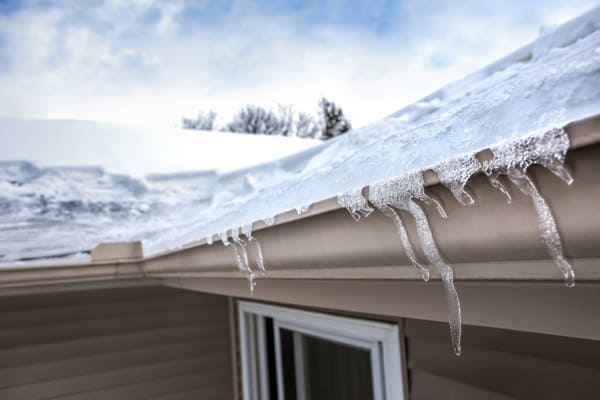
Too much snow can make a roof collapse, especially if the structure is older or already weakened by previous roof damage. When temperatures fluctuate, melting and refreezing can cause ice dams that add even more stress. Understanding snow load helps you know when your roof might be approaching a dangerous limit.
How to Assess Your Roof’s Vulnerability
Roof Type and Pitch
Not all roofs handle snow the same way. Flat or low-pitched roofs are far more likely to experience snow buildup than steep ones that naturally shed snow. Asphalt shingles, metal roofs, and other materials each have different tolerances to heavy snow. Homeowners in areas with harsh winters should check that their roof can handle the usual snow load.
Signs Your Roof Is Under Too Much Stress
Watch for warning signs that indicate your roof may be nearing failure:
- Cracking or popping sounds inside your home
- Sagging ceilings or bowed rooflines
- Water leaks or visible roof damage
- Doors or windows that suddenly stick
- If you notice these symptoms, act quickly to relieve pressure and avoid structural failure.
Preventive Measures to Protect Your Roof
Clear Snow Safely
Regular snow removal is one of the best ways to prevent a roof collapse from snow. Use a roof rake or hire professionals to clear snow evenly — avoid scraping too close to the surface, which could damage shingles. Never climb onto the roof yourself during icy conditions; the risk of injury outweighs the benefit.
Strengthen Roof Structures
If your house is older, have a contractor reinforce trusses, add bracing, or replace weak components. These updates can help your roof withstand greater weight of snow on roof conditions during extreme winters. Preventative reinforcement is far cheaper than repairing a collapsed roof later.
Professional Maintenance and Inspection
Schedule yearly inspections before winter. A roofing professional can identify weak points, leaks, or signs of wear that could worsen under snow load. Routine maintenance is essential for every homeowner in snowy climates.
What to Do If You Suspect Structural Damage
If you think your roof is sagging or unsafe, evacuate the area immediately and contact emergency services or a structural engineer. Never attempt to remove heavy snow yourself if there are visible cracks or interior stress marks. Acting quickly can prevent injury and limit costly roof damage.
Snow Load Reference Guide
Snow Load by Depth
- 6 inches of wet snow ≈ 20 pounds per square foot
- 12 inches of wet snow ≈ 40 pounds per square foot
- 12 inches of light snow ≈ 10 pounds per square foot
Snow Load by Weight
A single cubic foot of wet snow can weigh up to 20 pounds. On a 1,000-square-foot roof, that’s roughly 20,000 pounds of pressure — enough to make a roof collapse if it’s not built or maintained properly.
FAQs About Snow Load and Roof Safety
How much snow on the roof is too much?
It depends on your roof’s structure, but typically more than 20 pounds per square foot of snow load can become dangerous. When in doubt, have a professional assess the buildup.
Does home insurance cover roof collapse from snow?
In many cases, yes — home insurance covers roof collapse from snow if it results from sudden and accidental causes, not neglect. It's important to know all the details of your policy.
What does it mean if snow stays on your roof?
If snow lingers for days without melting, it may indicate poor insulation or inadequate ventilation. It can also signal uneven heat loss, which increases the risk of ice dams and roof damage – especially if you don’t get rid of ice dams in gutters.
Do roof snow guards work?
Yes. Snow guards help control the release of snow and ice, preventing sudden slides that can damage gutters or injure people below. They’re particularly helpful for metal roofs in heavy snow regions.
Additional Resources and Government Safety Guidance
For authoritative guidance, refer to the Massachusetts Department of Public Safety’s information on roof collapse and snow removal safety. This resource provides important insight into identifying risks early and maintaining safety during severe winter weather.
If you’re worried about your roof—whether due to snow or anything else–it’s best to have it inspected. Your roof protects your entire home, so rely on professionals for a proper assessment. Our team at Feldco has been a trusted home-renewal company since 1976, offering free estimates for roof replacement as well as windows, siding, and doors. Contact us today to get a free quote.


 866-4FELDCO