
How to Get Rid of Ice Dams on Roofs and Gutters Safely

An ice dam is defined as a build-up of ice that gathers on the eaves of sloped roofs. Ice dams on gutters result from melting snow over a heated building reaching the eave and freezing. This freeze–thaw cycle causes ice to grow thicker and heavier over time.

Though ice dams can look picturesque with icicles on a house or ice hanging from the roof, they are hard on your home. Ice can damage gutters, loosen shingles, and force water under the roof, leading to interior leaks.
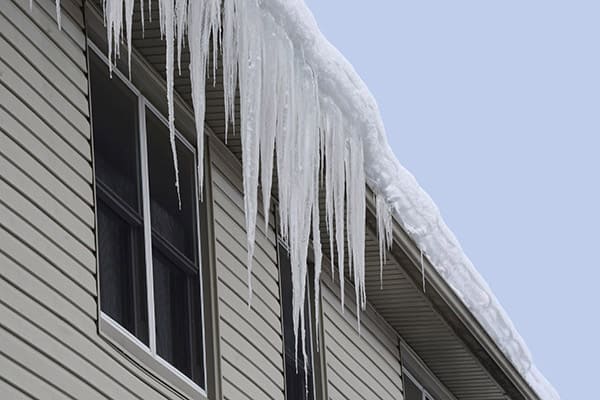

Gutter Ice Dams Hanging From Gutters

Ice dams form due to uneven roof temperatures. Heat escaping from the home melts snow higher on the roof, while colder eaves cause the water to refreeze. This imbalance is the main cause of ice dams, including on an ice dam flat roof.

Effects of Ice Dams and What Causes Ice Dams

Ice dams trap melting snow on the roof, allowing water to seep under shingles and cause leaks, mold, and structural damage. The heavy weight of ice can also bend or detach gutters and create falling ice hazards.

Ice dams are typically caused by:

  • Heat loss from the home
  • Poor attic insulation or ventilation
  • Heavy snowfall followed by freezing temperatures

When melted snow refreezes at the roof edge, repeated freeze–thaw cycles make ice harder to remove from the roof and increase the risk of damage.

5 Ways to Get Rid of Ice Dams from Gutters

Therefore, you should take steps to prevent ice dams from building on your gutters. Homeowners use these five proven methods to remove ice from a roof safely and effectively.

#1 Rake the Roof

Many homeowners start by chipping ice from gutters with a hammer or chisel, but this method can damage your home and is strongly discouraged. Trying to break up an ice dam on a roof with sharp tools can damage shingles, puncture roofing materials, and create serious safety risks.

A roof rake is the safest hand tool for clearing snow. Its long aluminum handle lets you safely remove snow from roofs and gutters—no ladder needed. Models with wheels glide over shingles without scraping or tearing them.

Raking snow is one of the best ways to remove ice dams before they fully form. By removing excess snow, you reduce meltwater and help maintain a more consistent roof temperature. This method often works best to prevent ice dams before they become a major problem.

#2 Introduce Cold Air

Ice dams are created on gutters when hot air from inside your home rises through the roof. This heat causes snow to melt until it reaches the colder gutters and eaves.

Eaves are unheated and exposed, making them ideal freezing points. As dripping water refreezes over time, ice layers build up. One effective quick fix is introducing cold air into the attic.

If you have attic access, you can position a box fan to blow cold air toward the underside of the roof. This temporarily lowers roof surface temperatures and can slow or stop active leaking. Using cold air is not a long-term solution. However, it can help reduce the problem until you can get professional ice dam removal.

#3 Get Inventive with Deicer

Salt is well known for melting ice, but it can be extremely damaging to shingles, metal flashing, and landscaping. A safer alternative for roofs is calcium chloride ice melt. This is less corrosive and more effective at lower temperatures.

Some people use a more creative approach called the nylon method. This involves filling nylon stockings with calcium chloride ice melter, then laying them across the ice dam. This allows the deicer to slowly melt channels through the ice, giving trapped water a path to drain.

If you prefer not to climb ladders, a long-handled rake can help place the stocking. Experts suggest this method to help homeowners remove ice dams without damaging their roofs.

#4 Roof Heated Cables

Roof heated cables are one of the most effective long-term solutions for preventing ice dams. These cables warm critical areas of the roof and gutters, allowing snowmelt to drain properly before refreezing.
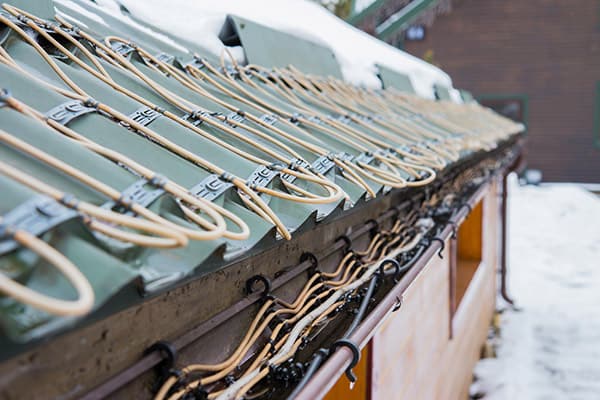

Electric Roof Heated Cables For Deicing The Roof And Gutters

Heated cables typically cost between $50 and $100 for spot installations. Full-perimeter installations may cost $600–$900 depending on roof size. These cables are especially useful in problem areas and on homes prone to recurring ice dam flat roof issues.

Homeowners should install heated cables before winter and position them in a zigzag pattern. Although heated cables use electricity, they are a good investment for preventing ice buildup on your roof.

#5 Improve the Dynamics of Eaves

As previously mentioned, eaves are where ice dam problems begin. The goal is to keep the entire roof at a consistent temperature.

Improving attic insulation, sealing air leaks, and increasing ventilation can dramatically reduce ice dam formation. Ridge vents combined with continuous soffit vents allow cold air to circulate evenly.

Make sure to vent exhaust ducts from kitchens, bathrooms, and laundry rooms outside, not into the attic or soffits. Sealing attic hatches, insulating ducts, and caulking around openings can reduce heat loss. This also helps prevent ice dams moving forward.

How to Prevent Ice Dams Long-Term

Preventing ice dams is far easier than figuring out how to remove ice dams on your roof after they form. The most effective strategies combine multiple approaches:

  • Heated Cables: Prevent freezing at eaves and gutters
  • Removing Existing Ice Dams: Use roof rakes, ice melt for roofs, or professional services
  • Apply Cold Air: Temporary emergency control
  • Use a Roof Rake: Safely manage snow build-up
  • The Nylon Method: Controlled melting with calcium chloride deicer

Together, these strategies help homeowners get ice off a roof safely while minimizing damage.

Get Rid of Ice Dams on Your Gutters

Though icicles may look beautiful, they are destructive and dangerous. Ice hanging from roof edges and gutters can cause serious damage and injury. Taking proactive steps to get rid of ice on a roof protects both your home and everyone around it.

Replace Your Gutters at Feldco

Your gutters won’t last forever. Over time, cracks, rust, mold, and repeated ice damage weaken their performance. In the Midwest, harsh winters make durable gutters essential.

At Feldco, we specialize in protecting homes with high-quality windows, siding, doors, and aluminum gutter systems designed to handle extreme weather. If ice dams have already taken a toll, now is the time to speak with a product specialist and get a free quote online today.

Get started with a FREE QUOTE


Get a free, no-obligation quote by filling out the form below.

Enter your full name
Enter your email
Enter your phone number
Enter your zip code
If you have a promo code, enter it here


*View our privacy policy


Or call us at 1-866-4FELDCO
or visit one of our locations


Privacy Policy
Promotional Details
Terms of Use
SMS Terms & Conditions

Copyright © 2026 Feldco


NARI Partner Logo
Dealer of the Year
Lead Safe Certified Firm
OSI Certified Installer
Home Advisor Approved
Energy Star
Owens Corning Platinum Contractor

How to Get Rid of Ice Dams on Roofs and Gutters Safely

An ice dam is defined as a build-up of ice that gathers on the eaves of sloped roofs. Ice dams on gutters result from melting snow over a heated building reaching the eave and freezing. This freeze–thaw cycle causes ice to grow thicker and heavier over time.

Though ice dams can look picturesque with icicles on a house or ice hanging from the roof, they are hard on your home. Ice can damage gutters, loosen shingles, and force water under the roof, leading to interior leaks.


Gutter Ice Dams Hanging From Gutters

Ice dams form due to uneven roof temperatures. Heat escaping from the home melts snow higher on the roof, while colder eaves cause the water to refreeze. This imbalance is the main cause of ice dams, including on an ice dam flat roof.

Effects of Ice Dams and What Causes Ice Dams

Ice dams trap melting snow on the roof, allowing water to seep under shingles and cause leaks, mold, and structural damage. The heavy weight of ice can also bend or detach gutters and create falling ice hazards.

Ice dams are typically caused by:

  • Heat loss from the home
  • Poor attic insulation or ventilation
  • Heavy snowfall followed by freezing temperatures

When melted snow refreezes at the roof edge, repeated freeze–thaw cycles make ice harder to remove from the roof and increase the risk of damage.

5 Ways to Get Rid of Ice Dams from Gutters

Therefore, you should take steps to prevent ice dams from building on your gutters. Homeowners use these five proven methods to remove ice from a roof safely and effectively.

#1 Rake the Roof

Many homeowners start by chipping ice from gutters with a hammer or chisel, but this method can damage your home and is strongly discouraged. Trying to break up an ice dam on a roof with sharp tools can damage shingles, puncture roofing materials, and create serious safety risks.

A roof rake is the safest hand tool for clearing snow. Its long aluminum handle lets you safely remove snow from roofs and gutters—no ladder needed. Models with wheels glide over shingles without scraping or tearing them.

Raking snow is one of the best ways to remove ice dams before they fully form. By removing excess snow, you reduce meltwater and help maintain a more consistent roof temperature. This method often works best to prevent ice dams before they become a major problem.

#2 Introduce Cold Air

Ice dams are created on gutters when hot air from inside your home rises through the roof. This heat causes snow to melt until it reaches the colder gutters and eaves.

Eaves are unheated and exposed, making them ideal freezing points. As dripping water refreezes over time, ice layers build up. One effective quick fix is introducing cold air into the attic.

If you have attic access, you can position a box fan to blow cold air toward the underside of the roof. This temporarily lowers roof surface temperatures and can slow or stop active leaking. Using cold air is not a long-term solution. However, it can help reduce the problem until you can get professional ice dam removal.

#3 Get Inventive with Deicer

Salt is well known for melting ice, but it can be extremely damaging to shingles, metal flashing, and landscaping. A safer alternative for roofs is calcium chloride ice melt. This is less corrosive and more effective at lower temperatures.

Some people use a more creative approach called the nylon method. This involves filling nylon stockings with calcium chloride ice melter, then laying them across the ice dam. This allows the deicer to slowly melt channels through the ice, giving trapped water a path to drain.

If you prefer not to climb ladders, a long-handled rake can help place the stocking. Experts suggest this method to help homeowners remove ice dams without damaging their roofs.

#4 Roof Heated Cables

Roof heated cables are one of the most effective long-term solutions for preventing ice dams. These cables warm critical areas of the roof and gutters, allowing snowmelt to drain properly before refreezing.


Electric Roof Heated Cables For Deicing The Roof And Gutters

Heated cables typically cost between $50 and $100 for spot installations. Full-perimeter installations may cost $600–$900 depending on roof size. These cables are especially useful in problem areas and on homes prone to recurring ice dam flat roof issues.

Homeowners should install heated cables before winter and position them in a zigzag pattern. Although heated cables use electricity, they are a good investment for preventing ice buildup on your roof.

#5 Improve the Dynamics of Eaves

As previously mentioned, eaves are where ice dam problems begin. The goal is to keep the entire roof at a consistent temperature.

Improving attic insulation, sealing air leaks, and increasing ventilation can dramatically reduce ice dam formation. Ridge vents combined with continuous soffit vents allow cold air to circulate evenly.

Make sure to vent exhaust ducts from kitchens, bathrooms, and laundry rooms outside, not into the attic or soffits. Sealing attic hatches, insulating ducts, and caulking around openings can reduce heat loss. This also helps prevent ice dams moving forward.

How to Prevent Ice Dams Long-Term

Preventing ice dams is far easier than figuring out how to remove ice dams on your roof after they form. The most effective strategies combine multiple approaches:

  • Heated Cables: Prevent freezing at eaves and gutters
  • Removing Existing Ice Dams: Use roof rakes, ice melt for roofs, or professional services
  • Apply Cold Air: Temporary emergency control
  • Use a Roof Rake: Safely manage snow build-up
  • The Nylon Method: Controlled melting with calcium chloride deicer

Together, these strategies help homeowners get ice off a roof safely while minimizing damage.

Get Rid of Ice Dams on Your Gutters

Though icicles may look beautiful, they are destructive and dangerous. Ice hanging from roof edges and gutters can cause serious damage and injury. Taking proactive steps to get rid of ice on a roof protects both your home and everyone around it.

Replace Your Gutters at Feldco

Your gutters won’t last forever. Over time, cracks, rust, mold, and repeated ice damage weaken their performance. In the Midwest, harsh winters make durable gutters essential.

At Feldco, we specialize in protecting homes with high-quality windows, siding, doors, and aluminum gutter systems designed to handle extreme weather. If ice dams have already taken a toll, now is the time to speak with a product specialist and get a free quote online today.

Get started with a FREE QUOTE


Get a free, no-obligation quote by filling out the form below.

Enter your full name
Enter your email
Enter your phone number
Enter your zip code
If you have a promo code, enter it here


*View our privacy policy


Or call us at 1-866-4FELDCO
or visit one of our locations


Privacy Policy
Promotional Details
Terms of Use
SMS Terms & Conditions

Copyright © 2026 Feldco

NARI Partner Logo Dealer of the Year Lead Safe Certified Firm OSI Certified Installer Home Advisor Approved Energy Star Owens Corning Platinum Contractor
An unhandled error has occurred. Reload 🗙