


Summary
Mice move into garages for food, nesting material, hiding spots and warmth, and they slip in through gaps as small as a fingernail. Getting rid of them means removing food and nesting material, clearing clutter, sealing entry points with steel wool, caulk and weatherstripping, and catching any mice still inside with snap traps. Regular checks and safe cleanup of droppings keep them from coming back.
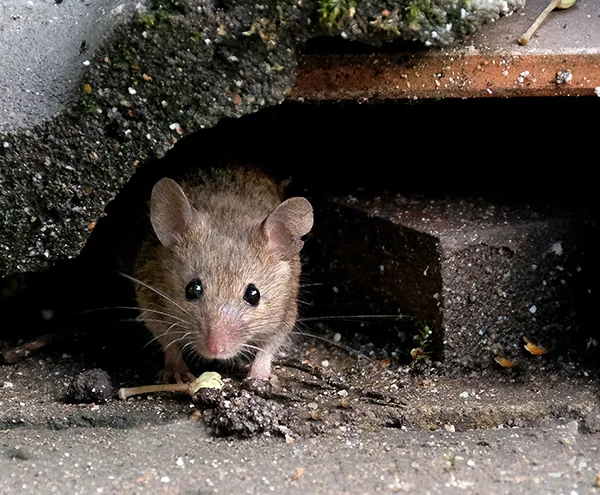
Your Garage Gives Mice Everything They Need to Move In
Your garage is more than a place to house your car. It's a workplace, an area for creativity and a place to store your well-invested equipment. The last thing you want to think about is mice in the garage and their tiny teeth chewing through exposed wires.
The fact is: mice love garages. They're easily accessible, make for great nesting grounds and offer food on the outside with shelter on the inside. If you're figuring out how to get rid of mice in garage spaces, start with what draws them in.
Holes and access points go unnoticed for some time, which is enough for an army of mice to set up camp. A garage mouse doesn't need much: a little food, some soft material and a gap to slip through. Like water, if there's a way in, these pests will find it.
Cut Off the Food Supply That Keeps Mice in Your Garage
You may not think twice about that extra fridge in the garage or opened bags of fertilizer, straw, grains or pet food, but the mice sure do. Rodents will stay as long as there's food to keep their bellies full and no need to hunt outside.
Mice don't just eat grass seed, birdseed and pet food; they'll also eat fertilizer, especially organic blends made with bone meal. Bags of grain and fertilizer are often flimsy, so small holes or tears are easy to overlook. To cut off the supply:
- Store grain, seed, fertilizer and pet food in sealed metal or thick plastic bins.
- Clean up anything that spills easily, like birdseed, right away.
- Check behind tables, under workbenches and beneath cluttered areas for spills.
Without food, mice lose one of their biggest reasons to shack up in your garage. As with any animal, a food source doesn't just attract them; it keeps them sticking around too.
Get Rid of Any Nesting Material Mice Use to Stay Warm
Mice love to build nests. Nesting lets them regulate their body temperature on colder nights and protects their young pups from predators, hidden in a mess of hay, grass and other materials. The sooner you rid your garage of the materials they build with, the sooner they'll pack up and vacate.
Where to Look for a Hidden Mouse Nest in Your Garage
If you're wondering how to find a mouse nest in your garage, look for shredded paper, droppings and a musky, ammonia-like smell. Nests are usually tucked into dark, quiet spots close to food, such as:
- Cardboard boxes, old blankets and seat covers
- Drawers, toolboxes and the backs of shelves
- Wall insulation and the space behind an extra fridge
- Engine bays of cars, mowers and snowblowers that sit unused
Garages collect things that should've been thrown away, like scraps of paper, loose straw and old packaging. When you find a mouse nest in garage boxes or corners, put on gloves, spray it with disinfectant and bag it up. Then toss anything else that could become new bedding.
Clear the Clutter So Mice Have Fewer Places to Hide
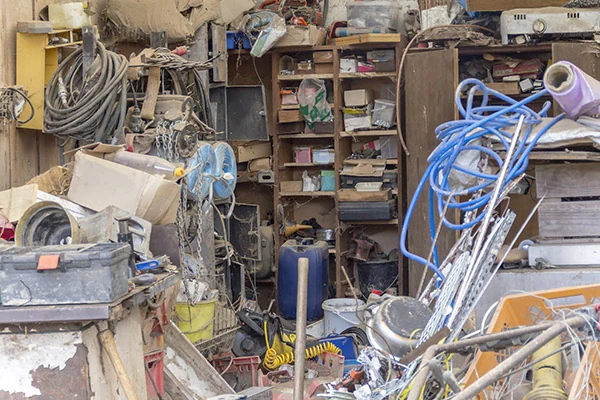
Garages tend to be cluttered with extra furniture, lawn care equipment, gas cans, tools and anything to do with the car. The more clutter you have, the more hiding spots you're providing for these furry little rodents. Stacks of boxes and piles of unsorted objects let them scurry, dart and burrow unseen.
Mice are nocturnal, so you're unlikely to spot them in the cracks and crevices at night. That's why most people don't notice rodents in garage storage until they find droppings or chewed boxes.
Tossing and organizing your garage's contents is a yearly spring chore anyway. Swap cardboard boxes for plastic bins and keep things on shelves so you can see along the walls. Combined with storing food and removing nesting material, cleaning your garage is an essential step toward keeping it mouse-free.
Seal the Deal: Close Every Entry Point Mice Use to Get In
Finally, ask yourself this: how are the mice actually getting inside? Gaps, holes and worn seals are some of the most common garage problems, and these critters take full advantage. They can squeeze through holes the size of a fingernail.
Common Entry Points Around Garage Doors, Walls and Vents
Most gaps sit low to the ground, where they're easy to miss. Walk the inside and outside of your garage and check these spots:
- Worn or cracked weatherstripping along the bottom of the garage door
- Gaps where the garage door meets the frame
- The seal and door sweep on an exterior service door
- Openings around vents, air conditioner lines and plumbing
- Cracks in the foundation and where the walls meet the slab
Seal Gaps With Steel Wool, Caulk and Rodent-Proof Weatherstripping
If your garage door weatherstripping is old and deteriorating, replace it with heavy-duty rubber or a rodent-proof seal lined with steel mesh. This keeps mice out and protects your garage from getting wet, an added bonus. For smaller holes in walls and around pipes:
- Pack the hole tightly with steel wool or copper mesh.
- Seal over it with caulk or expanding foam to hold the filling in place.
- Cover vents and larger openings with vent covers or metal hardware cloth.
Quick Tip
Fill holes with steel wool before you caulk. Mice can chew through caulk and foam on their own, but they won't get past the metal fibers.
Get Mice Out of Your Garage With Snap Traps, Not Poison
Sealing gaps stops new mice, but it won't remove the ones already inside. Snap traps are the safest, most effective way to get a mouse out of a garage. Poisoned mice often die inside walls or under stored items, and the bait can harm kids, pets and wildlife. Here's what to do instead:
- Bait snap traps with a small dab of peanut butter.
- Set them along walls and behind stored items, with the trigger end facing the wall.
- Check the traps daily and wear gloves when you empty them.
- Keep trapping until a full week passes without a catch.
Keep Mice Out of Your Garage With Regular Checks and Upkeep
Once you've removed food, nesting materials and clutter and sealed the exterior, your garage will be mouse-free. Keep checking even after you're sure the mice are gone, since catching rodents early saves you headaches later.
Bagging up food, cleaning messes off the garage floor, getting rid of trash and organizing to prevent clutter all stop mice from invading. They also keep your garage clean and usable.
In some cases, it's close to impossible to keep critters and drafts out of your garage if it's old and worn out. Cracked slabs, rotting frames and a warped door leave gaps that caulk can't fix for long.
A new garage gives you solid walls and a tight-sealing door from day one. As the Midwest's #1 home exterior company since 1976, we've built over 100,000 garages. Get a free quote to see what a fresh start would cost.
FAQs
Why do mice move into garages when it gets cold?
Field mice spend the warm months outdoors, then look for shelter when temperatures drop in fall. An attached garage offers warmth, food and nesting material, so it's often their first stop.
Are mouse droppings in the garage dangerous?
Yes. Droppings, urine and nests can spread diseases like salmonellosis and leptospirosis, and deer mice can carry hantavirus, which spreads when dried droppings get stirred into the air.
What's the safest way to clean up mouse droppings?
Wear rubber gloves, air out the garage for 30 minutes and soak the droppings with 1 part bleach to 10 parts water. After 5 minutes, wipe them up with paper towels, seal them in a bag and disinfect the area; never sweep or vacuum them.
What smells do mice hate?
Cotton balls soaked in peppermint or clove oil can repel mice near entry points for a short time. The scent fades within days, so use it as a backup to sealing and trapping, not a replacement.
How do I keep mice out of my car engine?
Drive your car regularly, since mice nest in vehicles that sit for days, and leave the hood up during longer storage. Keep food out of the garage and set snap traps near the tires.


 866-4FELDCO