


Hail can cause serious harm to a home. Beyond damaging your roof or objects in the driveway, a severe storm can leave significant hail damage on siding that many homeowners don't immediately notice. Because siding damaged by hail isn't always obvious at first glance, knowing what to look for — and what steps to take — is essential to protecting your home.
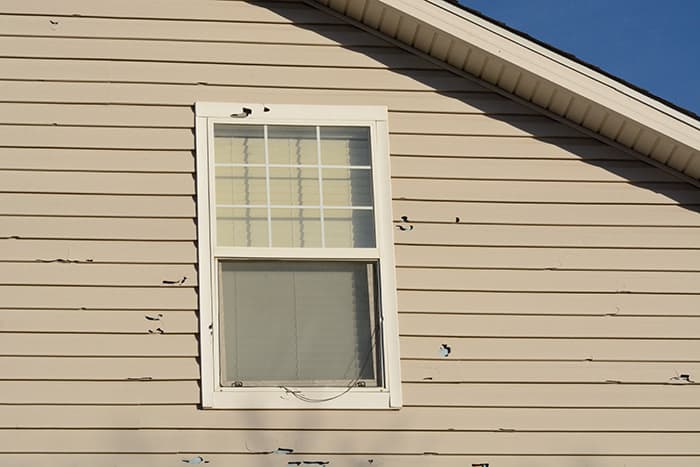
Below, we'll walk you through how to identify hail damage siding issues, how different materials are affected, and what siding damage solutions are available to you.
Why Identifying Hail Damage on Siding Matters
After a bad storm, most people focus on the obvious damage — a leaking roof, broken gutters, or downed tree limbs. They may call their insurance company to file a claim without realizing the roof wasn't the only part of the house that took a beating. If the roof was hit hard, chances are other areas like the siding were impacted too.
This is where many homeowners make a costly mistake. When filing an insurance claim, you need to mention every part of the home that was affected. The assessor will only evaluate what has been reported. If you fail to mention possible hail damage to your siding, you could miss out on coverage for those repairs entirely.
Before contacting your insurance company, do a thorough inspection of both the exterior and interior of your home. Confirm whether your siding shows any signs of storm damage so you can include it in your claim from the start.
What Does Hail Damage Look Like on Siding?
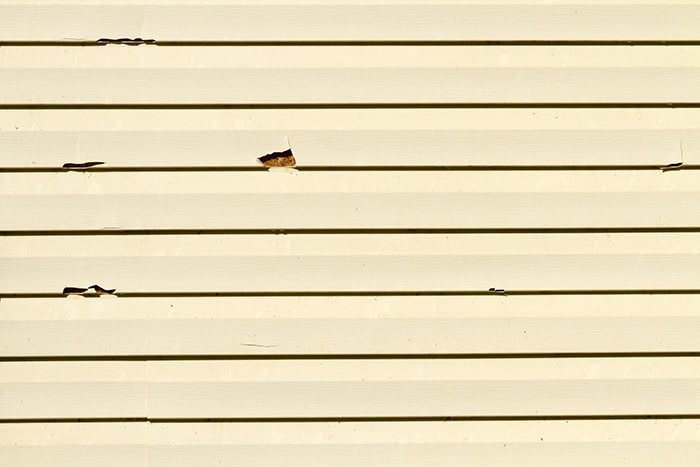
Some hail damage — or any weather-related damage — can be invisible to the untrained eye. Lighting conditions also play a role. If you're unsure whether a storm has affected your siding, inspect the perimeter of your home during early evening or midday. At these times, the sun won't cast harsh shadows, and there's still enough light to get a clear view of the surface.
The type of siding you have will also determine how damage shows up and how easy it is to spot.
Hail Damage to Aluminum Siding
Aluminum siding is one of the most susceptible materials when it comes to hail. While aluminum is resistant to cracking and holds up well against temperature changes, it dents easily. A child's ball can leave a mark — so imagine hundreds of hailstones hitting the surface at once. Hail damage to aluminum siding typically appears as clusters of small dents spread across the panels. Chipped paint is another common indicator. To make dents easier to see, try spraying the siding with a garden hose — water on the surface will reflect light and reveal damage that's otherwise hard to spot.
Hail Damage on Vinyl Siding
Hail damage on vinyl siding often looks different from aluminum. Instead of dents, you're more likely to see cracks, holes, or puncture marks where the hailstones made direct impact. Even if the damage appears minor, small holes can allow water to seep behind the panels. Over time, this moisture can lead to mold growth and structural issues inside your walls.
Hail Damage to Wood Siding
Hail damage to wood siding may show up as chipped or splintered areas, dents in softer wood species, or cracked paint and finish. Because wood is a natural material, any break in its protective coating exposes it to moisture, which can cause rot and further deterioration if left unaddressed.
Keep in mind that just because you don't see obvious problems doesn't mean your siding escaped unharmed. Hairline cracks and subtle surface damage can go unnoticed but still compromise your home's protection.
What to Do If Your Siding Is Damaged by Hail
If you notice — or suspect — damage, here are the steps you should follow:
1. Do a full assessment. Walk the entire perimeter of your home and inspect the siding, roof, gutters, and windows. Documenting damage to multiple areas at once will make the repair and insurance claim process more efficient.
2. Contact a reputable contractor. Look for a company that specializes in storm-damaged siding repair as well as roofing work. Since hail often affects both, working with one company that handles everything can save time and money. Ask for referrals and check reviews before committing.
3. Get a professional inspection even if damage isn't visible. An experienced contractor has the training to detect subtle siding damage that an untrained eye would miss. They can also recommend the right siding damage solutions based on the material and extent of the problem.
4. Don't leave damage untouched. Any holes or cracks from hail give water a path behind your siding. Moisture buildup leads to mold, rot, and compromised structural integrity. Each subsequent storm will only make existing damage worse — one crack can quickly lead to many more.
5. Don't attempt DIY repairs without experience. Some siding types may seem like an easy fix with the right tools, but materials like vinyl often require removing and replacing entire panels. Without proper training, you risk causing more damage. Leave it to a siding professional.
Take Action to Protect Your Home
Hail, rain, snow, sleet, and other severe weather events are real hazards for homeowners. Sometimes the damage is obvious; other times, it takes a trained eye to find it. If you suspect your siding has been affected by a storm, use the tips above to inspect your home — or contact a qualified contractor who can assess the situation and recommend the right course of action.
The sooner you address hail damage on your siding, the better you can protect your home from long-term problems like water intrusion, mold, and structural decay.
Go with the Midwest's Best for Siding Replacement
If you need to replace a section of siding — or your entire home's exterior — you can trust Feldco for the best product and service in the Midwest. Our high quality vinyl siding is impact resistant and built to stand the test of time.
Get a free quote today and join the over 500,000 homeowners who've trusted us with their home improvement projects.


 866-4FELDCO