


Summary
Garage siding ranges from affordable vinyl, metal, and concrete to long-lasting brick, stucco, and fiber cement. Steel log and engineered wood mimic natural timber with less upkeep than real lumber, which needs regular sealing. The best fit depends on your budget, climate, fire risk, and whether you’ll use the space as a living area.
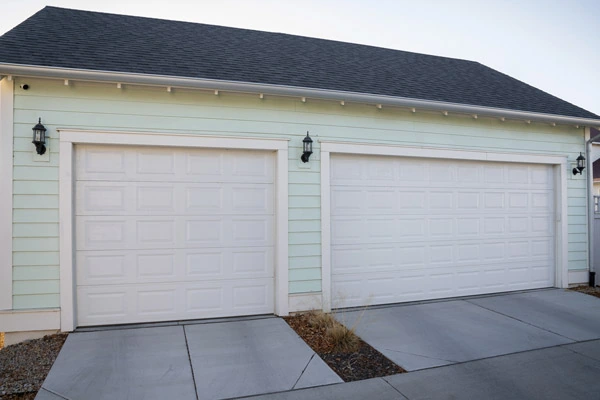
Start With Your Garage to Test New Siding Before the Whole House
If you’re considering new siding for your home, it’s a smart idea to start with your garage. It’s a smaller building, so you can see how a material looks in person before committing to the whole house.
You have more options than ever, from a seamless match with your house to a look that stands out. These garage siding ideas cover the best materials for your exterior walls, whether the structure is attached or detached.
Vinyl Siding: An Affordable, Low-Maintenance Choice for Garages
Vinyl siding has been the most popular exterior cladding among homeowners for decades. It now comes in more colors and styles than ever before, in horizontal or vertical profiles. It’s still affordable and durable, so don’t discount it for your garage if you’re on a tight budget.
Fiber Cement Siding: A Durable Wood-Look Option for Garage Walls
Fiber cement siding has the beautiful look of wood without the hassles that come with real boards. It’s extremely durable, lasts for decades, and resists water, pests, and fading, so your garage walls stay protected.
It’s available in many stains and colors, some that mimic true vintage shades. If you have a historic, Craftsman, or Shaker home, fiber cement lets your garage match its original look.
Steel Log Siding: A Storm-Resistant Log Cabin Look for Garages
Steel log siding gives your garage the look of a rustic cabin. It’s a great fit if you’re turning the space into a man cave or hangout. While the panels resemble real timber, they’re strong enough to withstand hurricane-force winds and the worst winter storms.
All you need to do to take care of it is rinse it with a garden hose once in a while. It’ll look great and last twenty years or more.
Stucco Siding: 50+ Year Lifespan and Added Insulation for Garages
Stucco is a classic choice that many homeowners prefer because of the clean and elegant look it gives a garage. If you maintain it properly, it’ll easily last 50 years or more, so you’ll only have to side the building once.
Modern stucco systems can include an extra layer of insulation to help regulate the temperature. That makes it a great fit for a garage you want to use as living space, since most garages don’t have their own HVAC system.
Metal Siding: Fireproof, Repaintable Panels for Garage Exteriors
Aluminum is an affordable, smart siding option for your garage. It’s easy to install, fireproof, weatherproof, and resistant to pests.
Because garage siding panels like these go up individually, you can replace a single one if it gets damaged. They also accept paint with very little prep work, so you can change the color as often as you want. Keep in mind that aluminum dents more easily than other materials.
Engineered Wood Siding: Wood-Look Garage Walls That Resist Warping
For the beauty of real timber on a garage that looks like an add-on to the home, engineered wood cladding is a fantastic choice. It’s more durable than traditional boards and resists pests, warping, and cracking.
This material is designed to be harder and tougher than regular lumber, and it’s better for the environment because it uses wood fibers efficiently. It’s also easy to install, which helps if you want your garage up to par quickly for living space or a home sale.
Brick Garage Siding: Durable Masonry That Needs a Pro Installer
Traditional brick siding is beautiful, durable, and never goes out of style, especially on garages next to vintage-style homes. Have someone with professional masonry experience install it so it lasts a long time. It’s hard to beat the curb appeal this classic material adds.
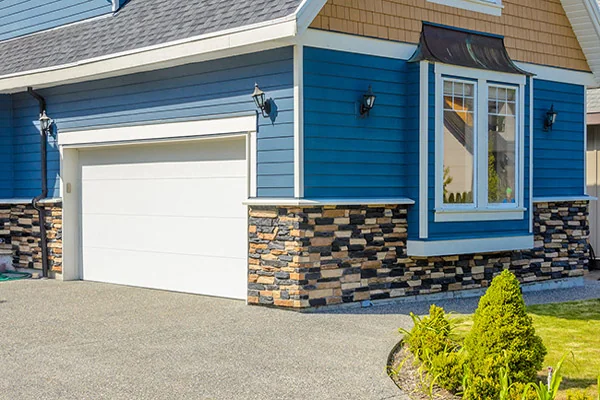
Concrete Siding: Affordable, Insulating Walls for Modern Garages
Concrete siding is a practical and affordable choice for a garage exterior. Its insulating properties keep the space temperate, which helps with energy efficiency if you’re turning it into a living area.
Concrete gives garages a modern but timeless appeal that’ll stay on trend for years. It’s highly durable, easy to install, and within reach even on a tight budget.
Real Wood Siding: Natural Garage Siding With Higher Maintenance
Real wood siding is a little controversial. It comes with some major drawbacks:
- It doesn’t last as long as other types of siding.
- It can become a haven for pests and insects.
- It’s a fire risk.
- It can fade, crack, and warp from sun, wind, rain, and snow throughout the year.
Homeowners still choose it because nothing beats the beauty of real wood. If your garage’s look matters more to you than durability and price, it’s worth considering. Just make sure you’re willing to keep up with its special maintenance needs.
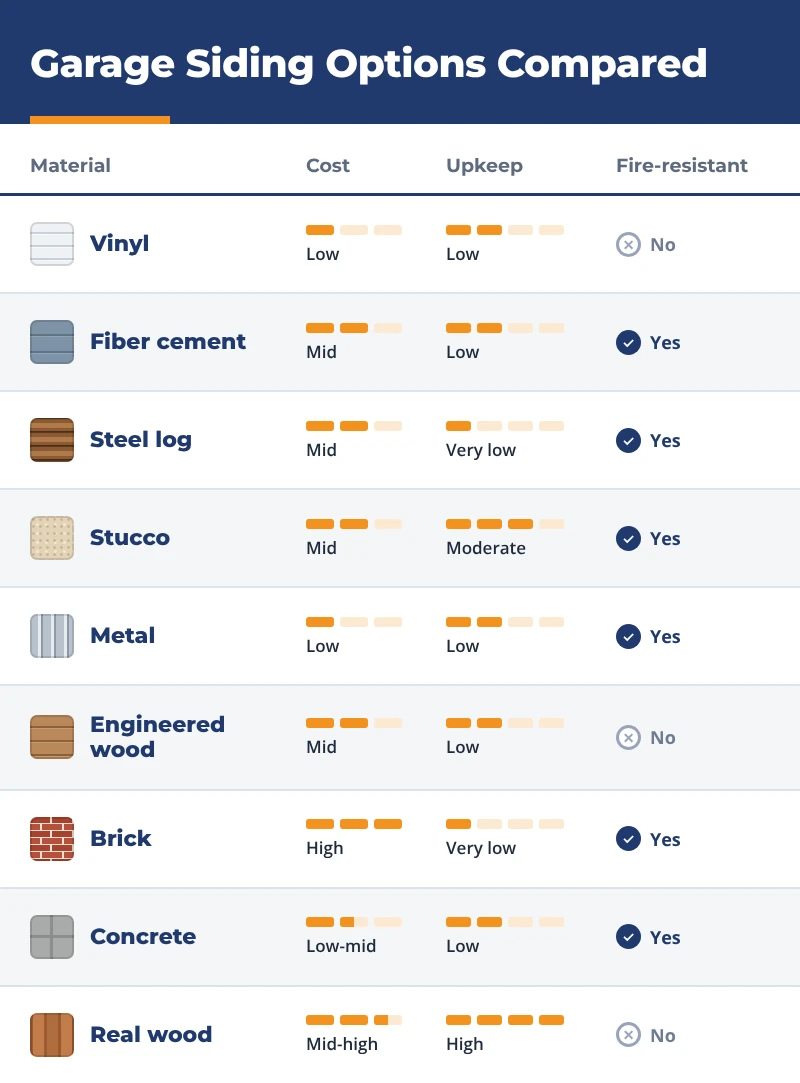
Best Siding for Garage Walls Compared by Cost, Upkeep, and Climate
The best siding for your garage comes down to your budget, your local weather, and how you use the space. On detached structures, brick, stucco, and fiber cement last the longest with the least risk of damage.
| Siding Material | Cost | Upkeep | Best For |
|---|---|---|---|
| Vinyl | Low | Low | Tight budgets |
| Fiber cement | Mid | Low | Craftsman and historic homes |
| Steel log | Mid | Very low | Rustic, cabin-style garages |
| Stucco | Mid | Moderate | Garages used as living space |
| Metal | Low | Low | Frequent color changes |
| Engineered wood | Mid | Low | A wood look that blends with the house |
| Brick | High | Very low | Classic curb appeal |
| Concrete | Low to mid | Low | Modern looks and energy efficiency |
| Real wood | Mid to high | High | Natural beauty |
Your climate narrows the options further. Here’s what holds up best:
- Wet climates: vinyl, fiber cement, brick, and steel shrug off moisture, while real wood needs regular sealing to avoid rot.
- Extreme cold: in an unheated detached garage, fiber cement, steel, and engineered wood handle freeze-thaw cycles well, while standard vinyl turns brittle and cracks more easily on impact.
Detached Garage Siding Ideas That Match Your Home’s Exterior
Your garage looks best when it feels like part of the house, not an afterthought. These ideas tie the two together:
- Repeat the house’s siding material and color for a seamless match.
- Pair vertical board and batten on the garage with horizontal lap siding on the house.
- Add a brick or stone wainscot along the bottom of the garage walls to echo masonry on the house.
Quick Tip
Pull at least one color from your house, like the trim or shutter color, if you don’t want an exact siding match; it ties the garage to your home without looking identical.
Building a new detached garage is the easiest way to get a perfect match, because you choose the cladding and style from day one. Feldco has built over 100,000 custom garages and has been the Midwest’s #1 home exterior company since 1976. If your house needs a refresh too, our team replaces siding as well. Get a free quote and design one around your property.
FAQs
Is vertical or horizontal siding better for a small garage?
Vertical siding, like board and batten, draws the eye upward and makes a small garage look taller. Horizontal panels feel more traditional and blend easily with a house that already has a lap profile.
Does replacing garage siding increase your home’s resale value?
Yes, mostly through curb appeal, since buyers notice a garage that looks fresh and matches the house. A garage-only job adds less value than re-siding the whole home.
Do you need a building permit to change your garage siding?
It depends on your city. Many require a permit for re-siding, especially when you switch materials or replace sheathing, so check with your local building department before work starts.
What’s the most fire-resistant siding for a garage?
Brick, stucco, fiber cement, metal, and concrete are noncombustible, which makes them the best choices in wildfire-prone areas. Vinyl melts and real wood burns, so skip both in those regions.
How do you prevent moisture and rot behind garage siding?
Install a weather barrier behind the panels, keep their bottom edge at least 6 inches above the ground, and seal gaps around windows, doors, and trim. Inspect caulk and loose pieces every spring, because water that gets under your siding leads to rot and mold.


 866-4FELDCO