


Summary
Rust on a steel garage door starts as reddish spots on the bottom panel, where road salt, melting snow, and standing water collect, and it spreads until it eats holes through the metal. Caught early, removal takes an afternoon and about $40 in white vinegar, steel wool, metal filler, and rust-resistant paint; left for a year, you're paying for a new bottom panel or a whole new door. Aluminum doors won't rust, though they still pit and stain.
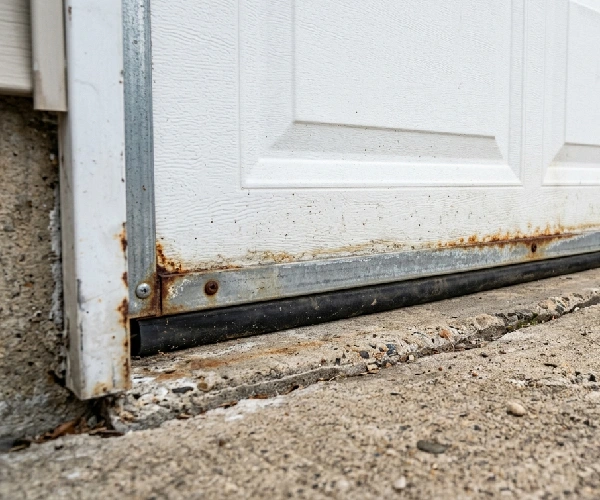
Warning Signs of Garage Door Rust You Should Never Ignore
Corrosion rarely announces itself. It creeps under the paint for months before the surface gives way, so inspect the bottom two feet of your door every spring.
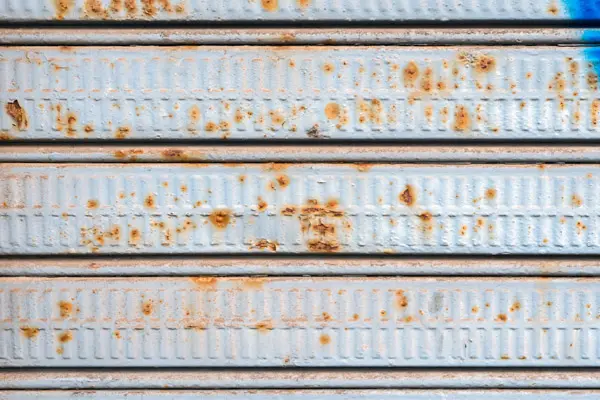
- Reddish or brown patches on the outer surface, usually along the bottom panel and the edges.
- Paint that bubbles, chips, or peels, which means corrosion is already working underneath.
- A door that sticks or jams, because rusted rollers and hinges can't move freely.
- Grinding or scraping sounds as the door travels up and down its tracks.
Any one of these means you should act this weekend, not next season. Rust spreads faster than most homeowners expect, and every week you wait adds work to the repair.
How to Remove Rust From a Garage Door in Four Simple Steps
You'll need white vinegar, steel wool, sandpaper from 120 to 400 grit, metal filler, primer, and exterior paint. Budget an afternoon for a small patch and a weekend for a full door.
Clean the Rust Off the Door's Surface Using White Vinegar
Soak a cloth in white vinegar and wipe down every rusted spot you found. The acid breaks the corrosion apart so it lifts away from the steel. If vinegar alone won't cut it, mix baking soda and water into a paste, spread it on the stain, then rinse after 30 minutes.
Finish by scrubbing with a steel-wool pad. Ease up on the pressure, since hard scrubbing strips the surrounding paint along with the oxidation. A commercial rust remover or spray-on converter handles stubborn patches and neutralizes whatever you can't scrub off.
Repair the Holes and Gaps That Rust Left in the Metal
Corrosion left alone eats straight through a panel. You don't have to replace the door over a few holes. Metal-bonding filler from any hardware store seals the gaps for a few dollars.
Let the filler cure fully, then sand the patch smooth with fine-grit paper and blend it into the panel. Wipe the dust away with a dry cloth before you go further.
Wash the Garage Door Before Any Paint Touches the Steel
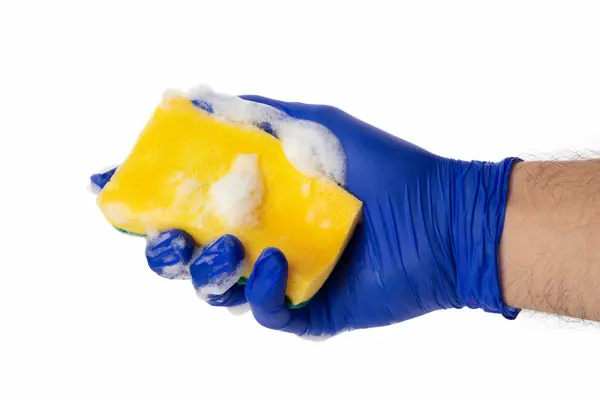
Mix mild soap with water, wash the entire door, then rinse it and pat it dry. Grease and grit stop paint from bonding, and anything left behind shows up as lumps in the finish. Give the surface at least an hour to dry completely.
Paint the Garage Door With a Rust-Resistant Primer and Finish
Prime first with a rust-resistant metal primer, then follow with rust-resistant exterior paint. Use a brush for small touch-ups and spray paint for the whole door. Rollers and brushes leave drips in the panel grooves and crevices.
Painting Tips That Keep a Garage Door Rust-Free for Years
- Prime before you paint, and apply two coats with full drying time between them.
- Paint in summer, since cold air stops the finish from curing the way it should.
- Check the forecast first, because rain will undo a fresh coat in minutes.
- Follow the door manufacturer's guidance on approved paints and application methods.
Common Causes of Garage Door Rust and How to Prevent It
Two things decide whether your door corrodes: where you live and how well it was painted.
Your Climate Decides How Fast a Steel Garage Door Corrodes
Coastal salt air, heavy rainfall, and industrial pollution all speed up corrosion. Midwest winters do the same damage through road salt and slush packed against the bottom panel.
Keep the ground around the door well drained and wipe the panels down monthly through winter. Lubricate the hinges and rollers a few times a year so the moving parts don't seize.
Paint Quality and Application Decide How Well Steel Holds Up
Even professionally applied paint fails once something chips it. A single scratch breaks the protective coating and gives moisture a direct path to bare steel.
A door finished with corrosion-resistant paint is your strongest defense. Pair that with regular maintenance and you'll catch small problems long before they open up holes.
Get a Rust-Resistant Garage Door Installed by Feldco
Once rust has spread past what filler can hold, replacement makes more sense than another repair. Feldco has replaced more than 100,000 doors for homeowners across Illinois, Wisconsin, Indiana, and Iowa.
Talk to a product specialist and get a free quote on a garage door built for Midwest weather.
Garage Door Rust Questions Homeowners Ask Most Often
How long does it take for rust to ruin a garage door?
Surface rust can appear within months on unprotected steel, but eating through a panel usually takes several years. Heavy salt exposure and standing moisture shorten that timeline considerably.
What's the cheapest way to fix a rusty garage door?
White vinegar, steel wool, and a can of rust-resistant paint run about $40 and handle most surface corrosion. Costs only climb once rust has bored through the panel.
Can you paint over rust on a garage door?
No. Paint applied over active corrosion traps moisture, and the rust keeps spreading underneath. Strip every trace of it first, then prime and paint.
What's the best rust remover for a garage door?
White vinegar clears light surface rust cheaply and safely. For heavier corrosion, a spray-on rust converter neutralizes what's left and preps the metal for primer.
When should you replace a rusted garage door instead of repairing it?
Replace it once rust has opened holes across multiple panels or reached the door's structural sections. Patching damage that widespread costs nearly as much as a new door.


 866-4FELDCO