


Summary
A garage clean out works best in stages: empty the space, sort everything into keep, donate, sell, and toss piles, then deep clean the floor, walls, door, and windows. Degreasers, kitty litter, and a pressure washer handle oil and grime, while wall storage and tool tubes keep items off the floor. Simple pest-proofing and a seasonal checklist keep the garage clean long after the big job is done.
Reclaim Your Space and Protect Your Car With a Garage Clean Out
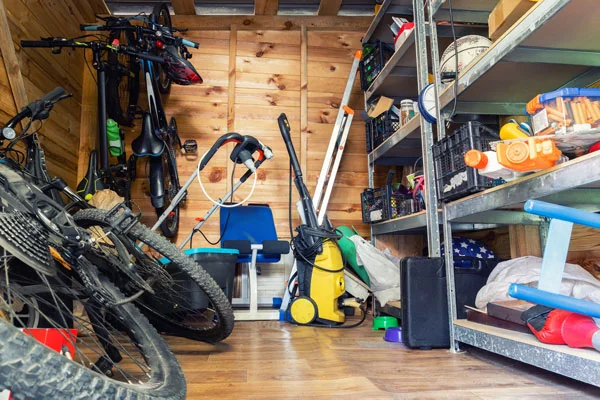
Most garages start as parking spots and slowly turn into overflow storage. Boxes stack up, tools vanish under bags of holiday decor, and the car ends up in the driveway. Some people jokingly call it "cluttered garage syndrome," and plenty of households have it.
An overstuffed garage isn't just an eyesore. Dust and bacteria build up in forgotten corners, and spilled motor oil or water on smooth concrete turns into a slip hazard. A full garage clean out fixes both problems and gives you back one of the biggest rooms in your home.
Dust also settles on your car and gets pulled into its cabin and engine air filters, which means more frequent maintenance. Once the clutter's gone, you'll have room to park, store, and actually find what you need. Here's how to clean up a garage from top to bottom, plus cleaning tips for keeping it that way.
Work Through Your Garage in Phases With This Step-by-Step Plan
Trying to clean and organize at the same time is the fastest way to stall out. Work in phases instead, and finish each one before you start the next.
- Gather your supplies, and book a junk haul or dumpster if you expect a lot of trash.
- Empty the garage onto tarps in the driveway and sort every item into four piles.
- Donate, sell, or dispose of everything you're not keeping.
- Inspect the empty space for cracks, leaks, and pest damage.
- Deep clean the ceiling, walls, floor, door, and windows.
- Paint or seal surfaces if needed, then install storage.
- Put back only what you're keeping, grouped by zone.
This cleaning checklist keeps you moving in a straight line. You won't end up shuffling the same box three times.
Gather Tools, Bins, Labels, and Safety Gear Before You Begin
Nothing kills momentum like a mid-project run to the hardware store. Have these on hand before you pull out the first box:
- Heavy-duty contractor trash bags and a few large tarps for staging piles
- Clear plastic bins with lids, plus labels and a permanent marker
- Work gloves, safety glasses, and an N95 mask for dust and mold
- A push broom, stiff scrub brush, shop vacuum, and extension-pole duster
- Concrete degreaser, white vinegar, and clay-based kitty litter
- A pressure washer or garden hose with a spray nozzle
- Plastic sheeting and painter's tape to protect walls from overspray
- A hand truck or dolly for heavy items
Empty the Garage and Sort Everything Into Keep, Donate, Sell, or Toss
Clear out the clutter before you start cleaning. You can't reach every corner with boxes and bikes in the way, and sorting in the open shows you exactly how much you own.
Pull everything onto tarps in the driveway and make four piles: keep, donate, sell, and toss. If you haven't used something in a year and it isn't seasonal or sentimental, let it go. Most people who declutter garage spaces find they own far more than they use.
Short on room to stage everything? Put up a few shelves first to get items off the ground, then sort them later. This approach works well if you need to organize a messy garage over several weekends instead of one.
Host a Garage Sale That Clears Your Sell Pile in One Weekend
A garage sale turns your sell pile into cash and gets it out of the house fast. Check whether your city or HOA requires a permit, then pick a Friday or Saturday morning, when bargain hunters show up early.
Post the sale in local Facebook groups, Nextdoor, and Craigslist a few days ahead, and put up clear signs the night before. Price everything with stickers, group similar items on tables, and keep small bills handy. Whatever doesn't sell goes straight to a donation center that day, so it doesn't creep back inside.
Get Rid of Junk and Hazardous Chemicals the Safe and Legal Way
Most junk in garage corners is regular trash, so bag it up or rent a dumpster for bulky loads. A junk removal service is worth the cost for old furniture, broken appliances, or a garage that's full to the rafters.
Old paint, motor oil, antifreeze, pesticides, batteries, and propane tanks can't go in the trash or down the drain. Take them to a household hazardous waste collection site; many auto parts stores also accept used motor oil and car batteries. The Earth911 recycling locator helps you find drop-off spots near you.
Inspect the Empty Garage for Cracks, Leaks, and Structural Damage
An empty garage is the best chance you'll get to see its bones. Walk the perimeter with a flashlight and check the floor and foundation for cracks wider than 1/4 inch, or cracks where one side sits higher than the other. Horizontal cracks or bowing in block walls are another red flag.
Look along the base of the walls for water stains, white mineral deposits, or damp spots. Then check overhead for sagging rafters, roof leaks, or daylight peeking through. Soft, rotting wood on sill plates and door frames, termite mud tubes, and a door that no longer seals evenly all deserve a closer look.
Thin hairline cracks are normal as concrete cures and settles. Wide, uneven, or growing cracks call for a structural engineer or foundation specialist before you seal or paint over them. If repairs start to rival the cost of a rebuild, a new garage is often the smarter investment.
Sweep and Degrease the Floor to Lift Oil, Rust, and Built-Up Grime
Start at the top and work your way down. Use a broom, extension duster, or leaf blower to knock cobwebs and dust off the rafters, walls, and light fixtures while the garage is empty.
Next, tackle the floor. Concrete degreasers are made to break down oil stains, and a mix of lemon juice and vinegar handles lighter spots.
Moving metal lockers and cabinets often reveals rust marks. Pour lemon juice or white vinegar directly on the stain and let it sit for about five minutes. Then scrub hard with a stiff brush.
For stains that won't budge, muriatic acid (hydrochloric acid) is the heavy hitter. It's highly caustic, so wear gloves, goggles, and a respirator, and keep the door open. Mix 1 part acid with 10 parts water, and always add the acid to the water, never the reverse. Never combine it with bleach or other cleaners.
Use Kitty Litter to Soak Up Oil Stains Without Harsh Chemicals
Cat litter isn't just for the litter box. Clay-based litter is extremely absorbent and pulls oil out of concrete without any chemicals.
Cover the stain with a thick layer, grind it in with your shoe, and leave it overnight. Sweep it up the next day and check the spot.
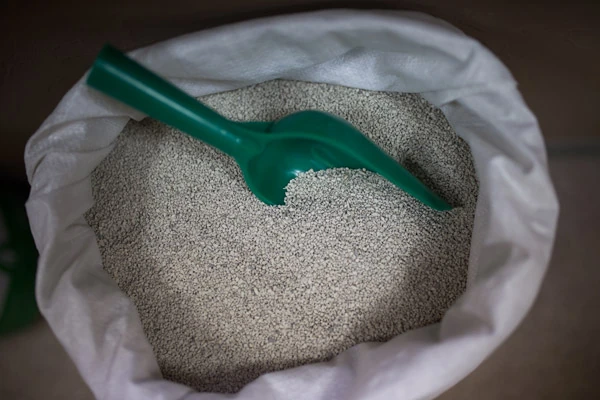
If traces remain, repeat with a fresh pile of litter. It can take a few days, but this trick works on both fresh and old stains.
Pressure Wash the Floor for a Deep Clean Without Damaging Concrete
Pressure washing is the fastest way to deep clean garage floors. Before you start, tape plastic sheeting along the walls to block overspray. Cover anything you don't want wet, like cars, bikes, or furniture.
Start with low pressure and increase it gradually. Hold the wand about two feet from the floor and use a wide-angle spray tip. Sweep back and forth toward the garage door so dirty water flows out instead of toward your house. Keep the wand moving, since lingering in one spot can etch the concrete.
Rinse away leftover degreaser and dirt, making several passes until the water runs clear. When you're done, shut off the washer and disconnect the hoses and power cords. Don't own a pressure washer? Washing garage floors with degreaser, a stiff push broom, and a hose takes longer but gets you most of the way there.
Clean and Inspect Your Garage Door and Windows While the Floor Dries
While the floor dries, scrub both sides of the garage door with a brush, sponge, and mild soapy water. Look for cracks, corrosion, and rust, and touch up paint or stain where needed. If the door is old or badly worn, it's worth pricing out a replacement.
Clean the garage windows and any door insert windows, and check them closely as you go. Gaps, failed caulk, and fogging between panes all let in drafts and moisture. Reseal small gaps now so water and cold stay outside.
Remove Sealer and Old Paint Before Rolling On a New Epoxy Floor
Planning an epoxy floor? Strip any old sealer and paint first so the new coating bonds to bare concrete.
Chemical strippers and solvents work quickly. Follow the manufacturer's directions, and leave the garage door open because the fumes are strong.
A floor grinder is the other option, and it takes far less elbow grease than chemicals. Wear a mask and goggles to protect yourself from the dust. New to grinders? Start on a small area until you get the feel for it.
Brighten the Space With a Fresh Coat of Paint on the Walls and Floor
If you own your home, finish the job with a fresh coat of paint. For a standard garage, it's a simple weekend project.
Prep makes the difference. Clean the walls, using an acid wash on bare concrete or block, then patch holes and seal cracks. Sand lightly before rolling on latex paint.
Floors need a different game plan. Your flooring type decides how to clean garage floors before coating and whether a budget-friendly concrete sealer or a tougher epoxy finish makes more sense.
Add Wall Storage to Organize a Cluttered Garage and Free Up Space
Wall storage is the best fix for small garages. Setting things on the floor feels easier in the moment, but getting them up off the ground pays off fast. You free up room to park and walk around, items stay dry when snow melts off your tires, and shelves make it easy to see what you have.
Go green by turning old crates into box shelves, or ask your local hardware store for help choosing a system. Corner shelves put otherwise wasted space to work. Group items into zones, such as gardening, sports, tools, and car care, so everything has a home.
Store Bigger Tools in Tubes to End Tangled Piles in the Corners
You keep spatulas and whisks upright in a crock so they don't jam your drawers. The same idea works in the garage with concrete forming tubes.
Stand a few tubes in a corner and slide in rakes, shovels, brooms, and hockey sticks. No more tangled heaps on the floor or tools leaning against the wall, waiting to fall.
Keep Mice and Rodents From Nesting in Your Freshly Cleaned Garage
A tidy garage is less inviting to mice, but cleanliness alone won't stop them. A mouse can squeeze through a gap the size of a dime, so close off entry points and remove what draws them in.
Replace a worn bottom seal on the garage door, and pack small gaps around pipes and wires with steel wool before sealing them with caulk. Cover vents and larger openings with metal hardware cloth. Store birdseed, pet food, and grass seed in lidded metal or heavy plastic bins.
Swap cardboard boxes for plastic bins, since rodents love to shred cardboard for nests. Keep firewood, mulch, and shrubs a few feet from the exterior walls, and set snap traps along the walls where rodents travel. Check corners and behind shelves monthly for droppings or chewed packaging.
Seasonal Garage Maintenance Checklist to Keep Your Garage Clean
Regular garage cleaning saves space, lowers the risk of injuries, and keeps dust and pests out. Sweep monthly, wipe up spills right away, and return things to their zones as you use them. Then follow this seasonal routine to tidy a garage in an afternoon instead of a weekend.
| Season | Tasks |
|---|---|
| Spring | Sweep out winter salt and sand, wash the floor, check door weatherstripping, and test the opener's auto-reverse feature. |
| Summer | Look for wasp nests and signs of pests, open windows or add a fan for airflow, and move summer gear to the front. |
| Fall | Store summer gear, bring out rakes and snow shovels, lubricate door hinges and rollers, and caulk window gaps before cold weather. |
| Winter | Clear salt and slush often, lay down a floor containment mat, check for leaks, and keep chemicals sealed and off the floor. |
Build a New Garage With Feldco That Stands Up to Midwest Weather
A clean out sometimes uncovers problems that patching won't fix, like a cracked slab, sagging rafters, or rotting framing. When that happens, starting fresh gives you a stronger, more functional space for years to come. Feldco builds your new garage from the ground up, with a solid foundation and construction made to last through any weather the Midwest throws its way.
As the Midwest's #1 home exterior company since 1976, Feldco has built over 100,000 garages. Tell a specialist what you have in mind and get a free quote on your new garage today.
Frequently Asked Questions About Cleaning Out Your Garage
How much time should I set aside for a one-car or two-car garage?
A moderately cluttered one-car garage usually takes one full day to empty, sort, and put back together. Plan on a full weekend for a two-car garage, and add a day or two if it's packed to the ceiling or you're painting or coating the floor.
Can I declutter my whole garage in a single weekend?
Yes, if you prep on Friday night by buying supplies and scheduling a junk pickup. Spend Saturday emptying and sorting with quick keep-or-go decisions, then use Sunday to clean, install storage, and move items back in.
Where can I donate old tools and sports gear?
Habitat for Humanity ReStores accept tools and building supplies, and Goodwill and the Salvation Army take most household items. Youth sports leagues, schools, and local Buy Nothing groups are great new homes for used sports equipment.
How often should I deep clean my garage?
Deep clean your garage twice a year, ideally in spring and fall. Quick monthly sweeps and wiping up spills as they happen keep dirt from building up in between.
Is it worth hiring help to clear out a packed garage?
Hiring help makes sense if you have heavy furniture, a large volume of junk, or limited time. A junk removal crew or local handyman can empty a packed garage in a few hours, leaving you free to focus on cleaning and organizing.


 866-4FELDCO