
Can You Replace a Roof in the Winter? An Expert Guide to Roofing in Cold Weather

The question many homeowners have is, can you replace a roof in the colder months of the year? The simple answer is yes. Today's materials and techniques allow qualified contractors to work safely and effectively even in snowy climates and keep your home protected year-round. In fact, for many homeowners, winter can be a smart time to schedule roofing maintenance or a full replacement, as long as the crew understands the seasonal challenges and best practices.
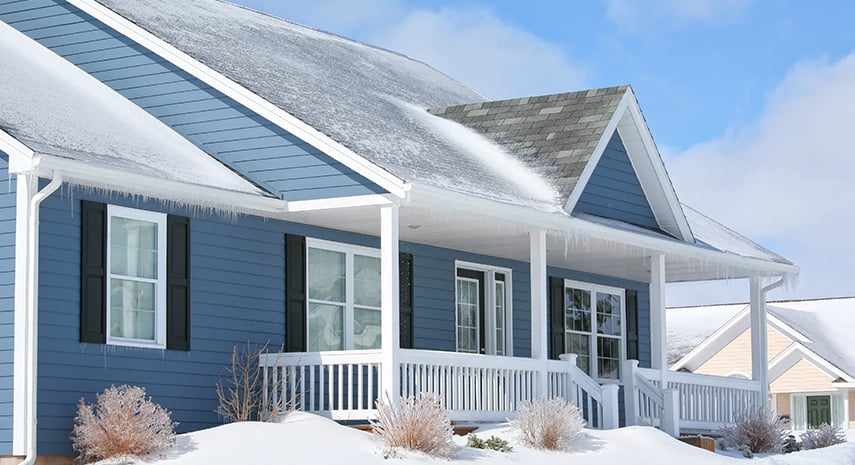

Roof replacement in the winter

Whether your roof suffered storm damage, age-related wear, or you simply haven't had a repair in years, winter doesn't automatically put your project on hold. Instead, it shifts the focus toward proper planning, temperature awareness, and finding experienced professionals who know how to deal with weather extremes.

Key Considerations for Winter Roof Replacement

Cold-weather roofing requires precision, expertise, and the right conditions. These are the core elements that determine whether winter is the right season for your project:

  • Material performance: shingle flexibility, sealant activation, and underlayment adhesion vary based on temperature.
  • Crew expertise: not all contractors are equipped for winter jobs. You need roofers who understand how roofers work in the winter, including safety protocols and installation adjustments.
  • Surface conditions: snow, frost, and ice must be managed carefully to ensure a stable working environment.
  • Timing & scheduling: winter is often considered the slow season for roofing, so homeowners may benefit from quicker scheduling and potentially better pricing.
  • Home value impact: a new roof can improve curb appeal and raise resale value, especially when a new roof increase home value is factored into long-term equity.

Challenges of Winter Roof Replacement

Working in winter doesn’t make replacement impossible, but it introduces more variables that contractors must manage carefully.

Ice Dams

Ice dams form when warm attic air melts rooftop snow, which refreezes at the edges. This buildup forces melting water back under shingles and into the home.

Winter roof replacement allows contractors to correct ventilation issues and improve insulation – two key factors in preventing recurring ice dams.

High Winds

Cold fronts often bring gusty conditions that complicate installation. High winds can loosen materials during placement or create dangerous conditions for crews working at elevation. Proper scheduling and safety protocols are essential.

Excess Snow

Snow isn’t a dealbreaker, but it must be cleared before any work begins. Contractors need a clean, dry surface to ensure proper adhesion and prevent moisture entrapment beneath shingles. Even small amounts of trapped moisture can lead to sealing issues that compromise long-term performance.

Installation Temperatures

Manufacturers specify the best temperature for roof replacement to ensure proper bonding. Manufacturers recommend working above 40°F for optimal adhesive performance and shingle flexibility. Below that temperature, shingles become less flexible, making breakage more likely.

However, experienced contractors can work safely down to 20–25°F using specialized techniques such as hand-sealing. Most pros follow the guideline that the lowest temperature to install shingles safely is around 20–25°F with these methods. Below that range, it becomes risky for both materials and workers.

Moisture Sensitivity

You should never install roof shingles in the rain, and the same applies to sleet or heavy frost. Moisture interferes with underlayment adhesion and can trap water inside your roof system.
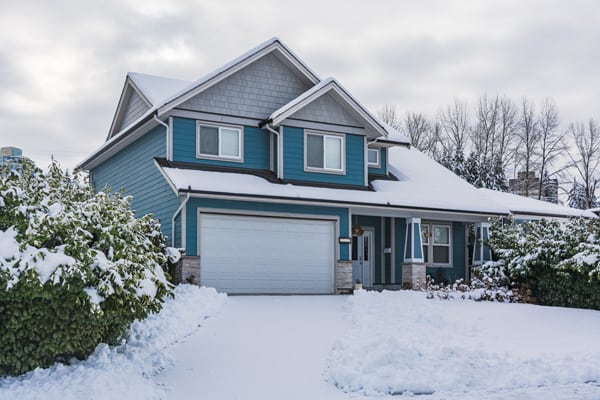

Roofing in the winter

Advantages of Winter Roof Replacement

While many assume winter is the worst time to take on a roofing project, there are several benefits:

1. Faster Scheduling

Because winter is often viewed as the slow season for roofing, homeowners may enjoy quicker turnaround times and more flexible project dates.

2. Damage Control

If your roof is already leaking or deteriorating, waiting until spring can worsen structural issues. Addressing the problem promptly prevents costly interior damage and mold.

3. Better Material Performance for Metal

Installing a metal roof in winter is often advantageous because metal panels are not temperature-sensitive like asphalt shingles. They won’t crack in cold weather, and they don’t require heat activation to seal.

4. Improved Winter Efficiency

A new roof installed in winter immediately boosts energy retention and helps your heating system run more efficiently, particularly valuable during the coldest months.

FAQ about Winter Roof Replacement

How long does roof replacement take in the winter?

The typical timeline remains 1–3 days, depending on roof size and complexity. Winter projects may require slightly more time because workers must clear snow, ensure surfaces are dry, and handle materials more carefully.

How should homeowners prepare for winter roof replacement?

Preparation includes:

  • Clearing driveway and walkways for crew access
  • Ensuring attic insulation and ventilation are adequate
  • Safely removing items from walls (hammering may vibrate the home)
  • Covering belongings in the attic to protect from dust

If you're also considering window upgrades for cold weather efficiency, window replacement in winter can complement overall home insulation improvements.

What is the 25% rule for roofing?

The “25% rule” commonly refers to building codes in some areas stating that if more than 25% of the roof surface is damaged or deteriorated, a full replacement is required instead of spot repairs. This ensures structural and weatherproofing integrity.

Can extreme temperature changes affect my new roof?

Absolutely. Rapid swings between warm and cold weather can cause subtle expansion and contraction in roofing materials. This sometimes leads homeowners to ask about noises; learn why you may hear roof popping noise in cold weather.

Why do shingles sometimes fail to seal in winter?

Self-sealing strips need warmth to activate. When temperatures stay low, roofers may use hand-applied adhesives to guarantee proper bonding.

Winter Roof Replacement in the Midwest

Midwestern winters are known for unpredictable storms, lake-effect snow, and extended cold snaps. These factors often lead homeowners to wonder: can you replace a roof in the winter in this region? Yes, when you hire experienced professionals who understand local climate demands.

Feldco proudly serves residential customers across the Midwest, including the Chicago area, with dependable roofing services tailored for cold-weather performance. Their crews know how to manage snow removal, temperature-sensitive materials, and winter safety protocols. Whether you’re installing a metal roof in winter or replacing asphalt shingles after storm damage, Feldco provides expert guidance and workmanship.

Homeowners can request a free quote to evaluate their options and schedule a project that aligns with both safety and seasonal conditions.

Key Takeaway

Winter roof replacement is not only possible, it can be practical and beneficial when handled by skilled contractors. While colder temperatures and harsh weather introduce challenges, modern materials and professional techniques ensure reliable results. Understanding the best temperature for roof replacement, how roofers work in the winter, and the limits around the lowest temperature to install shingles helps homeowners make informed decisions.

If your roof is aging, leaking, or failing to protect your home, don’t wait for spring. A properly executed winter installation can safeguard your home immediately, improve efficiency, and prevent costly damage, all while taking advantage of the typically less busy roofing season.

Get started with a FREE QUOTE


Get a free, no-obligation quote by filling out the form below.

Enter your full name
Enter your email
Enter your phone number
Enter your zip code
If you have a promo code, enter it here


*View our privacy policy


Or call us at 1-866-4FELDCO
or visit one of our locations


Privacy Policy
Promotional Details
Terms of Use
SMS Terms & Conditions

Copyright © 2026 Feldco


NARI Partner Logo
Dealer of the Year
Lead Safe Certified Firm
OSI Certified Installer
Home Advisor Approved
Energy Star
Owens Corning Platinum Contractor

Can You Replace a Roof in the Winter? An Expert Guide to Roofing in Cold Weather

The question many homeowners have is, can you replace a roof in the colder months of the year? The simple answer is yes. Today's materials and techniques allow qualified contractors to work safely and effectively even in snowy climates and keep your home protected year-round. In fact, for many homeowners, winter can be a smart time to schedule roofing maintenance or a full replacement, as long as the crew understands the seasonal challenges and best practices.


Roof replacement in the winter

Whether your roof suffered storm damage, age-related wear, or you simply haven't had a repair in years, winter doesn't automatically put your project on hold. Instead, it shifts the focus toward proper planning, temperature awareness, and finding experienced professionals who know how to deal with weather extremes.

Key Considerations for Winter Roof Replacement

Cold-weather roofing requires precision, expertise, and the right conditions. These are the core elements that determine whether winter is the right season for your project:

  • Material performance: shingle flexibility, sealant activation, and underlayment adhesion vary based on temperature.
  • Crew expertise: not all contractors are equipped for winter jobs. You need roofers who understand how roofers work in the winter, including safety protocols and installation adjustments.
  • Surface conditions: snow, frost, and ice must be managed carefully to ensure a stable working environment.
  • Timing & scheduling: winter is often considered the slow season for roofing, so homeowners may benefit from quicker scheduling and potentially better pricing.
  • Home value impact: a new roof can improve curb appeal and raise resale value, especially when a new roof increase home value is factored into long-term equity.

Challenges of Winter Roof Replacement

Working in winter doesn’t make replacement impossible, but it introduces more variables that contractors must manage carefully.

Ice Dams

Ice dams form when warm attic air melts rooftop snow, which refreezes at the edges. This buildup forces melting water back under shingles and into the home.

Winter roof replacement allows contractors to correct ventilation issues and improve insulation – two key factors in preventing recurring ice dams.

High Winds

Cold fronts often bring gusty conditions that complicate installation. High winds can loosen materials during placement or create dangerous conditions for crews working at elevation. Proper scheduling and safety protocols are essential.

Excess Snow

Snow isn’t a dealbreaker, but it must be cleared before any work begins. Contractors need a clean, dry surface to ensure proper adhesion and prevent moisture entrapment beneath shingles. Even small amounts of trapped moisture can lead to sealing issues that compromise long-term performance.

Installation Temperatures

Manufacturers specify the best temperature for roof replacement to ensure proper bonding. Manufacturers recommend working above 40°F for optimal adhesive performance and shingle flexibility. Below that temperature, shingles become less flexible, making breakage more likely.

However, experienced contractors can work safely down to 20–25°F using specialized techniques such as hand-sealing. Most pros follow the guideline that the lowest temperature to install shingles safely is around 20–25°F with these methods. Below that range, it becomes risky for both materials and workers.

Moisture Sensitivity

You should never install roof shingles in the rain, and the same applies to sleet or heavy frost. Moisture interferes with underlayment adhesion and can trap water inside your roof system.


Roofing in the winter

Advantages of Winter Roof Replacement

While many assume winter is the worst time to take on a roofing project, there are several benefits:

1. Faster Scheduling

Because winter is often viewed as the slow season for roofing, homeowners may enjoy quicker turnaround times and more flexible project dates.

2. Damage Control

If your roof is already leaking or deteriorating, waiting until spring can worsen structural issues. Addressing the problem promptly prevents costly interior damage and mold.

3. Better Material Performance for Metal

Installing a metal roof in winter is often advantageous because metal panels are not temperature-sensitive like asphalt shingles. They won’t crack in cold weather, and they don’t require heat activation to seal.

4. Improved Winter Efficiency

A new roof installed in winter immediately boosts energy retention and helps your heating system run more efficiently, particularly valuable during the coldest months.

FAQ about Winter Roof Replacement

How long does roof replacement take in the winter?

The typical timeline remains 1–3 days, depending on roof size and complexity. Winter projects may require slightly more time because workers must clear snow, ensure surfaces are dry, and handle materials more carefully.

How should homeowners prepare for winter roof replacement?

Preparation includes:

  • Clearing driveway and walkways for crew access
  • Ensuring attic insulation and ventilation are adequate
  • Safely removing items from walls (hammering may vibrate the home)
  • Covering belongings in the attic to protect from dust

If you're also considering window upgrades for cold weather efficiency, window replacement in winter can complement overall home insulation improvements.

What is the 25% rule for roofing?

The “25% rule” commonly refers to building codes in some areas stating that if more than 25% of the roof surface is damaged or deteriorated, a full replacement is required instead of spot repairs. This ensures structural and weatherproofing integrity.

Can extreme temperature changes affect my new roof?

Absolutely. Rapid swings between warm and cold weather can cause subtle expansion and contraction in roofing materials. This sometimes leads homeowners to ask about noises; learn why you may hear roof popping noise in cold weather.

Why do shingles sometimes fail to seal in winter?

Self-sealing strips need warmth to activate. When temperatures stay low, roofers may use hand-applied adhesives to guarantee proper bonding.

Winter Roof Replacement in the Midwest

Midwestern winters are known for unpredictable storms, lake-effect snow, and extended cold snaps. These factors often lead homeowners to wonder: can you replace a roof in the winter in this region? Yes, when you hire experienced professionals who understand local climate demands.

Feldco proudly serves residential customers across the Midwest, including the Chicago area, with dependable roofing services tailored for cold-weather performance. Their crews know how to manage snow removal, temperature-sensitive materials, and winter safety protocols. Whether you’re installing a metal roof in winter or replacing asphalt shingles after storm damage, Feldco provides expert guidance and workmanship.

Homeowners can request a free quote to evaluate their options and schedule a project that aligns with both safety and seasonal conditions.

Key Takeaway

Winter roof replacement is not only possible, it can be practical and beneficial when handled by skilled contractors. While colder temperatures and harsh weather introduce challenges, modern materials and professional techniques ensure reliable results. Understanding the best temperature for roof replacement, how roofers work in the winter, and the limits around the lowest temperature to install shingles helps homeowners make informed decisions.

If your roof is aging, leaking, or failing to protect your home, don’t wait for spring. A properly executed winter installation can safeguard your home immediately, improve efficiency, and prevent costly damage, all while taking advantage of the typically less busy roofing season.

Get started with a FREE QUOTE


Get a free, no-obligation quote by filling out the form below.

Enter your full name
Enter your email
Enter your phone number
Enter your zip code
If you have a promo code, enter it here


*View our privacy policy


Or call us at 1-866-4FELDCO
or visit one of our locations


Privacy Policy
Promotional Details
Terms of Use
SMS Terms & Conditions

Copyright © 2026 Feldco

NARI Partner Logo Dealer of the Year Lead Safe Certified Firm OSI Certified Installer Home Advisor Approved Energy Star Owens Corning Platinum Contractor
An unhandled error has occurred. Reload 🗙