Crank Windows Explained: How They Compare to Casement and Other Window Styles

Deciding on the right window style can feel overwhelming, especially with so many types and terms to learn. Because replacement windows aren’t cheap, it’s important to understand your options–from cranks to panes to energy ratings–so you can make a smart investment and avoid future headaches.
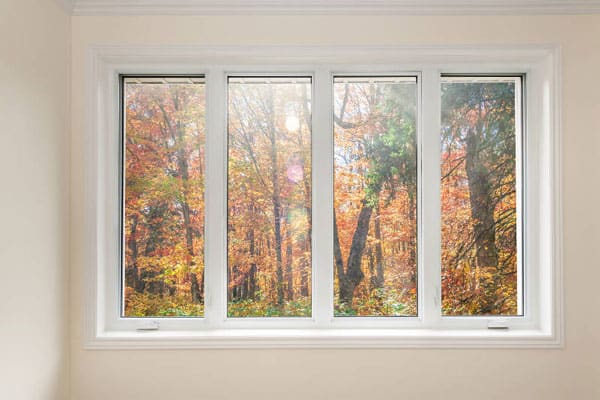

Casement Window Lock

When comparing different options, one of the most popular windows that open outward are casement or crank windows. These styles are common in homes that want both ventilation and a clear, unobstructed view.

Casement vs. Crank Windows: What They Really Are

Casement and crank windows are actually one and the same. These windows open when the handle mechanism is cranked and allow for both a clear view of the outside and maximum ventilation.

They are often used in tall, narrow spaces or in areas of the home that have smaller window openings.

What Is a Crank Window?

Crank windows use a mechanical handle (called a crank window handle) to open and close. When the handle is turned, it operates a gear mechanism that swings the sash outward or inward, depending on design.

This style is sometimes referred to as a crank out window due to its swinging action and maintains a tight weather seal when closed.

How Crank Windows Operate

Crank and casement windows are attached at the side of the window frame and swing outward when the handle is turned.

Casement windows can open vertically outward—swinging open to either the left or right—or horizontally, where the windowpane is cranked upward and outward, then closes downward when shut.

It’s more common for a window to be called a casement window when it opens vertically. Horizontally opening windows tend to be referred to as awning windows.

Types of Crank-Operated Casement Windows

There are a few different types of casement window designs that use a crank mechanism. A casement crank window may open from the side, top, or even bottom depending on how the hinges are placed.

  • Side-hinged crank windows: Open like a door, swinging out to the left or right.
  • Top-hinged (awning) crank windows: Open upward and outward, offering ventilation even during light rain.
  • Bottom-hinged crank windows: Swing out from the bottom and are less common in residential applications.
  • These crank type windows provide flexibility for homeowners who want to customize airflow and natural light while maintaining energy efficiency and a tight seal against drafts.
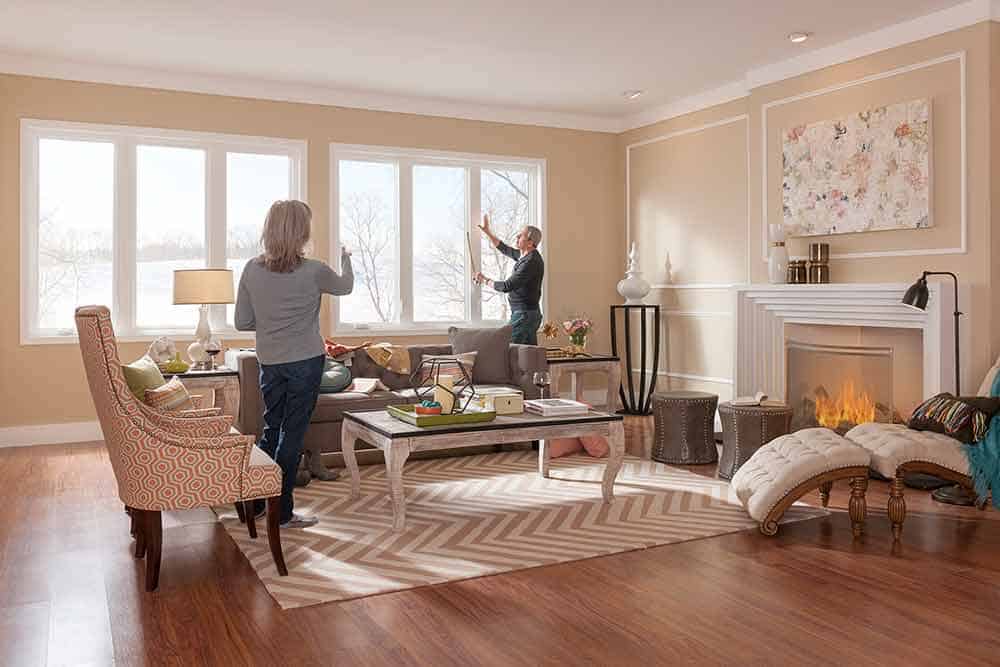

    Casement Windows In The Living Room

    Sliding Windows vs. Crank Windows

    Once you understand that crank and casement windows are two different terms for the same style, the question now boils down to how you want your windows to operate. Do you want windows that open by means of sliding a pane, or would you prefer windows that use a crank mechanism to open?

    Both sliding and casement windows have their own unique set of benefits. Both styles are easy to operate (sliding versus cranking comes down to personal preference) and both present themselves as excellent options in tight, compact wall spaces.

    Sliding windows are arguably better in areas that have limited space because they don’t require room for a crank mechanism that needs turning by the operator. Hinged casement windows have the one-up when it comes to ventilation, allowing the window to open fully for maximum air flow.

    Casement windows offer an unobstructed view and are ideal for areas thirsty for natural light or capturing a picturesque glimpse of the outdoors. While casement and sliding windows can be made from fiberglass, vinyl, and composite, generally casement windows perform better with wood material than sliding windows.

    As far as maintenance and upkeep are concerned, both sliding and casement styled windows will need routine care to make sure the window is operating smoothly. Casement windows have the crank mechanism to tend to in order to ensure the parts are working correctly, undamaged and not missing.

    Sliding windows have the embedded track that will need cleaning. Homeowners do report that the track has a tendency to collect dirt, dust, and debris, possibly requiring a little more upkeep than its casement window counterpart.

    Replacement Casement Windows

    Updating your windows will help your home in a number of ways. Replacement casement windows are energy efficient, saving you on monthly utility bills as well as keeping your home a consistently comfortable temperature year-round. With their ability to open fully for the most amount of ventilation possible, you’ll be able to shut off air conditioning and allow a breeze to cool your home in the warmer months, also saving you on energy costs.

    Replacement casement windows will also serve your home advantageously in its resale value. New replacement windows always yield a high return of investment—on average, new windows have an ROI of an estimated 85%.

    There are plenty of window style options out there, along with choices on how the window operates. The bottom line? You can’t go wrong with a casement window.

    If you’re in the market for replacement windows in any of our markets across the Midwest, we hope that you’ll consider Feldco for your window replacement project.

Get started with a FREE QUOTE


Get a free, no-obligation quote by filling out the form below.

Enter your full name
Enter your email
Enter your phone number
Enter your zip code
If you have a promo code, enter it here


*View our privacy policy


Or call us at 1-866-4FELDCO
or visit one of our locations


Privacy Policy
Promotional Details
Terms of Use
SMS Terms & Conditions

Copyright © 2026 Feldco


NARI Partner Logo
Dealer of the Year
Lead Safe Certified Firm
OSI Certified Installer
Home Advisor Approved
Energy Star
Owens Corning Platinum Contractor

Crank Windows Explained: How They Compare to Casement and Other Window Styles

Deciding on the right window style can feel overwhelming, especially with so many types and terms to learn. Because replacement windows aren’t cheap, it’s important to understand your options–from cranks to panes to energy ratings–so you can make a smart investment and avoid future headaches.


Casement Window Lock

When comparing different options, one of the most popular windows that open outward are casement or crank windows. These styles are common in homes that want both ventilation and a clear, unobstructed view.

Casement vs. Crank Windows: What They Really Are

Casement and crank windows are actually one and the same. These windows open when the handle mechanism is cranked and allow for both a clear view of the outside and maximum ventilation.

They are often used in tall, narrow spaces or in areas of the home that have smaller window openings.

What Is a Crank Window?

Crank windows use a mechanical handle (called a crank window handle) to open and close. When the handle is turned, it operates a gear mechanism that swings the sash outward or inward, depending on design.

This style is sometimes referred to as a crank out window due to its swinging action and maintains a tight weather seal when closed.

How Crank Windows Operate

Crank and casement windows are attached at the side of the window frame and swing outward when the handle is turned.

Casement windows can open vertically outward—swinging open to either the left or right—or horizontally, where the windowpane is cranked upward and outward, then closes downward when shut.

It’s more common for a window to be called a casement window when it opens vertically. Horizontally opening windows tend to be referred to as awning windows.

Types of Crank-Operated Casement Windows

There are a few different types of casement window designs that use a crank mechanism. A casement crank window may open from the side, top, or even bottom depending on how the hinges are placed.

  • Side-hinged crank windows: Open like a door, swinging out to the left or right.
  • Top-hinged (awning) crank windows: Open upward and outward, offering ventilation even during light rain.
  • Bottom-hinged crank windows: Swing out from the bottom and are less common in residential applications.
  • These crank type windows provide flexibility for homeowners who want to customize airflow and natural light while maintaining energy efficiency and a tight seal against drafts.


    Casement Windows In The Living Room

    Sliding Windows vs. Crank Windows

    Once you understand that crank and casement windows are two different terms for the same style, the question now boils down to how you want your windows to operate. Do you want windows that open by means of sliding a pane, or would you prefer windows that use a crank mechanism to open?

    Both sliding and casement windows have their own unique set of benefits. Both styles are easy to operate (sliding versus cranking comes down to personal preference) and both present themselves as excellent options in tight, compact wall spaces.

    Sliding windows are arguably better in areas that have limited space because they don’t require room for a crank mechanism that needs turning by the operator. Hinged casement windows have the one-up when it comes to ventilation, allowing the window to open fully for maximum air flow.

    Casement windows offer an unobstructed view and are ideal for areas thirsty for natural light or capturing a picturesque glimpse of the outdoors. While casement and sliding windows can be made from fiberglass, vinyl, and composite, generally casement windows perform better with wood material than sliding windows.

    As far as maintenance and upkeep are concerned, both sliding and casement styled windows will need routine care to make sure the window is operating smoothly. Casement windows have the crank mechanism to tend to in order to ensure the parts are working correctly, undamaged and not missing.

    Sliding windows have the embedded track that will need cleaning. Homeowners do report that the track has a tendency to collect dirt, dust, and debris, possibly requiring a little more upkeep than its casement window counterpart.

    Replacement Casement Windows

    Updating your windows will help your home in a number of ways. Replacement casement windows are energy efficient, saving you on monthly utility bills as well as keeping your home a consistently comfortable temperature year-round. With their ability to open fully for the most amount of ventilation possible, you’ll be able to shut off air conditioning and allow a breeze to cool your home in the warmer months, also saving you on energy costs.

    Replacement casement windows will also serve your home advantageously in its resale value. New replacement windows always yield a high return of investment—on average, new windows have an ROI of an estimated 85%.

    There are plenty of window style options out there, along with choices on how the window operates. The bottom line? You can’t go wrong with a casement window.

    If you’re in the market for replacement windows in any of our markets across the Midwest, we hope that you’ll consider Feldco for your window replacement project.

Get started with a FREE QUOTE


Get a free, no-obligation quote by filling out the form below.

Enter your full name
Enter your email
Enter your phone number
Enter your zip code
If you have a promo code, enter it here


*View our privacy policy


Or call us at 1-866-4FELDCO
or visit one of our locations


Privacy Policy
Promotional Details
Terms of Use
SMS Terms & Conditions

Copyright © 2026 Feldco

NARI Partner Logo Dealer of the Year Lead Safe Certified Firm OSI Certified Installer Home Advisor Approved Energy Star Owens Corning Platinum Contractor
An unhandled error has occurred. Reload 🗙