


Nowadays, homeowners are looking for every possible way to save money on their home improvement projects. One of the most popular projects is replacing old windows with energy efficient windows that carry a strong energy efficiency rating. Understanding window energy ratings can help you make a smarter investment and lower your utility bills.
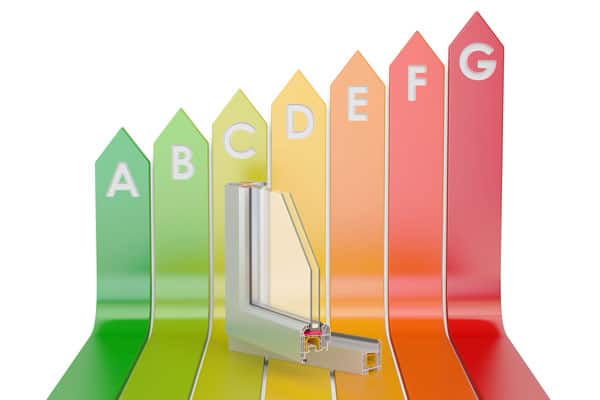
How do you know if the windows you have—or the ones you're considering—have good energy ratings? There's a lot that goes into what makes a window energy efficient, and knowing how to read window ratings will help you avoid products that aren't rated well.
Below, we'll cover everything you need to know about energy performance ratings for windows so you can choose the best replacement windows for your home.
What Labels Should Your Windows Have?
Before you consider any window energy efficient, make sure it carries the proper labels. Anyone can claim their windows will save you money, but without certified labels those claims are meaningless.
The first—and most important—label to look for is the Energy Star seal. The Energy Star label specifies which climate zones the windows are certified for. This is critical for Midwest homeowners, where temperatures swing between extremes throughout the year. Windows that aren't certified for your climate zone will deteriorate and lose their window insulation rating much faster.
The next label to look for is from the National Fenestration Rating Council (NFRC). The NFRC is a non-profit organization recognized by the window and door industry. It reports standardized energy performance ratings for windows, including the window ER rating, which combines multiple factors into a single score. These ratings help you compare products and determine which ones offer the best window efficiency rating.
Make sure your replacement windows display both labels so you know you're getting a properly rated product.
How to Read Window Energy Ratings
There are four main factors that determine a window's energy rating for windows: U-factor, solar heat gain coefficient (SHGC), visible transmittance, and air leakage. Each one measures a different aspect of performance, and together they form the complete picture of window ratings. Here's what each one means.
U-Factor (U Rating)
The U-factor in windows measures how well a window prevents heat from escaping a room. It's rated on a scale of 0.20 to 1.20—the lower the number, the better the window insulation rating.
A good U-factor for windows in the Midwest is typically 0.30 or below, since winters are harsh and you need your windows to keep heated air inside. A low U rating directly reduces your heating bills.
SHGC Rating (Solar Heat Gain Coefficient)
So what is SHGC? SHGC is the measure of how much solar heat passes through your windows into your home. The SHGC value is rated on a scale of 0 to 1—the lower the number, the better your windows block unwanted heat from the sun.
A low SHGC rating matters because it keeps your home cooler in summer without overworking your air conditioner. For Midwest homeowners who face hot summers, a good SHGC value translates directly into lower cooling costs.
Visible Transmittance
Visible transmittance measures how much natural light passes through your windows. Rated on a scale of 0 to 1, a higher number means more daylight enters your home. This is one of the most useful window ratings to consider because more natural light means less reliance on artificial lighting—lowering your electric bill.
Modern window glass technology allows high visible transmittance without increased heat gain. The glass lets sunlight in while blocking the infrared rays that cause rooms to heat up.
Air Leakage
One of the biggest problems homeowners face is drafty windows. Drafty windows let outside air into your home, forcing your furnace and air conditioner to work harder—and costing you money.
When shopping for replacement windows, look for a low air leakage number. To earn Energy Star certification, a window must have an air leakage value below 0.30. This number indicates how much outside air enters a room through the window assembly.
Even with a good air leakage rating, professional installation is essential. Proper installation ensures there are no gaps or cracks between frames and sashes that could undermine your window's performance.
Quick Reference: Window Energy Ratings at a Glance
| Rating Factor | Scale | What to Look For |
|---|---|---|
| U-Factor (U Rating) | 0.20 – 1.20 | Lower is better (≤0.30 for Midwest) |
| SHGC Rating | 0 – 1 | Lower is better |
| Visible Transmittance | 0 – 1 | Higher is better |
| Air Leakage | Varies | Lower is better (<0.30 for Energy Star) |
Find the Right Vinyl Window Replacement in the Midwest
If you're a Midwest homeowner looking for vinyl window replacement, choosing Energy Star Certified windows with strong energy performance ratings is the best way to protect your home from seasonal extremes. Vinyl windows are durable, low-maintenance, and available in many styles and colors—including wood grain finishes. They're custom made to fit your existing openings, ensuring a secure and proper fit with optimal window insulation.
Ready to improve your home's energy efficiency rating? Get a free quote today from a trusted Midwest vinyl window replacement service and start saving on your energy bills.


 866-4FELDCO