


There are several options that are available for the Midwest. If you’re considering new exterior siding and want to understand the differences between LP SmartSide and James Hardie (often called Hardie Board), this article breaks down a detailed comparison of their features, materials, design options, costs, and installation processes – helping you choose the best option for your home.
LP SmartSide Siding Features
LP SmartSide is an engineered wood siding product from LP Building Solutions. Its defining features include:
- Made from treated wood strands bonded with resins, waxes, and zinc borate, then overlaid using the company’s SmartGuard® process for enhanced resistance to moisture, fungal decay, and termites.
- Lighter weight and longer board lengths (up to 16 feet) compared to typical fiber-cement boards, resulting in fewer seams and faster installation.
- Available in a broad range of profiles and finishes, including lap siding, vertical panels, shakes, and board-and-batten designs, with both smooth and cedar-grain textures available. Many products can be prefinished in LP’s ExpertFinish® colors, offering a durable, factory-applied finish that reduces the need for on-site painting.
- Easier to install and cuts like wood, requires fewer specialized tools, and is less prone to breakage during handling.
- Backed by a 5/50-year limited warranty (five years full coverage, then prorated for the remainder).
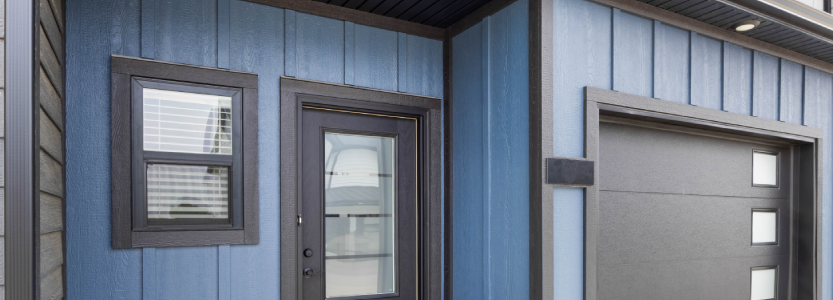
It’s important to note that many people think LP SmartSide is like regular wood siding, and it has the same weaknesses because it is made with wood fibers.
In reality, LP SmartSide’s SmartGuard® technology treats every wood strand with resins, waxes, and zinc borate, creating a product that is engineered specifically to resist moisture, rot, and pests. Unlike natural wood, it’s designed to withstand harsh Midwest weather without warping, swelling, or decaying over time.
James Hardie Board Features
James Hardie is one of the most recognized names in fiber cement siding. Its core features include:
- Made from a mix of Portland cement, sand, cellulose fibers, and proprietary additives, resulting in siding that is highly durable, rot-resistant, termite-resistant, and non-combustible.
- Exceptional fire resistance, with performance that generally surpasses wood-based or engineered-wood siding under high-heat exposure.
- Proven resistance to moisture, insects, and decay, making it a strong option for homes in demanding or variable climates.
- Available in a wide variety of styles and finishes, including lap siding, vertical panels, shakes, board-and-batten designs, and both smooth and cedar-grain textures.
- Offers a long lifespan and low maintenance requirements compared to traditional wood siding, with many homeowners seeing 40–50 years of performance when properly installed and maintained.
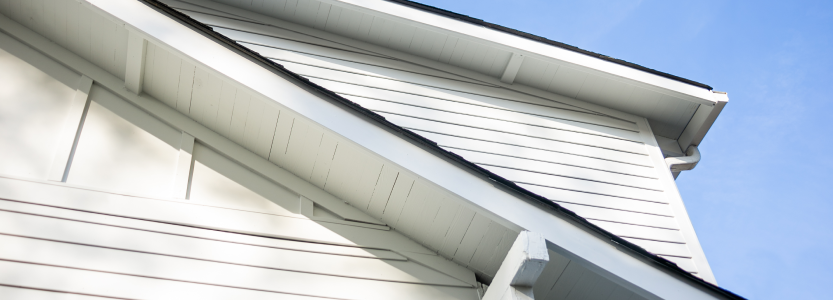
In summary, Hardie Board is considered the premium fiber-cement option, known for its strength, longevity, and weather resistance, though it typically comes with trade-offs in weight, installation complexity, and cost.
Cost Discussion
When comparing LP SmartSide vs. Hardie Board, cost is often part of the conversation. While both are considered premium siding options, their overall investment varies depending on the size of the project, local labor rates, and installation complexity.
In general, LP SmartSide tends to be more affordable upfront, largely because it’s lighter, easier to handle, and faster to install. James Hardie, made from fiber cement, is typically more labor-intensive, which can increase installation time and overall cost.
However, total value goes beyond the initial price. Homeowners often choose LP SmartSide for its balance of durability, curb appeal, and ease of installation, while Hardie Board is favored for its long-term performance, fire resistance, and minimal maintenance requirements.
Maintenance & Longevity
In Midwest climates, where homes face wide temperature swings, humidity, heavy rain, snow, and hail – siding performance over time is especially important.
- LP SmartSide: While wood-based, delivers excellent durability for the region thanks to its SmartGuard® technology, which protects against moisture and fungal decay. When properly installed and maintained, it performs reliably even through Midwest winters and humid summers.
- James Hardie: Fiber cement offers strong resistance to fire, rot, and insects, and typically requires less maintenance overall. Its composition makes it highly stable in areas with frequent freeze-thaw cycles and moisture exposure.
Both products benefit from simple upkeep – occasional washing to remove dirt or mildew, checking caulking and seams, and inspecting after major storms or hail. Hardie Board may reduce the frequency of maintenance, while LP SmartSide offers the advantage of easier repair or replacement if panels are ever damaged.
Warranty and Resale
- LP SmartSide: 50-year limited warranty (prorated after 5 years) is a strong feature.
- Hardie: 30-year non-prorated warranty in many cases (depending on product) is very good.
From a resale value perspective, both are good brands; Hardie perhaps has the stronger “premium brand” perception in many markets. But warranty is only as good as the installation; incorrect installation can void coverage.
Installation Process
- LP SmartSide: Lighter, cuts with standard wood tools, longer boards (fewer seams) = potentially faster install and fewer joint issues.
- Hardie: Heavier, more brittle, more waste risk, may need specialized fasteners/cutting tools, longer install time which can raise labor cost.
Also, installation details matter: LP allows a 1″ gap from roof line to siding; Hardie requires a 2″ gap to maintain warranty. These small details affect trim work and cost.
Quick Comparison: LP SmartSide vs James Hardie
| Category | LP SmartSide | James Hardie |
|---|---|---|
| Material | Engineered wood made from treated wood strands, resins, waxes, and zinc borate using LP’s SmartGuard® process for protection against moisture, rot, and termites. | Fiber cement blend of Portland cement, sand, cellulose fibers, and proprietary additives that deliver superior durability, fire resistance, and stability. |
| Design & Style Options | Available in lap, vertical, shake, and board-and-batten profiles with both smooth and cedar-grain textures. Offered prefinished in LP ExpertFinish® colors for faster installation and lasting color. | Wide range of profiles including lap, vertical, shake, and board-and-batten designs. Offered in smooth or cedar-grain textures and multiple factory-baked color options. |
| Durability & Performance | Engineered to handle harsh climates — resists warping, swelling, and decay while maintaining a real-wood look. | Exceptionally resistant to fire, moisture, and pests. Performs well in extreme temperature swings and freeze-thaw cycles. |
| Cost & Value | Typically, more affordable to install due to lighter weight and easier handling. Offers strong long-term value for homeowners balancing performance and aesthetics. | Generally higher initial cost because of heavier material and labor intensity but delivers premium performance and long-term durability with minimal maintenance. |
| Maintenance & Longevity | Requires periodic cleaning and inspection; easier to repair or replace individual panels. Lifespan typically ranges from 20–30 years with proper upkeep. | Very low maintenance once installed; only occasional cleaning is needed. The lifespan is commonly 40–50 years when properly installed and maintained. |
| Warranty | 5/50-year limited warranty – five years full coverage followed by prorated protection for the remaining term. | 30-year non-prorated limited warranty on many products; some trims and accessories covered 15 years. |
| Installation Process | Lighter and easier to cut with standard woodworking tools; longer boards reduce seams and speed up installation. | Heavier, more brittle, requires specialized tools and experienced installers; may take longer to complete. |
Final Thoughts
In the LP SmartSide Siding vs Hardie Board conversation, the two products serve similar purposes but occupy slightly different niches:
- LP SmartSide offers engineered wood with many advantages over traditional wood siding and provides a cleaner, less-seamed look that enhances curb appeal—all while offering lower cost and easier installation than fiber cement.
- James Hardie offers the premium fiber-cement option with greater durability and resistance but at higher cost and installation complexity.
If you find that LP SmartSide feels like the better fit for your home, Feldco proudly offers LP SmartSide siding in the Milwaukee area. Get a free quote from Milwaukee’s trusted LP SmartSide siding partner.


 866-4FELDCO