


Summary: A temporary roof patch keeps water out while you wait for a roofer to repair a leaking rooftop. Plastic sheeting, patching compound, roofing tape, tarps, makeshift shingles, and tar paper each suit a different hole size. The key word is temporary, since most of these hold for weeks rather than months.
.webp)
Common Causes of Roof Leaks Every Homeowner Should Know
Roof penetrations cause most leaks. Water rarely finds its way through a wide, uninterrupted field of shingles, even on an aging roof. Knowing how to fix a leaking roof starts with knowing which parts fail first.
The usual suspects:
- Cracked or rusted flashing around chimneys, dormers, and sidewalls
- Torn rubber boots (damaged plumbing vent flashing)
- Missing, curled, or wind-lifted shingles
- Clogged gutters that let water pool along the eaves
- Failed sealant around skylights and ice dams that back water up under the shingles
Heavy rain makes all of the above worse. Wind-driven rain moves sideways, slipping under shingle edges and around dormer trim, while downpours overwhelm gutters until water sits on the roof deck.
Tracking Down the Exact Source of a Roof Leak Indoors
The drip on your ceiling almost never sits directly under the hole. Water travels along rafters and decking before it finds a place to fall, so the opening is always uphill from the stain.
Start in the attic with a flashlight. Look for wet sheathing, damp insulation, dark streaks on rafters, or daylight through the boards, then follow the trail upward. Rusted nails and dark mold spots mark older water damage.
If the attic gives you nothing, run a garden hose. Have a helper watch from inside while you soak one small area at a time, working up the slope.
First Steps to Take the Moment Your Roof Starts Leaking
Protect the inside of your home before you think about the roof.
- Move furniture and electronics clear of the drip, then put a bucket underneath.
- Pierce any bulging spot in the ceiling with a screwdriver so trapped water drains into the bucket instead of collapsing the drywall.
- Cut power to the area if water sits near light fixtures or wiring.
- Photograph the damage for your insurance claim.
Then decide whether the roof is safe to climb. Stay off it in the wind, rain, ice, or after dark.
Temporary Roof Patch Methods That Buy You Time Fast
The best way to patch a leaking roof depends on the size of the opening, the weather, and how long you need the repair to last. Six methods provide practical solutions for nearly every situation. Each method provides a temporary fix while you wait for the professional repairs, and all of them work on a budget.
1. Plastic Sheeting: The Cheapest Quick Fix in the Garage
A hole in the roof means dripping water, and one cheap and easy quick fix is grabbing some plastic sheeting. Plastic sheets aren’t expensive, they’re available at your local hardware store, and there’s a good chance you already have this material lying around in your basement, attic, or garage.
Place the plastic sheeting over the hole and follow roof safety guidelines when you climb up there: wear sturdy boots, have a friend spot you, and never go up when conditions are unstable. Secure the sheeting with something heavy like bricks or other weighted objects. You can nail it down with wood strips if the hole is large, or for smaller openings, simply use duct tape.
2. Roof Patching: Compound for Small Holes and Openings
If you can’t get a professional out to your place for a while, DIY roof repair can act as a temporary patch. Plugging, or patching, is done by mixing water with a powder that’s chemically similar to cement, then pouring it into the exposed opening. You can pick up this product at any large home improvement store.
The mixture dries to a solid, which in turn stops water from leaking through the opening and helps repair the hole. While this seems like a thorough patch job, it doesn’t last forever.
3. Roofing Tape: How to Fix a Leak in Roof from Inside
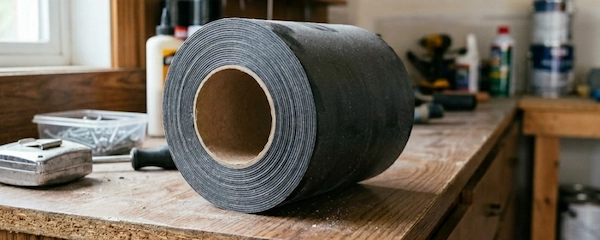
Similar to patching, you can use a product known as roofing tape to fix gaps or openings. Roofing tape gives you a way to patch a roof leak from inside your attic, which helps if the roof is too dangerous to climb. The tape goes onto the roof’s decking and it will keep water out but not totally prevent it from entering the inside of your home.
There are other adhesive options designed for smaller leaks, but be wary of what season you’re working in. Some tapes and adhesive patches have temperature ranges that limit what type of weather you can use them in.
4. Tarps: The Best Way to Cover a Hole in a Shingle Roof
If you’ve ever painted or needed to protect furniture, you probably have a tarp or two lying around your house. Securing a tarp over an unwanted opening is an easy, inexpensive quick fix that stops water from seeping into your home.
Simply smooth the tarp over the entire area that’s leaking, creating a taut surface. Use the tarp to cover the hole and extend well beyond the damaged area. Nail down the edges, or tie the tarp down or use duct tape, so it’s secure and won’t be blown off by a strong gust of wind. If there’s a lot of water pouring in, you may need to layer the tarps for extra protection.
A flat roof or built-up roof takes the same treatment with one change: run the tarp well past the low spot where water pools, since a level surface gives runoff nowhere to go.
5. DIY Shingles Cut from Sheet Metal or Scrap Materials
You can make your own shingles if you need to fix a hole in the roof before a contractor arrives. If you have copper, sheet metal, or another strong material that can serve as a makeshift shingle, cut it to the size and shape of the hole. It doesn’t have to be perfect. It just has to get you by until a roofing professional can do the real deal.
This is a good solution when you’re facing severe weather before a contractor can come out to fix missing shingles or an opening in your roof.
6. Tar Paper and Roofing Felt for a Longer-Lasting Patch
If plastic sheeting or tarps won’t cut it, then you can always do a more involved DIY patch job with tar paper and roofing felt. It’s a good idea to keep some plastic roofing cement on hand for these roofing emergencies. This roofing cement can be applied to tar paper with a trowel, putty knife, or a caulk gun.
You can layer up the tar paper, alternating between the tar paper and the spread of cement. Adding roofing felt makes for another layer of protection between the shingles and roof decking when you need a more durable temporary solution to keep water out.
When to Call a Pro and Get a Free Roof Replacement Quote
Every fix above is a stopgap. The permanent repair sits at a roof penetration, making roof leakage repair more complicated than it looks. Some repairs are best left to a professional. Fixing step flashing can require removing shingles and siding, while a damaged roof deck may need new framing and plywood. Slate, tile, and metal roofs also require specialized knowledge and experience. In general, a professional would best be equipped to help with your leaky roof repair.
Replacing your roof can be an expensive, albeit necessary project. That’s why it’s important to choose a trusted contractor. At Feldco, we provide a breakthrough design and triple layer protection to keep your roof healthy for what mother nature decides to throw at it. As the Midwest’s number one home exterior company since 1976, Feldco has served over 500,000 homeowners across Illinois, Wisconsin, Indiana, Iowa, and Michigan. Speak to a product specialist and get a free quote online today.
FAQs
Should I Use Roofing Sealant or a Roof Patch Kit for Small Leaks?
Sealant handles pinholes and exposed nail heads, while a patch kit covers anything larger than a coin. Neither one counts as a permanent repair.
How Much Does Professional Roof Leak Repair Cost vs DIY?
A DIY patch runs roughly $20 to $100 in materials, while professional leaky roof repair usually starts in the low hundreds. Roof type and determine the rest.
Why Is My Roof Leaking After I Replaced the Shingles?
New shingles don’t fix old flashing, worn vent boots, or a damaged deck, and those cause most leaks. Improper nailing during installation is the other common culprit.
What Happens If You Leave a Roof Leak Unrepaired for Months?
Water rots the sheathing and rafters, ruins insulation, and feeds mold, turning a cheap patch into a framing job. Saturated drywall eventually sags and drops.
Can You Patch a Leaking Roof in the Rain or in Winter?
Working on a wet or icy roof is dangerous, so handle it from inside with tape or with a tarp. Most adhesives also refuse to bond below their rated temperature.


 866-4FELDCO