
Are Glass Block Windows Worth It? Why You Should Avoid Them

Glass block windows were common in older buildings. They have a look that is now considered out of style. However, some modern builders are bringing them back in new homes but there is a lot to consider before using them.
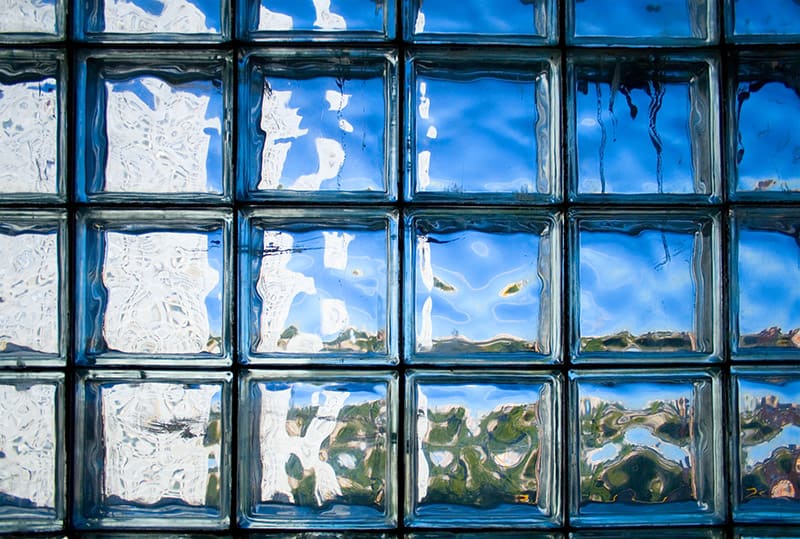

Glass Block Windows

What Are Glass Block Windows?

Glass block windows are made from thick, hollow glass blocks sealed together with mortar or silicone to form a solid, translucent window or wall. They allow natural light to pass through while maintaining privacy, but offer limited visibility and design flexibility.

Glass block windows became popular in the early 1900s. They were a strong and insulating way to bring natural light into factories. We still use them today: not only for windows, but also for walls, showers, and skylights.

However, frosted and decorative glass windows can do the same thing without making your home look outdated. They basically make glass block windows obsolete.

Design Limitations and Style Concerns

Glass block windows offer limited design flexibility. They are typically made in square or rectangular grids and come in a few styles – clear for maximum light or textured (ice, diamond, frosted, and other patterns) for privacy. Despite these variations, their rigid structure and bulky appearance often clash with modern design preferences.

They are most often used in bathrooms, basements, stairwells, and entryways where privacy and light are desired. However, frosted or decorative glass provides the same benefits with better efficiency and style.

Most architects and designers now consider glass block windows out of style. Their thick, reflective surface can make interiors feel heavy, and many homeowners think glass blocks aren't still in style compared to lighter, more adaptable materials.

Energy Efficiency and Comfort Concerns

Here are a few reasons why you should avoid glass block windows and to help you understand the disadvantages of glass blocks or glass bricks.

Although people once considered glass block windows a functional solution for privacy and light, they lack energy efficiency. Their thick single-layer construction provides minimal insulation compared to modern double or triple pane windows. This lets heat escape in winter and traps heat in summer. As a result, you may see your energy bills rise and your home to feel less comfortable.

Glass Block Windows Are Tough to Construct and Maintain

Glass block windows aren't a fit for a beginner or for your average DIY project. They must be carefully planned and measured out, and the blocks must be cut to size. The process is fairly similar to bricklaying, which is a learned skill best performed by a professional.

If the blocks are not laid and sealed correctly, you may damage the windows and other parts of your house. This is due to possible water leakage. It's possible to find pre-laid sections of glass block, but they're extremely heavy and will require at least one other person to help you lift them.

Glass block walls are often touted for their strength, but this can be misleading. Their thickness and durability have tricked some homeowners into thinking they can bear more weight than they really can.

Glass block windows should never be used in any structural or load-bearing capacity. They might not break right away, but over time they will start to crack. This is a safety risk and can create a costly mess to clean up.

Additionally, these windows are quite heavy, so you would also need to inspect the floor under the area, and possibly add support boards underneath. The weight of a glass block wall or large window could cause the floor to sink, warp or even collapse.

Can You See Through Glass Block Windows?

Glass block windows are commonly used as a solution to privacy in home design – especially in bathrooms or showers, where you need to have adequate privacy.

Many people think that the cloudy or frosted look of a glass brick will block the view. However, after spending time and money on installation, you may not get the privacy you expected.
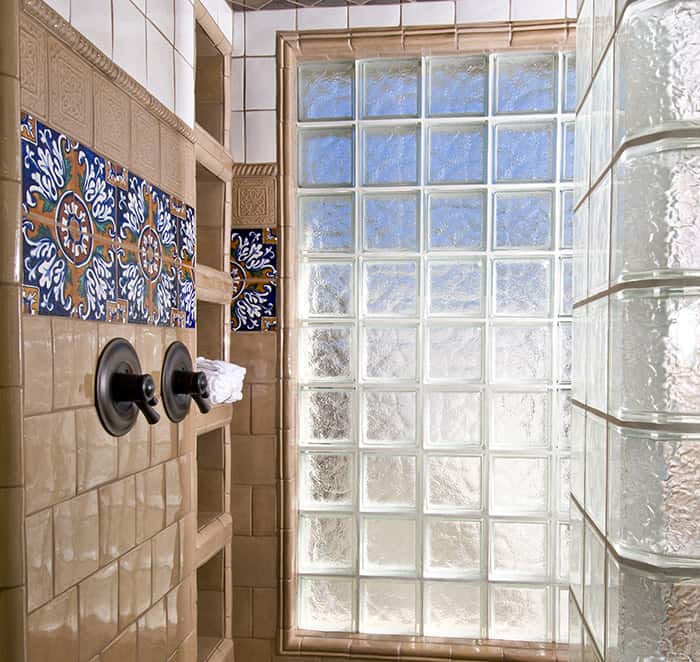

Glass Block

An onlooker may not see every detail closely, but privacy concerns still exist. This helps ensure that any details intended to remain private do just that, remain private.

In short, you can see through glass block windows at night more than you might expect, making them a poor privacy choice.

Glass Block Windows Don't Allow Ventilation

Ventilation is important in any home. We enjoy fresh air for a nice atmosphere. It is also essential for our health.

We need to be able to open the windows when someone is ill, when we're cleaning something with harsh chemicals or doing a home project such as painting or varnishing. Otherwise, the fumes could be dangerous to our health.

Being able to open the windows in any given room also helps us save money – if we can't let in a little air when the weather changes, we'll have to turn on our furnace or air conditioner more frequently. This will end up costing you more on your energy bills each month.

Glass Block Windows Are Expensive

They are heavy and the process used to create them is expensive, so they can be a costly addition to your home when compared with the standard alternatives.

Even for a tiny basement window constructed from glass block, it would cost at least $175. A single glass block would cost approximately $15, with specialty blocks such as frosted or colored blocks running up to $50.

Additionally, you'd need to secure help for installation and have them re-sealed every so often to prevent water from seeping through. Overall, glass block windows are expensive and outdated when compared to modern window options.

Are Glass Block Windows Energy Efficient?

While glass block windows may provide some insulation, they are not nearly as efficient as double- or triple-pane windows with proper sealing. Glass blocks transfer heat easily, leading to poor temperature regulation and higher energy costs.

Glass Block Windows Are Unsuitable for Warm Climates

If you live in an area where the summers are very hot, such as the Midwest, you may wish to reconsider putting glass block windows in your home. Glass blocks absorb and transfer heat exceptionally well, turning your room into a greenhouse.

You'll spend more money and energy on air conditioning to offset these effects, which are more pronounced in small areas such as bathrooms. Many homeowners have complained about their bathrooms developing stifling heat during the day after installing glass block windows.

If replacing your glass block windows isn't in your immediate plans, here are some helpful ways you can help combat energy drains in the home right away:

  • Improve your thermostat to a smart thermostat and create schedules to use less energy
  • Replace any air filters
  • Check for leaks in the bathroom - toilet, sink and shower areas
  • Check your home's insulation
  • Make sure you're using the best utility service available to you

Better Alternatives to Glass Block Windows

If you're looking for privacy, durability, and style without the outdated look of glass block windows, you're in luck – modern alternatives offer all the benefits without the drawbacks. These options not only provide better ventilation and energy efficiency, but they also enhance the overall design of your home.

Here are a few stylish and functional alternative to glass bricks to consider:

  • Frosted glass windows for privacy with a modern aesthetic
  • Textured or patterned glass panes that allow light while obscuring visibility
  • Decorative window film for affordable customization and easy updates
  • Privacy blinds or shades integrated into the window design
  • Operable awning or casement windows that combine airflow with privacy

Things to Consider About Glass Block Windows

So, should glass block windows remain in the past? Some designers think that they can be used to great effect in modern designs and improve the look and value of a home and we disagree.

If you are considering working with this material, you may want to second guess that. Other window styles and accessories offer the same features as glass brick windows without the outdated look.

If you do have glass block windows and want to replace them with something better and more beautiful, look no further than Feldco for the best replacement windows in the Midwest.

With over 400,000 happy customers, we know what it takes to improve your home's energy efficiency and curb appeal. Get started today with a free quote online and see why so many homeowners trust us.

Get started with a FREE QUOTE


Get a free, no-obligation quote by filling out the form below.

Enter your full name
Enter your email
Enter your phone number
Enter your zip code
If you have a promo code, enter it here


*View our privacy policy


Or call us at 1-866-4FELDCO
or visit one of our locations


Privacy Policy
Promotional Details
Terms of Use
SMS Terms & Conditions

Copyright © 2025 Feldco


NARI Partner Logo
Dealer of the Year
Lead Safe Certified Firm
OSI Certified Installer
Home Advisor Approved
Energy Star
Owens Corning Platinum Contractor

Are Glass Block Windows Worth It? Why You Should Avoid Them

Glass block windows were common in older buildings. They have a look that is now considered out of style. However, some modern builders are bringing them back in new homes but there is a lot to consider before using them.


Glass Block Windows

What Are Glass Block Windows?

Glass block windows are made from thick, hollow glass blocks sealed together with mortar or silicone to form a solid, translucent window or wall. They allow natural light to pass through while maintaining privacy, but offer limited visibility and design flexibility.

Glass block windows became popular in the early 1900s. They were a strong and insulating way to bring natural light into factories. We still use them today: not only for windows, but also for walls, showers, and skylights.

However, frosted and decorative glass windows can do the same thing without making your home look outdated. They basically make glass block windows obsolete.

Design Limitations and Style Concerns

Glass block windows offer limited design flexibility. They are typically made in square or rectangular grids and come in a few styles – clear for maximum light or textured (ice, diamond, frosted, and other patterns) for privacy. Despite these variations, their rigid structure and bulky appearance often clash with modern design preferences.

They are most often used in bathrooms, basements, stairwells, and entryways where privacy and light are desired. However, frosted or decorative glass provides the same benefits with better efficiency and style.

Most architects and designers now consider glass block windows out of style. Their thick, reflective surface can make interiors feel heavy, and many homeowners think glass blocks aren't still in style compared to lighter, more adaptable materials.

Energy Efficiency and Comfort Concerns

Here are a few reasons why you should avoid glass block windows and to help you understand the disadvantages of glass blocks or glass bricks.

Although people once considered glass block windows a functional solution for privacy and light, they lack energy efficiency. Their thick single-layer construction provides minimal insulation compared to modern double or triple pane windows. This lets heat escape in winter and traps heat in summer. As a result, you may see your energy bills rise and your home to feel less comfortable.

Glass Block Windows Are Tough to Construct and Maintain

Glass block windows aren't a fit for a beginner or for your average DIY project. They must be carefully planned and measured out, and the blocks must be cut to size. The process is fairly similar to bricklaying, which is a learned skill best performed by a professional.

If the blocks are not laid and sealed correctly, you may damage the windows and other parts of your house. This is due to possible water leakage. It's possible to find pre-laid sections of glass block, but they're extremely heavy and will require at least one other person to help you lift them.

Glass block walls are often touted for their strength, but this can be misleading. Their thickness and durability have tricked some homeowners into thinking they can bear more weight than they really can.

Glass block windows should never be used in any structural or load-bearing capacity. They might not break right away, but over time they will start to crack. This is a safety risk and can create a costly mess to clean up.

Additionally, these windows are quite heavy, so you would also need to inspect the floor under the area, and possibly add support boards underneath. The weight of a glass block wall or large window could cause the floor to sink, warp or even collapse.

Can You See Through Glass Block Windows?

Glass block windows are commonly used as a solution to privacy in home design – especially in bathrooms or showers, where you need to have adequate privacy.

Many people think that the cloudy or frosted look of a glass brick will block the view. However, after spending time and money on installation, you may not get the privacy you expected.


Glass Block

An onlooker may not see every detail closely, but privacy concerns still exist. This helps ensure that any details intended to remain private do just that, remain private.

In short, you can see through glass block windows at night more than you might expect, making them a poor privacy choice.

Glass Block Windows Don't Allow Ventilation

Ventilation is important in any home. We enjoy fresh air for a nice atmosphere. It is also essential for our health.

We need to be able to open the windows when someone is ill, when we're cleaning something with harsh chemicals or doing a home project such as painting or varnishing. Otherwise, the fumes could be dangerous to our health.

Being able to open the windows in any given room also helps us save money – if we can't let in a little air when the weather changes, we'll have to turn on our furnace or air conditioner more frequently. This will end up costing you more on your energy bills each month.

Glass Block Windows Are Expensive

They are heavy and the process used to create them is expensive, so they can be a costly addition to your home when compared with the standard alternatives.

Even for a tiny basement window constructed from glass block, it would cost at least $175. A single glass block would cost approximately $15, with specialty blocks such as frosted or colored blocks running up to $50.

Additionally, you'd need to secure help for installation and have them re-sealed every so often to prevent water from seeping through. Overall, glass block windows are expensive and outdated when compared to modern window options.

Are Glass Block Windows Energy Efficient?

While glass block windows may provide some insulation, they are not nearly as efficient as double- or triple-pane windows with proper sealing. Glass blocks transfer heat easily, leading to poor temperature regulation and higher energy costs.

Glass Block Windows Are Unsuitable for Warm Climates

If you live in an area where the summers are very hot, such as the Midwest, you may wish to reconsider putting glass block windows in your home. Glass blocks absorb and transfer heat exceptionally well, turning your room into a greenhouse.

You'll spend more money and energy on air conditioning to offset these effects, which are more pronounced in small areas such as bathrooms. Many homeowners have complained about their bathrooms developing stifling heat during the day after installing glass block windows.

If replacing your glass block windows isn't in your immediate plans, here are some helpful ways you can help combat energy drains in the home right away:

  • Improve your thermostat to a smart thermostat and create schedules to use less energy
  • Replace any air filters
  • Check for leaks in the bathroom - toilet, sink and shower areas
  • Check your home's insulation
  • Make sure you're using the best utility service available to you

Better Alternatives to Glass Block Windows

If you're looking for privacy, durability, and style without the outdated look of glass block windows, you're in luck – modern alternatives offer all the benefits without the drawbacks. These options not only provide better ventilation and energy efficiency, but they also enhance the overall design of your home.

Here are a few stylish and functional alternative to glass bricks to consider:

  • Frosted glass windows for privacy with a modern aesthetic
  • Textured or patterned glass panes that allow light while obscuring visibility
  • Decorative window film for affordable customization and easy updates
  • Privacy blinds or shades integrated into the window design
  • Operable awning or casement windows that combine airflow with privacy

Things to Consider About Glass Block Windows

So, should glass block windows remain in the past? Some designers think that they can be used to great effect in modern designs and improve the look and value of a home and we disagree.

If you are considering working with this material, you may want to second guess that. Other window styles and accessories offer the same features as glass brick windows without the outdated look.

If you do have glass block windows and want to replace them with something better and more beautiful, look no further than Feldco for the best replacement windows in the Midwest.

With over 400,000 happy customers, we know what it takes to improve your home's energy efficiency and curb appeal. Get started today with a free quote online and see why so many homeowners trust us.

Get started with a FREE QUOTE


Get a free, no-obligation quote by filling out the form below.

Enter your full name
Enter your email
Enter your phone number
Enter your zip code
If you have a promo code, enter it here


*View our privacy policy


Or call us at 1-866-4FELDCO
or visit one of our locations


Privacy Policy
Promotional Details
Terms of Use
SMS Terms & Conditions

Copyright © 2025 Feldco

NARI Partner Logo Dealer of the Year Lead Safe Certified Firm OSI Certified Installer Home Advisor Approved Energy Star Owens Corning Platinum Contractor
An unhandled error has occurred. Reload 🗙