


Summary: An exterior Dutch door splits horizontally into two leaves that open independently, so the top swings open for air while the bottom stays latched. Homeowners choose them for ventilation, pet control, and curb appeal, though upkeep runs higher.
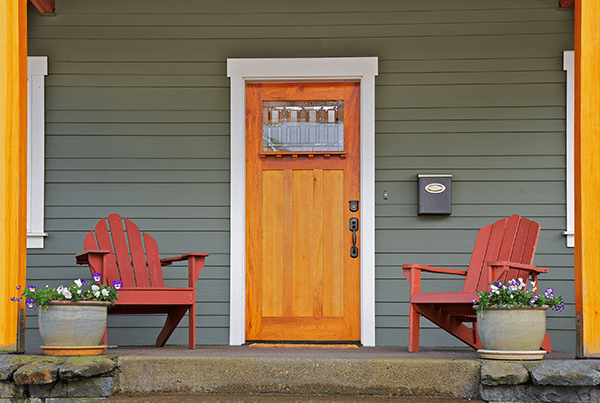
What a Dutch Door Is and How the Split Design Works
An exterior Dutch door is one door cut horizontally into two leaves on separate hinges, split near waist height. Open the top, close the bottom, and you get a window-sized opening with a solid barrier below. A Dutch door bolt joins both halves, so the unit works like a normal entry.
What are half doors called? The vocabulary is loose: split door, half door, double hung door. Listings for double-hung doors often mean nothing more than a door that opens top and bottom, so confirm exactly what you're getting when you shop for split doors with top-and-bottom openings.
The Dutch Origins Behind This Centuries-Old Split Door
The style traces to 17th-century Netherlands, where glass cost a fortune and farmhouses stayed dark. Farmers opened the top leaf for daylight while the bottom kept livestock out. Settlers brought it to New York and New Jersey, and Irish cottages built a cousin called the half-door.
The Main Benefits of a Dutch Door in a Busy Household
The point of a Dutch door is control: you decide how much of the opening stays open.
- Airflow without a wide-open house, since the top acts as a window.
- A built-in baby gate for toddlers and pets, minus the plastic barrier.
- Easier deliveries, so you can sign for a package without full entry.
- Natural light from a glass Dutch door top.
- Curb appeal, since a front Dutch door suits an old farmhouse or a modern build.
Popular Spots for a Dutch Door Inside and Outside the Home
A front Dutch door draws the most attention, though the split design earns its keep elsewhere. An interior Dutch door suits a kitchen doorway, mudroom, or nursery, where you want sight lines and airflow.
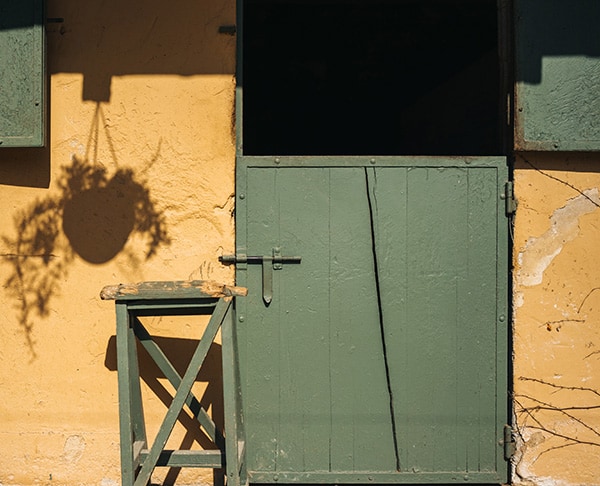
Dutch Door Materials, Glass, and Other Door Options
Wood dominates because a two-piece slab needs internal rigidity, though fiberglass Dutch door models handle Midwest weather well. Glass in the upper leaf runs from one clear pane for a contemporary look to divided lites for a traditional one. Prehung units install faster.
If the split design isn't the right fit, exterior door options run from carved and paneled to windowed. Fiberglass doors insulate well, storm doors add a protective layer, and a sliding door opens up a patio wall.
| Wood | Fiberglass | Steel | |
|---|---|---|---|
| Durability | Strong and long-lived, but vulnerable to warping, moisture, and insects. | Hardy. Resists denting, rot, and seasonal movement. | The toughest of the three, though dents are hard to repair. |
| Insulation | Naturally insulating, especially dense tropical species. | Best of the three. Insulated cores hold their R-value. | Weakest. The metal reacts with outside air and transfers temperature. |
| Maintenance | Highest. Plan on restaining every couple of years. | Low. Occasional cleaning is usually enough. | Low, but scratches need touch-up before rust starts. |
| Fit for a two-piece slab | Best choice. Solid wood gives two independent leaves the internal rigidity they need. | Workable. Fewer Dutch door models, but they hold up well in Midwest weather. | Least common. Limited availability in a split configuration. |
The Disadvantages of Dutch Doors Worth Weighing Before You Buy
Two leaves mean two sets of hinges, two locks, and two chances for something to stick.
Air sealing is the biggest drawback. A Dutch door adds a horizontal joint across the opening, and that meeting rail is the hardest part to seal. Seasonal warping opens gaps along the center rail through an Illinois winter, and you end up heating the yard.
Insects get in whenever the top swings open, and fitting a Dutch door with screen coverage is awkward: a full-height storm door defeats the design.
Cost runs high too: two leaves, two hinge sets, a Dutch bolt, and often a custom order. Wood needs restraining every couple of years, and letting the finish go is how the warping starts.
Ready for a New Front Door Built for Midwest Weather
Feldco has replaced more than 100,000 doors for homeowners across Illinois, Wisconsin, Indiana, Iowa, and Michigan. While we don't offer Dutch doors, we have many other options better suited to the Midwest's climate. Every door is professionally installed by certified, factory-trained installers who know what 50 years of Midwest seasons do to an entryway. Get a free quote and start your door replacement today.
FAQs
Can a Regular Door Be Converted Into a Dutch Door?
A solid-core slab can be cut in half and fitted with fresh hinges and a Dutch bolt.
Do Dutch Doors Keep Toddlers and Pets Safely Contained?
The lower leaf blocks small children and most dogs, though cats and tall breeds can still clear it.
Is a Dutch Door Secure When the Top Half Stays Open?
A latched Dutch bolt makes the closed door as secure as a standard entry, so treat an open top like an open window.
Can You Add a Screen to a Dutch Door for Ventilation?
Most homeowners pair one with a full-height screen door or a retractable screen on the upper leaf.


 866-4FELDCO